YSRCP government’s inefficiency has led to rise in power tariffs, says BC Welfare Minister Savitha
The Hindu
Andhra Pradesh BC Welfare Minister blames Y.S. Jagan Mohan Reddy for power tariff increase and corruption, challenges for debate.
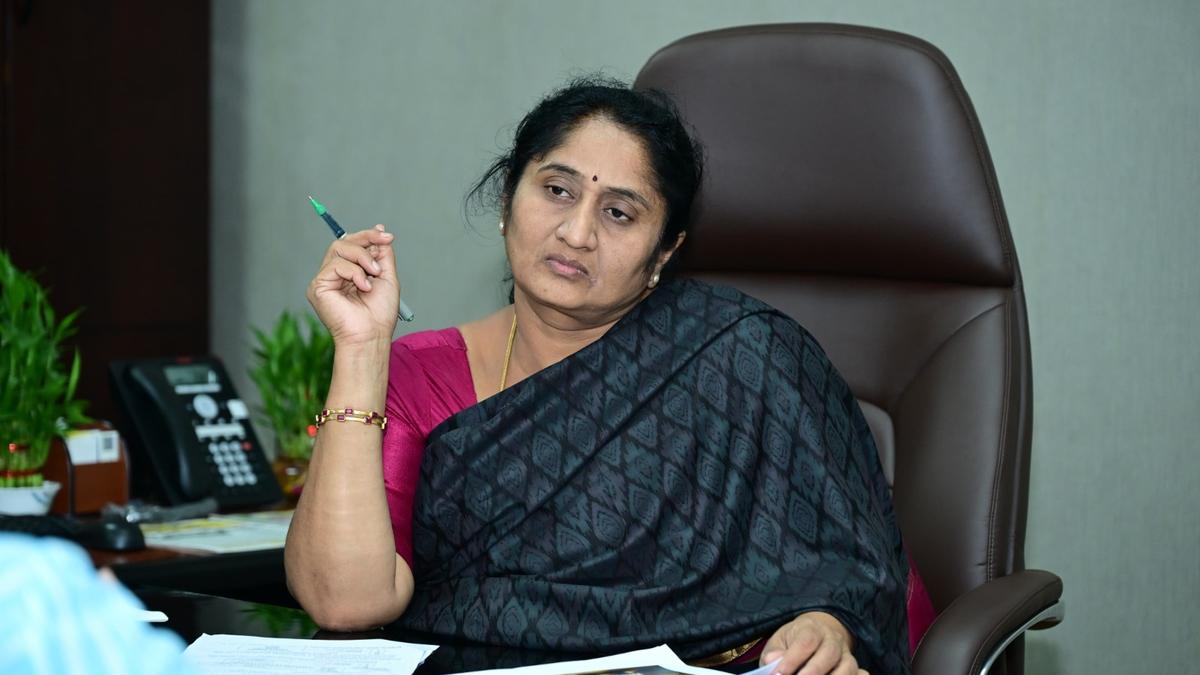
Andhra Pradesh BC Welfare Minister S. Savitha has blamed former Chief Minister Y.S. Jagan Mohan Reddy for the increase in power tariffs, and has accusing the YSRCP administration of corruption and inefficiency.
Addressing the media at the Secretariat here on Friday, Ms. Savitha alleged that Mr. Jagan Mohan Reddy’s mismanagement led to burdening of the public to the tune of ₹17,000 crore.
Daring Mr. Jagan Mohan Reddy to come for a public debate on the issue, Ms. Savitha said the agreements made during his tenure led to the tariff hike.
Alleging that the Electricity Regulatory Commission (ERC) had been instructed by the YSRCP government to raise the tariffs after the elections, she said during Mr. Jagan Mohan Reddy’s five-year tenure, the tariffs were increased nine times. This further burdened the people and the power utilities to the extent of ₹1.29 lakh crore, she added.
In contrast, during 2014-19, when the TDP was in power, Andhra Pradesh was a power-surplus State, and there was no increase in tariffs either, she said. Criticising the former Chief Minister of allowing the fixing of meters to agricultural pumpsets, she said Chief Minister N. Chandrababu Naidu halted such measures immediately after assuming office.
Reacting to YSRCP’s protests over power charges, Ms. Savitha said Mr. Jagan Mohan Reddy’s efforts to gain politically would fall flat.
Stating that the NDA government had taken up welfare schemes, improved infrastructure, and repealed laws detrimental to people, she said, “People are aware of the development being witnessed under Mr. Naidu’s leadership. They will no longer trust Mr. Jagan Mohan Reddy’s false claims.”


The government plans to amend the FCRA, introducing new regulations for NGO asset management and accountability for key functionaries.

The draft policy for “Responsible Digital Use Among Students”, released on Monday by the Department of Health and Family Welfare, has recommended that parents set structured routines with clear screen-time rules and prioritise privacy, safety, and open conversation with children on digital well-being.

Police Observer Sushant Kumar Saxena conducts surprise inspection at Shencottai police station, reviewing warrants and security arrangements ahead of elections.

Andhra Pradesh government to launch key projects in April, focusing on industrial growth and infrastructure development, says Nara Lokesh.

Lok Sabha refers the Corporate Laws (Amendment) Bill to a JPC amid opposition concerns over CSR provisions dilution.

SHG members in Kanniyakumari use snakes and ladders to raise election awareness and boost voter turnout.

Government accelerates consultations for early implementation of the Women’s Reservation Act to ensure women’s representation in 2029 elections.

CM A. Revanth Reddy distributes ₹1 crore insurance cheques to families of deceased Electricity department employees, enhancing financial security for workers.

The Bengaluru Traffic Police (BTP) registered 634 cases of drunk driving during a week-long special enforcement drive conducted across the city between March 16 and March 22.

GHMC intensifies action against property tax defaulters, seizing properties and offering a One Time Settlement scheme for payments.

CCB arrests three drug peddlers in Mangaluru, seizing ₹2.5 lakh worth of MDMA and other valuables.

TVK's 28 candidates in Puducherry include former BJP MLAs, a sitting Independent, and a retired police IG.

BRS submits notice on private member bill to Speaker