From disease-specific to person-centred care Premium
The Hindu
By using TB as an entry point, integrated healthcare delivery can optimise and improve public health efficiency
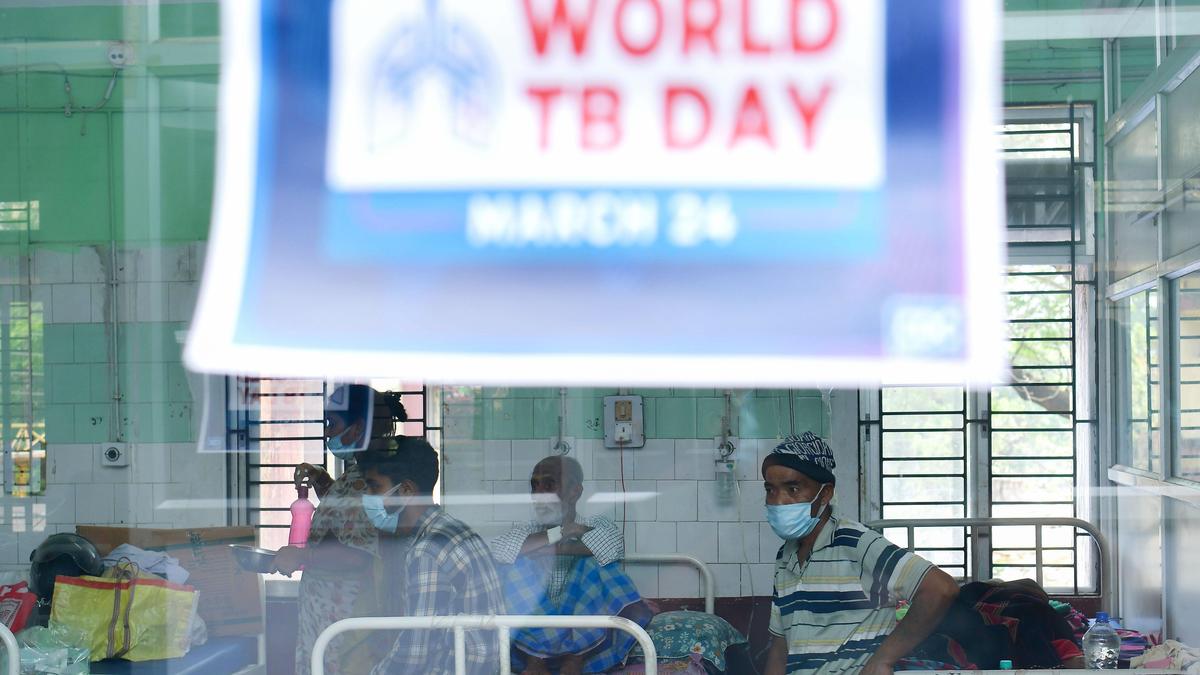
Tuberculosis (TB) rarely presents as a standalone disease in an individual. Many people with TB have other comorbidities or disease conditions that they must simultaneously cope with, while being on treatment for TB. Therefore, treating TB alone is not enough. Adopting integrated care approaches by transitioning from disease-specific to person-centred care can accelerate India’s efforts to achieve both universal health coverage and TB elimination. Simply put, we must treat the person and not the disease.
Take the example of Divya (name changed), a 48-year-old woman who was diagnosed with TB in 2023. She had been living with diabetes and hypertension for several years and it is highly likely that her diabetes played a role in her contracting TB. Crucially, she had poor glycemic control with a HbA1c over 10, which had a direct impact on her treatment for TB.
Infectious diseases like TB; non-communicable diseases such as diabetes and chronic respiratory diseases; malnutrition; and social and economic vulnerabilities inevitably intersect in individuals and families, adversely impacting outcomes and the overall quality of life. Recognising the interconnected nature of these multiple vulnerabilities is the first step towards delivering integrated care.
As in the case of Divya, an important opportunity for integration is between TB and diabetes, given India’s growing diabetes burden. Over 15 years ago, the National TB Elimination Programme (NTEP) identified diabetes as a key comorbidity for TB, and rolled out formal bidirectional screening guidelines for TB-diabetes. Every person with TB must be screened for diabetes and people with diabetes must ideally be screened for TB once a year. Studies have shown that people with diabetes are more likely to develop active TB disease than those without; equally, people with TB who also have diabetes are more likely to have poor TB treatment outcomes.
In Chennai, in a cohort of over 9,000 people with TB for three years, the authors found that over one-third (34%) had diabetes, and of this group, 41% had poor glycemic control which is the biggest challenge. Monitoring the blood sugar levels of a person with TB and diabetes throughout the TB treatment period is therefore essential, as is expanding clinical management and the counselling that is provided from TB-specific guidance to also focus on overall lifestyle, physical activity, diet and nutrition etc.
Another important opportunity for integration is at the intersection of TB and Chronic Respiratory Diseases (CRD) such as asthma or Chronic Obstructive Pulmonary Disease (COPD), at the screening stage itself. Only a fraction of people with respiratory symptoms are eventually diagnosed with TB — the rest are likely to have viral flu, bronchitis, asthma etc. In REACH’s ongoing TB-CRD integrated care pilot in two districts each of Bihar and Tamil Nadu, nearly 3,000 people with COPD and asthma were identified and linked to care, among the 26,000 people who were screened for TB but found TB-negative. In addition, integrated care can also change the course of post-treatment follow-up, given that many people who complete TB treatment continue to have respiratory impairments.


The government plans to amend the FCRA, introducing new regulations for NGO asset management and accountability for key functionaries.

The draft policy for “Responsible Digital Use Among Students”, released on Monday by the Department of Health and Family Welfare, has recommended that parents set structured routines with clear screen-time rules and prioritise privacy, safety, and open conversation with children on digital well-being.

Police Observer Sushant Kumar Saxena conducts surprise inspection at Shencottai police station, reviewing warrants and security arrangements ahead of elections.

Andhra Pradesh government to launch key projects in April, focusing on industrial growth and infrastructure development, says Nara Lokesh.

Lok Sabha refers the Corporate Laws (Amendment) Bill to a JPC amid opposition concerns over CSR provisions dilution.

SHG members in Kanniyakumari use snakes and ladders to raise election awareness and boost voter turnout.

Government accelerates consultations for early implementation of the Women’s Reservation Act to ensure women’s representation in 2029 elections.

CM A. Revanth Reddy distributes ₹1 crore insurance cheques to families of deceased Electricity department employees, enhancing financial security for workers.

The Bengaluru Traffic Police (BTP) registered 634 cases of drunk driving during a week-long special enforcement drive conducted across the city between March 16 and March 22.

GHMC intensifies action against property tax defaulters, seizing properties and offering a One Time Settlement scheme for payments.

CCB arrests three drug peddlers in Mangaluru, seizing ₹2.5 lakh worth of MDMA and other valuables.

TVK's 28 candidates in Puducherry include former BJP MLAs, a sitting Independent, and a retired police IG.

BRS submits notice on private member bill to Speaker