The need to integrate nutrition in TB care Premium
The Hindu
For most patients with TB who are severely underweight, nutritional support is an essential and not optional part of treatment
In 2026, India still has the highest number of new cases of Tuberculosis (TB) globally and a decreasing but still unacceptable number of about three lakh deaths due to TB. Almost 10% of successfully treated patients have recurrence within two years. An answer to all these challenges may partly lie in addressing a leading cause and consequence of TB in India, which is undernutrition, closely related to poverty, food insecurity and a predominantly cereal-based diet with deficient protein intake.
On the occasion of World TB Day, evidence from the Reducing Activation of Tuberculosis by Improvement Of Nutritional Status (RATIONS) trial could offer insight into the importance of nutritional interventions. RATIONS was done in Jharkhand with support from the Indian Council of Medical Research and was the first such trial of a food-based intervention. It aimed at reducing new TB cases in TB-affected families, and improving treatment outcomes for patients with TB.
Ramlal, a 19-year-old tribal boy in the trial, weighed only 26 kg and was almost bed-bound at the time of his diagnosis of lung TB. Along with TB drugs, he received a monthly food basket. Over the next few weeks, he started walking and could cycle to work at the end of the treatment, weighing 42 kg. Laxmi, weighing 34 kg, had TB two years ago and had stopped medication after she developed jaundice within two weeks of starting anti-TB drugs. Now, as a result of the trial, she could adhere to the medications and also breastfeed her four-month-old.
Undernutrition, especially severe undernutrition, is common in patients in India. It is a major reversible risk factor for death, drug toxicity, and recurrence after successful treatment. For most patients with TB who are severely underweight, nutritional support is an essential and not optional part of treatment. Poor families are food-insecure and become even more so due to the disease. In the RATIONS trial, a monthly 10 kg food basket of cereals, pulses, milk powder, and oil led to a weight gain of almost 4.5 kg in patients. Even a 5% weight gain in the first two months was protective against death, reducing the risk by more than 60%.
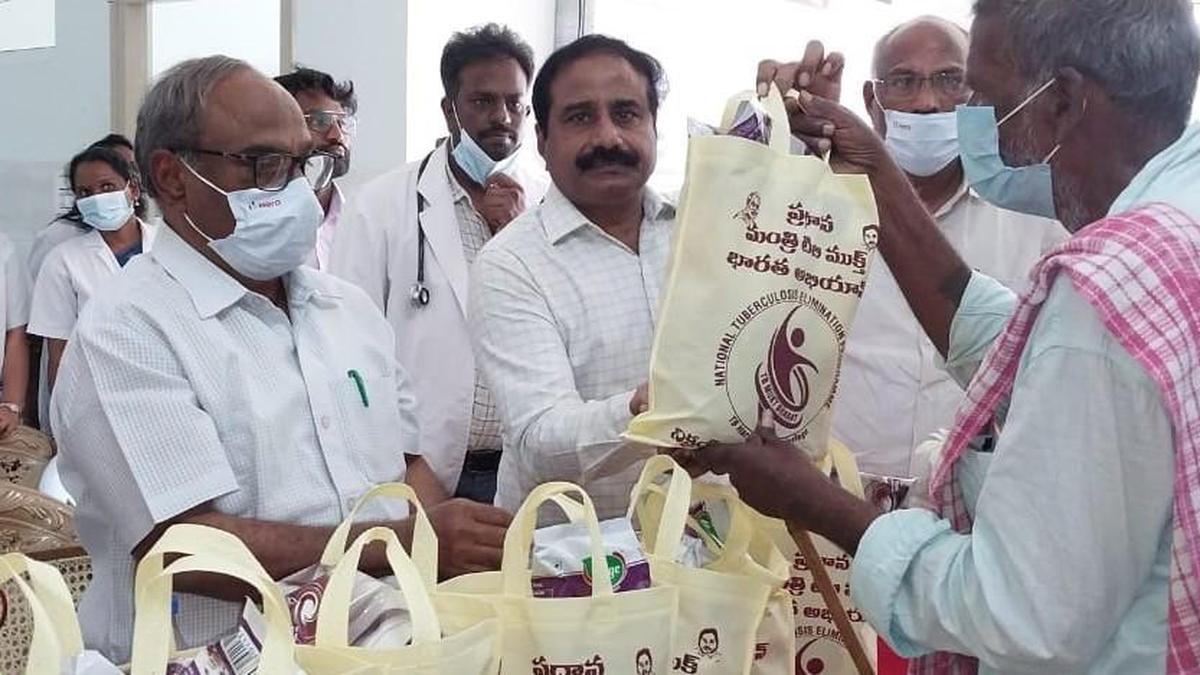
In India, the National TB Elimination Programme’s (NTEP) initiatives in addressing undernutrition in TB care are welcome. For example, the monthly direct benefit transfer under the Ni-Kshay Poshan Yojana increased from ₹500 to ₹1,000 and similarly the Ni-Kshay Mitra Yojana, although not universal, provides in-kind support to patients with TB. However, the plan to introduce energy-dense nutrition supplements for two months to underweight patients with TB needs to be considered with caution, given higher expenses, and the mystification of an adequate balanced diet apart from the risk of monotony and poor acceptability. One in 7 patients with TB in India may have diabetes which also needs to be taken into consideration.
While infection with the TB germ is necessary to develop the disease, it is not sufficient to produce active TB. Almost 90% of those infected, with good immunity, never develop the disease in their lifetime. Undernutrition is the most common cause of poor immunity in India and globally. It contributes to nearly 40% of new cases in India, and improved population-level nutritional status offers an alternative approach to reducing TB incidence.


The government plans to amend the FCRA, introducing new regulations for NGO asset management and accountability for key functionaries.

The draft policy for “Responsible Digital Use Among Students”, released on Monday by the Department of Health and Family Welfare, has recommended that parents set structured routines with clear screen-time rules and prioritise privacy, safety, and open conversation with children on digital well-being.

Police Observer Sushant Kumar Saxena conducts surprise inspection at Shencottai police station, reviewing warrants and security arrangements ahead of elections.

Andhra Pradesh government to launch key projects in April, focusing on industrial growth and infrastructure development, says Nara Lokesh.

Lok Sabha refers the Corporate Laws (Amendment) Bill to a JPC amid opposition concerns over CSR provisions dilution.

SHG members in Kanniyakumari use snakes and ladders to raise election awareness and boost voter turnout.

Government accelerates consultations for early implementation of the Women’s Reservation Act to ensure women’s representation in 2029 elections.

CM A. Revanth Reddy distributes ₹1 crore insurance cheques to families of deceased Electricity department employees, enhancing financial security for workers.

The Bengaluru Traffic Police (BTP) registered 634 cases of drunk driving during a week-long special enforcement drive conducted across the city between March 16 and March 22.

GHMC intensifies action against property tax defaulters, seizing properties and offering a One Time Settlement scheme for payments.

CCB arrests three drug peddlers in Mangaluru, seizing ₹2.5 lakh worth of MDMA and other valuables.

TVK's 28 candidates in Puducherry include former BJP MLAs, a sitting Independent, and a retired police IG.

BRS submits notice on private member bill to Speaker