The Seed Sprout Dreams exhibition in Thiruvananthapuram is a fragmented homage to cinema in South Asia
The Hindu
Explore the Seed Sprout Dreams exhibition in Thiruvananthapuram, celebrating South Asian cinema's grassroots history and artistic expressions.
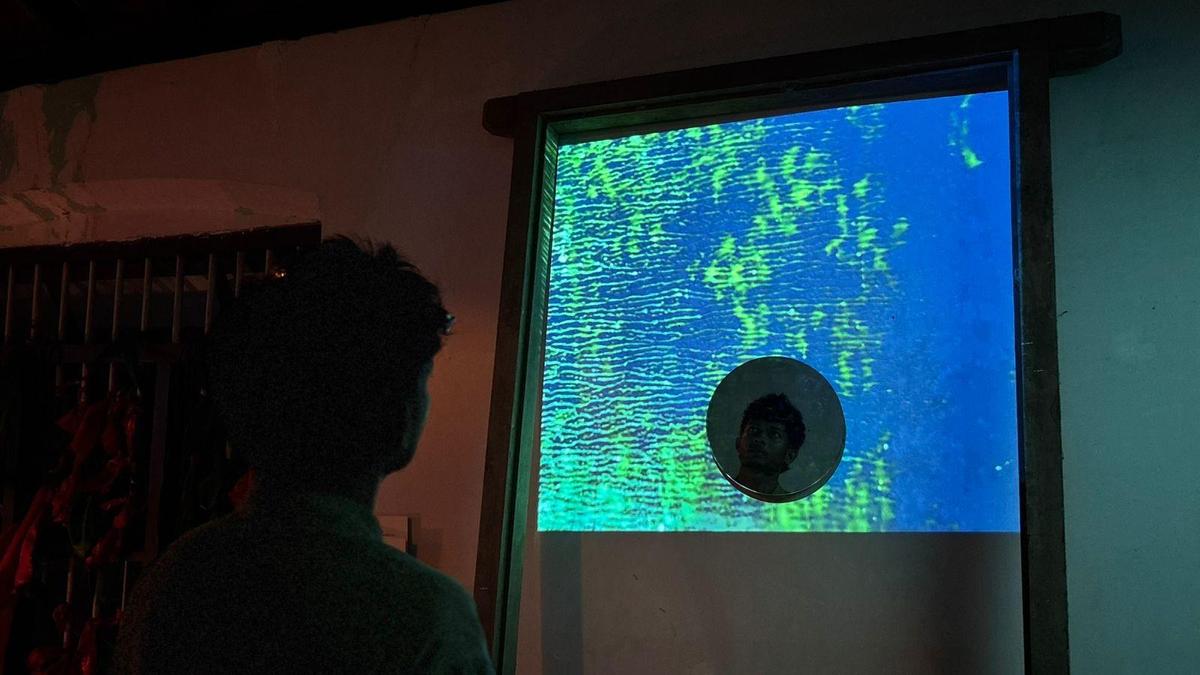
The interiors of Neighbour Gallery at Kesavadasapuram in Thiruvananthapuram evoke an image of an ancestral home, partitioned into several sections, where each family member has left something of their own to ponder over. Toppled chairs, scattered passport-sized photographs, colourful frocks hung on a panel, and an unmade bed to lie down and watch the exhibit — all remind you of a presence preceding your arrival. A sombre soundtrack, intertwined with Bollywood dialogues and narrations from exhibits, further mystifies the space.
The Seed Sprout Dreams exhibition setting, inspired by the Sunday Market flea market in Bengaluru, celebrates the “history of cinema as a scattered art form,” while paying tribute to grassroots-level stakeholders who participate in cinematic infrastructures such as distribution and conservation. The exhibition is organised by the collective Kadukkas and is curated by filmmakers Anuj Malhotra, Ketan Dua and Mahesh S, with Laxmipriya SN heading the production.
Scenes from The Seed Sprouts Dreams exhibition | Photo Credit: SPECIAL ARRANGEMENT
The exhibition explores informal archives by people themselves, identifying their own definitions of taste without adhering to Western standards of what is acceptable or not, while touching on subjects such as piracy.
Anuj says, “We began the project by looking at how film culture and history were written in the context of India, and the rest of South Asia. The exhibition pays homage to film infrastructure across South Asia. There are also outdoor film screenings and makeshift cinemas made by people themselves. This project, in a way, tries to bring these ideas together of how cinema history does not need to be a clear line of events.”
It has six exhibits placed close to one another. The videos are projected on media, such as textured clothes and monitors.


The government plans to amend the FCRA, introducing new regulations for NGO asset management and accountability for key functionaries.

The draft policy for “Responsible Digital Use Among Students”, released on Monday by the Department of Health and Family Welfare, has recommended that parents set structured routines with clear screen-time rules and prioritise privacy, safety, and open conversation with children on digital well-being.

Police Observer Sushant Kumar Saxena conducts surprise inspection at Shencottai police station, reviewing warrants and security arrangements ahead of elections.

Andhra Pradesh government to launch key projects in April, focusing on industrial growth and infrastructure development, says Nara Lokesh.

Lok Sabha refers the Corporate Laws (Amendment) Bill to a JPC amid opposition concerns over CSR provisions dilution.

SHG members in Kanniyakumari use snakes and ladders to raise election awareness and boost voter turnout.

Government accelerates consultations for early implementation of the Women’s Reservation Act to ensure women’s representation in 2029 elections.

CM A. Revanth Reddy distributes ₹1 crore insurance cheques to families of deceased Electricity department employees, enhancing financial security for workers.

The Bengaluru Traffic Police (BTP) registered 634 cases of drunk driving during a week-long special enforcement drive conducted across the city between March 16 and March 22.

GHMC intensifies action against property tax defaulters, seizing properties and offering a One Time Settlement scheme for payments.

CCB arrests three drug peddlers in Mangaluru, seizing ₹2.5 lakh worth of MDMA and other valuables.

TVK's 28 candidates in Puducherry include former BJP MLAs, a sitting Independent, and a retired police IG.

BRS submits notice on private member bill to Speaker