Tamil Nadu poll | How a government contract cost a Congress MLA his election: a lesson for 2026 candidates Premium
The Hindu
A Supreme Court ruling warns Tamil Nadu candidates about government contract pitfalls ahead of the 2026 Assembly elections.
As Tamil Nadu heads into another high-stakes Assembly election, a landmark Supreme Court judgment from the State’s political past offers a timely warning of how even a technical lapse in handling government contracts can cost a successful candidate his membership of the House.
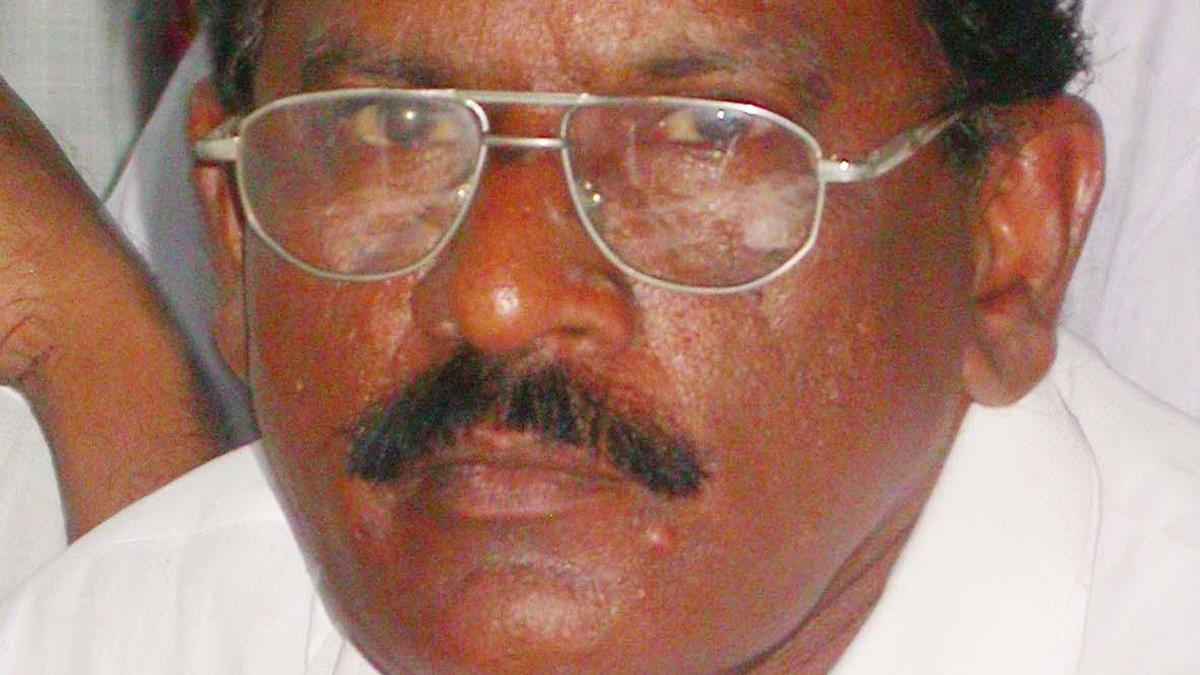
The case dates back to the 2006 Assembly election from Cheranmahadevi in Tirunelveli district. The victory of P. Veldurai, the Congress candidate, was overturned five years later, not because of voter fraud or malpractice at the booth, but due to a legal disqualification that existed even before polling day.
Veldurai polled 48,527 votes and defeated his nearest AIADMK rival P.H. Manoj Pandian by a margin of 6,032 votes.
Mr. Pandian (now in the DMK) filed an election petition before the Madras High Court challenging his opponent’s victory, raising a key technical point. Under Section 9A of the Representation of the People Act, 1951, a person is barred from contesting elections if they have a subsisting contract with the government for executing public works or supplying goods.
Veldurai was a contractor engaged in road works for the Tamil Nadu Highways Department. He attempted to exit his contracts just days before filing his nomination. On the surface, everything appeared in order — termination letters were issued.
However, Mr. Pandian’s counsel argued the contracts had not been validly terminated as per procedure. Hence, he contended, the disqualification clause would still apply to the winning candidate.


Chief Secretary K. Ramakrishna Rao's service extended by three months, ensuring continuity in Telangana's administration during crucial planning.

Meta challenges Delhi HC ruling on CCPA fine for walkie-talkie sales, arguing Facebook is not an e-commerce platform.

In a bid to boost domestic manufacturing of solar ingots and wafers - the constituents of solar cells that are then fitted on solar panels - the Ministry for New and Renewable Energy (MNRE) has said that from June 2028, only ingots and wafers made in India would be eligible for domestic projects.

Karnataka's Eva Nammava Bill aims to prevent honour killings and caste-based crimes, ensuring freedom of choice in marriage.

Water level in Mullaperiyar dam was 114.15 feet

Minister D.Sridhar Babu on Wednesday showcased Telangana to a visiting Slovenian delegation, highlighting investment opportunities the State offers across key sectors such as Life Sciences, automobiles and IT.

Delhi HC delays jail time for Rajpal Yadav in cheque bounce cases after substantial payment; next hearing set for April 1.

Tamilaga Vettri Kazhagam chief Vijay dismisses reports of TVK likely joining the National Democratic Alliance (NDA) for the 2026 Assembly elections in Tamil Nadu, asserts there is no compromise in his party’s stand on “secular social justice” principles.

Dr. Rakesh Gupta urges states to identify remaining HIV cases in India to transform the nation into 'Suraksha India'.

A Supreme Court ruling warns Tamil Nadu candidates about government contract pitfalls ahead of the 2026 Assembly elections.

State Bank of India chairman Challa Sreenivasulu Setty laid the foundation for Telangana Grameena Bank’s new head office in Hyderabad, aimed at strengthening its administrative capacity and operations.

Excise inspector, teacher arrested by ACB in bribery and benami transactions case

Police and doctors emphasize helmet use for road safety, distributing helmets and promoting awareness to prevent injuries and save lives.