Smart surveillance, unified app and live command control planned for next year’s Godavari Pushkaralu
The Hindu
Telangana Police enhance security for Godavari Pushkaralu with smart surveillance, a unified app, and live command control systems.
The Telangana Police have initiated extensive security arrangements for the upcoming Godavari Pushkaralu, scheduled to be held from June 26 to July 7 next year.
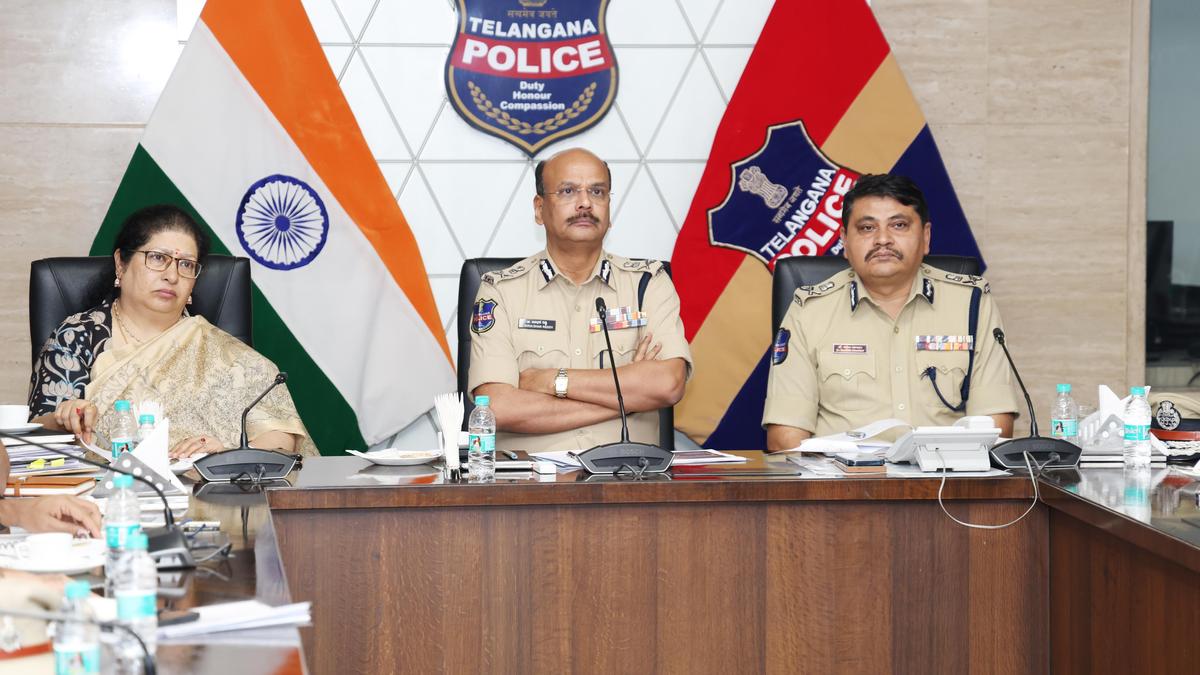
Director General of Police B. Shivadhar Reddy reviewed preparedness during a video conference with district police officers at the Telangana police headquarters in Lakdikapul on Wednesday. Endowments Principal Secretary Shailaja Ramaiyer and senior officials participated in the meeting.
The DGP directed officers to focus on security, traffic regulation and devotee amenities to ensure the event is conducted smoothly. He asked police in districts along the Godavari river to begin field-level preparations immediately and submit comprehensive reports, noting that the number of districts has increased since the first Pushkaralu held after the formation of Telangana.
Emphasising the use of advanced technology, he called for the deployment of CCTV cameras, facial recognition systems, automatic number plate recognition cameras and drone surveillance. Crowd monitoring through video analytics and heat maps, along with continuous oversight via a State-level real-time command and control centre, was also proposed, on the lines of arrangements made during the Kumbh Melas at Prayagraj and Nashik.
Officials were instructed to develop a unified mobile application and install digital display boards for devotees, besides setting up ambulance and fire vehicle tracking systems for emergencies. Anticipating a heavy influx of pilgrims, the DGP stressed meticulous crowd management planning.
Shailaja Ramaiyer said preparatory work should commence in districts including Nizamabad, Nirmal, Mancherial, Jagtial, Peddapalli, Jayashankar Bhupalpally, Mulugu and Bhadradri Kothagudem. She added that online monitoring systems for river water quality, air and noise pollution would be introduced, along with measures such as drinking water quality checks, smart bins, RFID-tagged sanitation vehicles and temporary solar grids.


The government plans to amend the FCRA, introducing new regulations for NGO asset management and accountability for key functionaries.

The draft policy for “Responsible Digital Use Among Students”, released on Monday by the Department of Health and Family Welfare, has recommended that parents set structured routines with clear screen-time rules and prioritise privacy, safety, and open conversation with children on digital well-being.

Police Observer Sushant Kumar Saxena conducts surprise inspection at Shencottai police station, reviewing warrants and security arrangements ahead of elections.

Andhra Pradesh government to launch key projects in April, focusing on industrial growth and infrastructure development, says Nara Lokesh.

Lok Sabha refers the Corporate Laws (Amendment) Bill to a JPC amid opposition concerns over CSR provisions dilution.

SHG members in Kanniyakumari use snakes and ladders to raise election awareness and boost voter turnout.

Government accelerates consultations for early implementation of the Women’s Reservation Act to ensure women’s representation in 2029 elections.

CM A. Revanth Reddy distributes ₹1 crore insurance cheques to families of deceased Electricity department employees, enhancing financial security for workers.

The Bengaluru Traffic Police (BTP) registered 634 cases of drunk driving during a week-long special enforcement drive conducted across the city between March 16 and March 22.

GHMC intensifies action against property tax defaulters, seizing properties and offering a One Time Settlement scheme for payments.

CCB arrests three drug peddlers in Mangaluru, seizing ₹2.5 lakh worth of MDMA and other valuables.

TVK's 28 candidates in Puducherry include former BJP MLAs, a sitting Independent, and a retired police IG.

BRS submits notice on private member bill to Speaker