Maharashtra mute spectator to repressive tactics of Karnataka in border areas: MES
The Hindu
Maharashtra government criticized for neglecting Marathi speakers in border areas amid Karnataka's repressive tactics, claims MES leader.
The Mahayuti government has let down Marathi-speaking people residing in disputed areas on the Maharashtra-Karnataka border, the Maharashtra Ekikaran Samiti (MES) said on Wednesday.
“There won’t be a political resolution to the issue. We expect the Supreme Court to give us justice. What the Governor has said about Maharashtra government’s commitment to resolving the Maharashtra-Karnataka border issue is mere lip service. The Maharashtra government has wilfully ignored the interests of the Marathi-speaking population in the border areas,” MES leader Vijay Devane told The Hindu.
Mr. Devane alleged that the Maharashtra government is a mute spectator to the Karnataka government’s “repressive tactics” against Marathi speakers in the border areas, citing instances like Marathi boards being torn down and cases being registered for not speaking in Kannada in government offices. “Our requests and applications do not get processed if we do not speak in Kannada. During the Assembly session in Belagavi, we are denied permission to hold rallies,” he said.
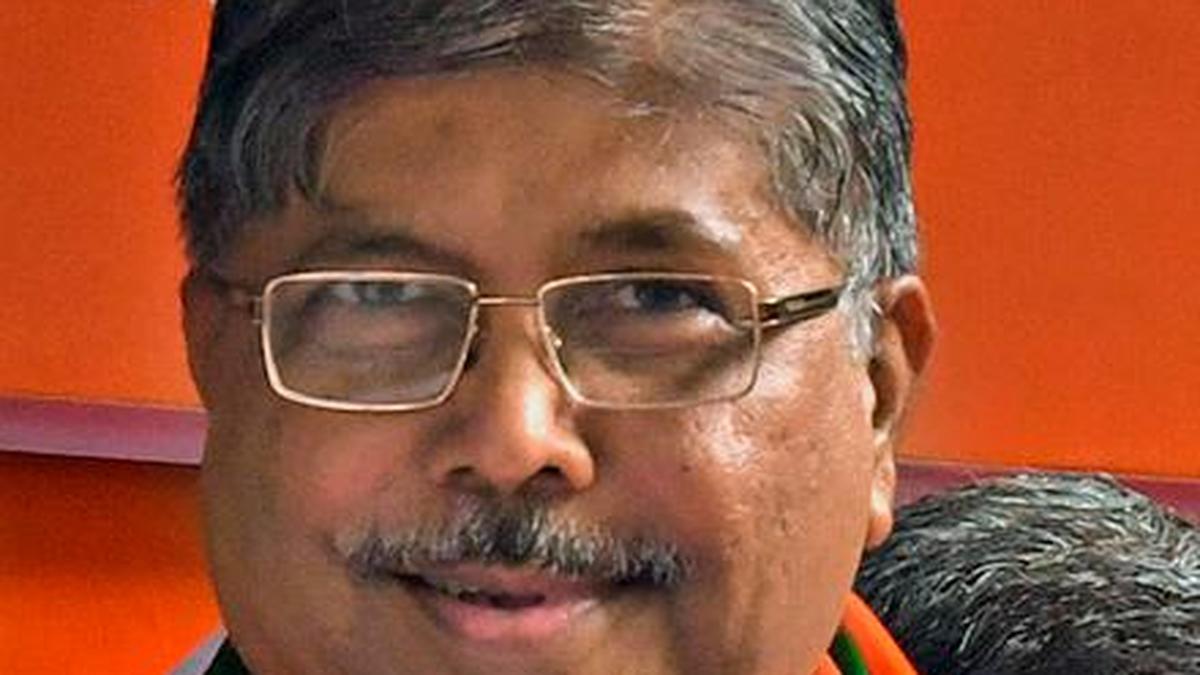
He said Maharashtra Ministers Chandrakant Patil and Shambhuraj Desai, appointed by the government to coordinate with the legal team on the border dispute case being heard in the apex court, have not addressed their concerns. He urged the Maharashtra government to take a strong stance on the issue.
“Lawyers should hold meetings with the Maharashtra Ekikaran Samiti, which has been fighting this battle for three generations now,” he said.
The Maharashtra government said a meeting will be held before the end of the ongoing Budget Session of the Assembly to address the concerns of Marathi-speaking people in the border areas. “For the last four months, we did not hold any meeting because the model code of conduct was in force for the local body elections,” Mr. Patil told The Hindu.


The government plans to amend the FCRA, introducing new regulations for NGO asset management and accountability for key functionaries.

The draft policy for “Responsible Digital Use Among Students”, released on Monday by the Department of Health and Family Welfare, has recommended that parents set structured routines with clear screen-time rules and prioritise privacy, safety, and open conversation with children on digital well-being.

Police Observer Sushant Kumar Saxena conducts surprise inspection at Shencottai police station, reviewing warrants and security arrangements ahead of elections.

Andhra Pradesh government to launch key projects in April, focusing on industrial growth and infrastructure development, says Nara Lokesh.

Lok Sabha refers the Corporate Laws (Amendment) Bill to a JPC amid opposition concerns over CSR provisions dilution.

SHG members in Kanniyakumari use snakes and ladders to raise election awareness and boost voter turnout.

Government accelerates consultations for early implementation of the Women’s Reservation Act to ensure women’s representation in 2029 elections.

CM A. Revanth Reddy distributes ₹1 crore insurance cheques to families of deceased Electricity department employees, enhancing financial security for workers.

The Bengaluru Traffic Police (BTP) registered 634 cases of drunk driving during a week-long special enforcement drive conducted across the city between March 16 and March 22.

GHMC intensifies action against property tax defaulters, seizing properties and offering a One Time Settlement scheme for payments.

CCB arrests three drug peddlers in Mangaluru, seizing ₹2.5 lakh worth of MDMA and other valuables.

TVK's 28 candidates in Puducherry include former BJP MLAs, a sitting Independent, and a retired police IG.

BRS submits notice on private member bill to Speaker