How the Russia-Ukraine war is hurting the home front
The Hindu
Data show that people in both Russia and Ukraine have been feeling the pinch of the conflict. Consumer price inflation in both countries surged to a six-year high at the outset of the war in 2022 affecting food prices.
The Russia-Ukraine war, which began with Russia’s invasion four years ago, on February 24, 2022, has continued despite thousands of casualties and numerous rounds of peace negotiations. A joint report by the World Bank, European Union (EU), United Nations, and Ukraine, published on February 23, estimates the cost of post-war construction in Ukraine to be around $558 billion over the next decade, nearly three times the country’s estimated GDP in 2025.
The war has taken a toll on both countries. Russia, one of the world’s largest economies, has been battered by sanctions imposed by the EU and the U.S. As shown in the chart below, its economy grew by less than 1% last year and is estimated to grow by another 1% in 2026.
The economic condition of Ukraine, one of the poorest European nations even before the war, has worsened in recent years. The country is reeling under mounting government debt, rising reliance on aid, and heavy damage to infrastructure. Its GDP growth contracted by almost 30% in 2022. Its economy, which grew by just 2% last year, is estimated to recover to 4.5% in 2026.
Data show that people in both Russia and Ukraine have been feeling the pinch of the conflict.
Consumer price inflation in both countries surged to a six-year high at the outset of the war in 2022. It has remained persistently elevated in the years since. For instance, in Russia, inflation surged to 14% in 2022, moderated to 5% in 2023, but subsequently increased to 9% in the last year.
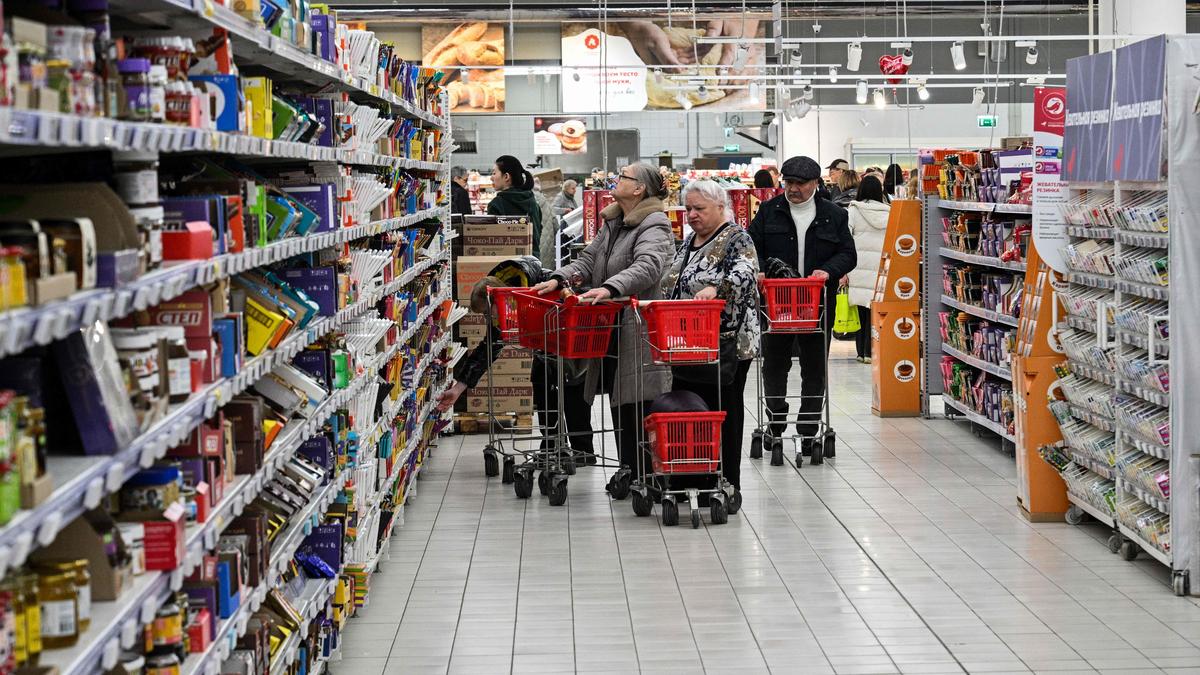
The cost of essential items such as basic food products has risen substantially in both countries. In Russia, a kilogramme of bread increased by 13% this month compared to a year ago and increased by over 50% compared to five years ago, according to the Food and Agriculture Organization’s Food Price Index.


The government plans to amend the FCRA, introducing new regulations for NGO asset management and accountability for key functionaries.

The draft policy for “Responsible Digital Use Among Students”, released on Monday by the Department of Health and Family Welfare, has recommended that parents set structured routines with clear screen-time rules and prioritise privacy, safety, and open conversation with children on digital well-being.

Police Observer Sushant Kumar Saxena conducts surprise inspection at Shencottai police station, reviewing warrants and security arrangements ahead of elections.

Andhra Pradesh government to launch key projects in April, focusing on industrial growth and infrastructure development, says Nara Lokesh.

Lok Sabha refers the Corporate Laws (Amendment) Bill to a JPC amid opposition concerns over CSR provisions dilution.

SHG members in Kanniyakumari use snakes and ladders to raise election awareness and boost voter turnout.

Government accelerates consultations for early implementation of the Women’s Reservation Act to ensure women’s representation in 2029 elections.

CM A. Revanth Reddy distributes ₹1 crore insurance cheques to families of deceased Electricity department employees, enhancing financial security for workers.

The Bengaluru Traffic Police (BTP) registered 634 cases of drunk driving during a week-long special enforcement drive conducted across the city between March 16 and March 22.

GHMC intensifies action against property tax defaulters, seizing properties and offering a One Time Settlement scheme for payments.

CCB arrests three drug peddlers in Mangaluru, seizing ₹2.5 lakh worth of MDMA and other valuables.

TVK's 28 candidates in Puducherry include former BJP MLAs, a sitting Independent, and a retired police IG.

BRS submits notice on private member bill to Speaker