How the invention of elevators and lifts changed the way buildings were built
The Hindu
Towering skyscrapers to cool, enclosed corridors, two powerful inventions transformed the way buildings are designed and how we experience them.
Whenever new scientific and technological inventions are made, they change how we live. Aeroplanes changed the way we travel long distances, cellphones changed the way we communicate, and AI is changing the way people do their jobs. What were some innovations that had a massive impact on the forms buildings took?
The tallest building today has 163 floors. You’d have to climb over 3,000 steps to reach the top, while an elevator would take you there in around a minute. The humble passenger lift had a huge impact on buildings; it’s the reason why so many skyscrapers exist across the world, for people to live, work and occupy floors several dozen feet above the ground.
The invention of the safety brake made elevators common and led to the construction of taller buildings across the world. | Photo Credit: Getty Images/iStockPhoto
Before the invention of the elevator, tall buildings were mainly in the form of cathedrals, temples and monuments. The idea of an elevator or lift has also existed in the form of manually pulled ropes and pulleys, which were used for construction, moving goods, and sometimes people. But they were never considered for large-scale human use because, if the rope broke or gave way, the elevator could come crashing down!
The device that changed this was the invention of the safety brake by American industrialist Elisha Otis in the mid-1850s. So now, even if there is a failure, the lift will stop in the shaft and not cause injury to the riders. This breakthrough made elevators common and led to the construction of taller buildings across the world.
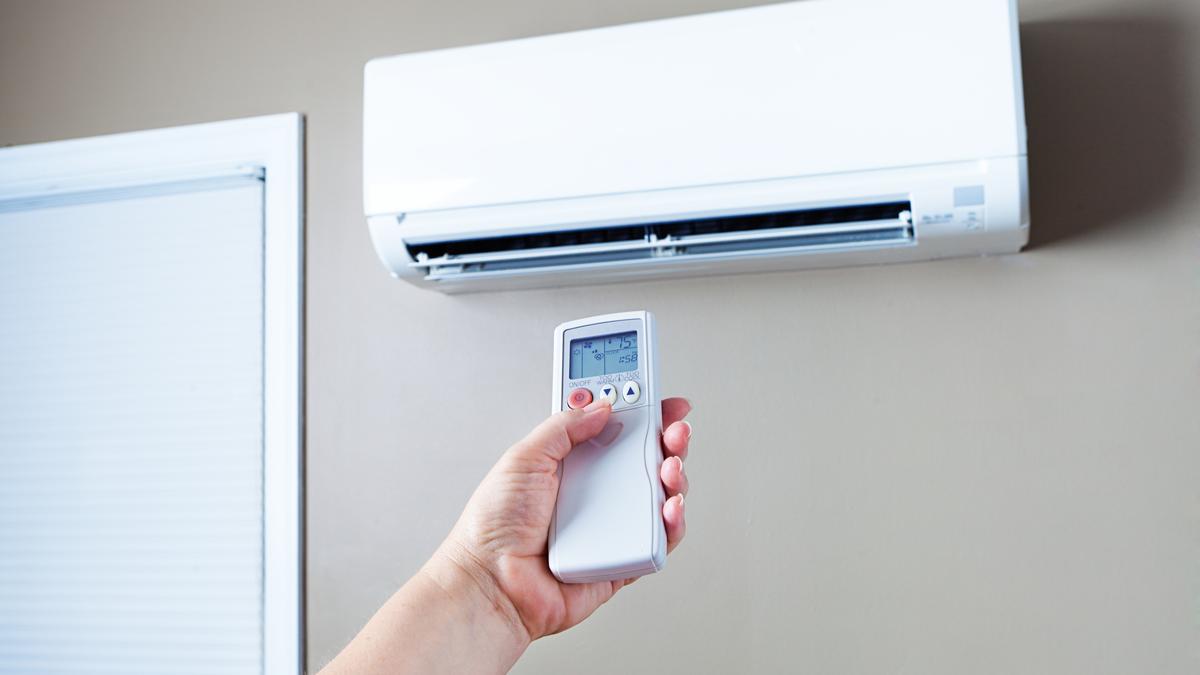
Have you stayed at a hotel with a long, closed corridor and repeated rooms on both sides? Such a building would be extremely uncomfortable without air-conditioning. Most large-scale buildings today use air-conditioning to control indoor temperature. An AC works on thermodynamic principles, drawing in warm indoor air, cooling it using refrigeration coils and blowing chilled air into the room, while releasing heat outdoors.


The government plans to amend the FCRA, introducing new regulations for NGO asset management and accountability for key functionaries.

The draft policy for “Responsible Digital Use Among Students”, released on Monday by the Department of Health and Family Welfare, has recommended that parents set structured routines with clear screen-time rules and prioritise privacy, safety, and open conversation with children on digital well-being.

Police Observer Sushant Kumar Saxena conducts surprise inspection at Shencottai police station, reviewing warrants and security arrangements ahead of elections.

Andhra Pradesh government to launch key projects in April, focusing on industrial growth and infrastructure development, says Nara Lokesh.

Lok Sabha refers the Corporate Laws (Amendment) Bill to a JPC amid opposition concerns over CSR provisions dilution.

SHG members in Kanniyakumari use snakes and ladders to raise election awareness and boost voter turnout.

Government accelerates consultations for early implementation of the Women’s Reservation Act to ensure women’s representation in 2029 elections.

CM A. Revanth Reddy distributes ₹1 crore insurance cheques to families of deceased Electricity department employees, enhancing financial security for workers.

The Bengaluru Traffic Police (BTP) registered 634 cases of drunk driving during a week-long special enforcement drive conducted across the city between March 16 and March 22.

GHMC intensifies action against property tax defaulters, seizing properties and offering a One Time Settlement scheme for payments.

CCB arrests three drug peddlers in Mangaluru, seizing ₹2.5 lakh worth of MDMA and other valuables.

TVK's 28 candidates in Puducherry include former BJP MLAs, a sitting Independent, and a retired police IG.

BRS submits notice on private member bill to Speaker