‘Govt. to spend ₹6.5 crore for facilities in Dhanushkodi, nearby places’
The Hindu
Tamil Nadu government to invest ₹6.5 crore in Dhanushkodi tourism infrastructure, focusing on cleanliness and visitor experience enhancement.
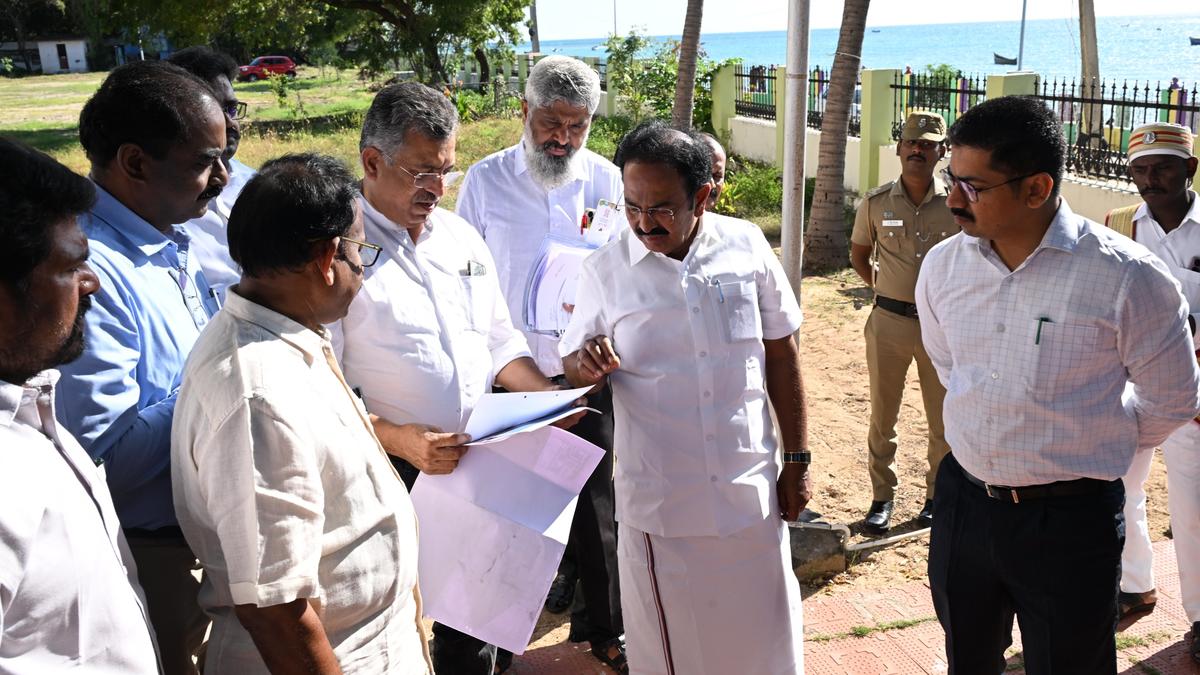
The Tamil Nadu government has proposed to spend ₹6.5 crore towards infrastructural facilities in the famous tourist spot - Dhanushkodi and other surrounding locations in Ramanathapuram district, said Tourism Minister R. Rajendran on Sunday.
The Minister went around the TTDC hotel close to the Agneetheertham, visited Dhanuskodi Road, Rameswaram, Mandapam, Ariyamaan beach and others with Collector Simranjeet Singh Kahlon, MP Navas Kani, senior officials from the Tourism department, including AGM David Prabhakaran, RM Guneswaran, Regional Finance Officer Rajeswari, RDO Raja Manoharan, Tourism Officer Nithya Kalyani and TTDC Manager Anand Kumar.
He told media persons that the district received the highest number of tourists from various destinations. For a number over two crore, the government would add on more infrastructure.
Following requests, it had been decided to install a high-mast lamp near the Seeniappa dargah. Likewise, the Rameswaram temple too would get more facilities inside and outside the shrine for the visiting devotees. Plans are afoot to establish a helipad near Dhanuskodi, he said and visited the site at Natarajapuram, he added.
The rooms at the TTDC hotel would be refurbished, he responded to a query and said that the kitchen would be renovated.
“I have asked the officers to prepare a plan and submit... We will get it done,” he said.
The government, he said, is keen on promoting tourism and educating the visitors to keep the surrounding clean and green. Only when the tourist spots sported a clean look, it would attract more people. The tourism earned huge revenues, but it would be the responsibility of each one to keep the eco-system in a proper manner.


The government plans to amend the FCRA, introducing new regulations for NGO asset management and accountability for key functionaries.

The draft policy for “Responsible Digital Use Among Students”, released on Monday by the Department of Health and Family Welfare, has recommended that parents set structured routines with clear screen-time rules and prioritise privacy, safety, and open conversation with children on digital well-being.

Police Observer Sushant Kumar Saxena conducts surprise inspection at Shencottai police station, reviewing warrants and security arrangements ahead of elections.

Andhra Pradesh government to launch key projects in April, focusing on industrial growth and infrastructure development, says Nara Lokesh.

Lok Sabha refers the Corporate Laws (Amendment) Bill to a JPC amid opposition concerns over CSR provisions dilution.

SHG members in Kanniyakumari use snakes and ladders to raise election awareness and boost voter turnout.

Government accelerates consultations for early implementation of the Women’s Reservation Act to ensure women’s representation in 2029 elections.

CM A. Revanth Reddy distributes ₹1 crore insurance cheques to families of deceased Electricity department employees, enhancing financial security for workers.

The Bengaluru Traffic Police (BTP) registered 634 cases of drunk driving during a week-long special enforcement drive conducted across the city between March 16 and March 22.

GHMC intensifies action against property tax defaulters, seizing properties and offering a One Time Settlement scheme for payments.

CCB arrests three drug peddlers in Mangaluru, seizing ₹2.5 lakh worth of MDMA and other valuables.

TVK's 28 candidates in Puducherry include former BJP MLAs, a sitting Independent, and a retired police IG.

BRS submits notice on private member bill to Speaker