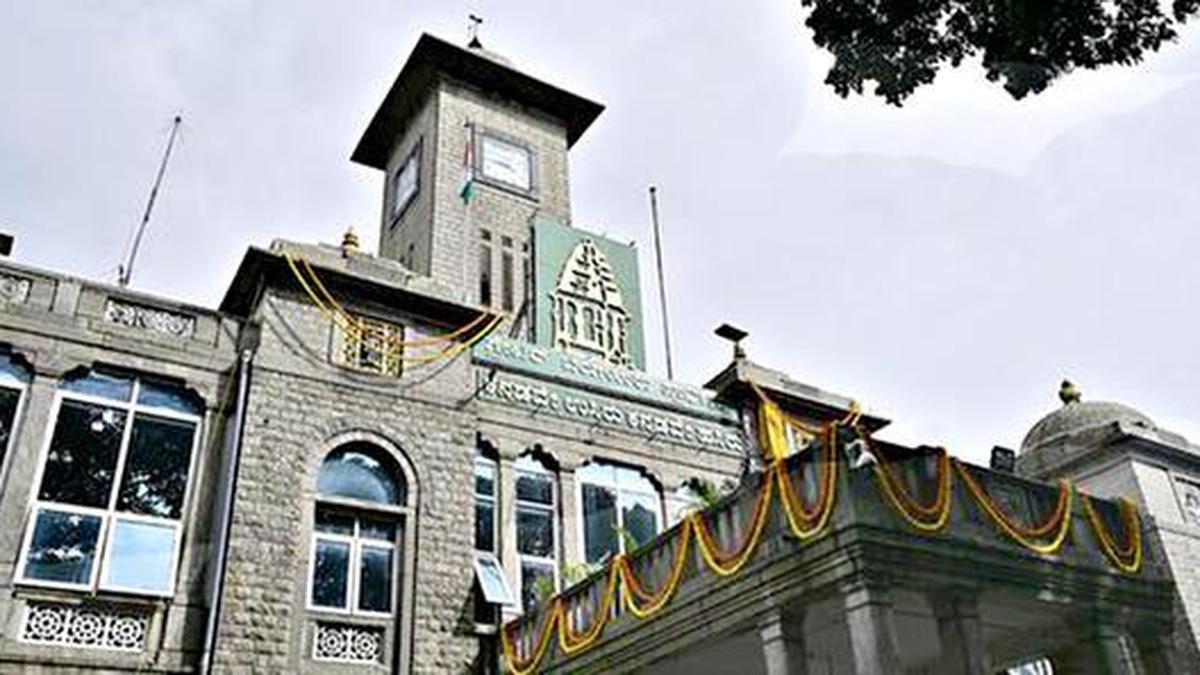
GBA chief’s public meeting draws huge crowd; citizens welcome the initiative
The Hindu
Public meeting by GBA attracts citizens eager for change, addressing local issues and enhancing accountability in Bengaluru.
Greta D’Mello, a senior citizen suffering from pneumonia, has repeatedly complained to civic body officials about the pigeon menace caused by constant feeding near Johnson Market. At least ten residents in her apartment complex are senior citizens with health issues. However, central corporation officials had turned a deaf ear to her neighbourhood’s concerns.
Ms. D’Mello was among over 50 citizens who attended the public meeting held at the Bengaluru City Central Corporation head office on Thursday. “At least now, with the Chief Commissioner hearing our issues, some change may come with the initiation of action,” she told The Hindu.
Like her, several others raised concerns over issues including fallen leaves on pedestrian pathways, illegal dumping of waste, building violations, haphazard parking, and footpath encroachments.
In what officials described as a first-of-its-kind meeting, participation exceeded the corporation’s expectations. The entire 10th floor of the Utility Building was occupied by citizens waiting for their turn to meet the commissioner.
Vidya Ramachandran, a member of the RWA Social Amenities Association in east Bengaluru, said that while many street vendors occupy space, which is acceptable, the real problem lies with those who encroach upon substantial portions of footpaths, especially those who set up mini nurseries on walkways.
She said corporation officials are well aware of such micro-level issues but fail to act on them. “We don’t get solutions to issues like this at the junior officers’ level, so it is good to hold public meetings with top officials who can direct their officers to take action,” she said. “We should see if there will be any outcome; otherwise, all this will go in vain,” she added.


The government plans to amend the FCRA, introducing new regulations for NGO asset management and accountability for key functionaries.

The draft policy for “Responsible Digital Use Among Students”, released on Monday by the Department of Health and Family Welfare, has recommended that parents set structured routines with clear screen-time rules and prioritise privacy, safety, and open conversation with children on digital well-being.

Police Observer Sushant Kumar Saxena conducts surprise inspection at Shencottai police station, reviewing warrants and security arrangements ahead of elections.

Andhra Pradesh government to launch key projects in April, focusing on industrial growth and infrastructure development, says Nara Lokesh.

Lok Sabha refers the Corporate Laws (Amendment) Bill to a JPC amid opposition concerns over CSR provisions dilution.

SHG members in Kanniyakumari use snakes and ladders to raise election awareness and boost voter turnout.

Government accelerates consultations for early implementation of the Women’s Reservation Act to ensure women’s representation in 2029 elections.

CM A. Revanth Reddy distributes ₹1 crore insurance cheques to families of deceased Electricity department employees, enhancing financial security for workers.

The Bengaluru Traffic Police (BTP) registered 634 cases of drunk driving during a week-long special enforcement drive conducted across the city between March 16 and March 22.

GHMC intensifies action against property tax defaulters, seizing properties and offering a One Time Settlement scheme for payments.

CCB arrests three drug peddlers in Mangaluru, seizing ₹2.5 lakh worth of MDMA and other valuables.

TVK's 28 candidates in Puducherry include former BJP MLAs, a sitting Independent, and a retired police IG.

BRS submits notice on private member bill to Speaker