Column | Nandini Bhowmik: bridging the gap
The Hindu
Nandini Bhowmik challenges patriarchy by officiating inclusive weddings, promoting equality, and bridging cultural gaps through Vedic mantras.
Nandini Bhowmik, 66, has been doing her bit to shake up Hindu society since 2009. Her daughter’s wedding was the first one she officiated as a priest. “Both families agreed, though nobody had heard of such a thing,” she says. “Not all the guests were satisfied.”
The Sanskrit scholar-professor, Indologist and priest says she “spreads human values through religion”. In a country where identity is employed every day to divide people, Bhowmik uses her teachings to unite the younger generation and, through them, their families.
“Actually all religions speak of the same thing, the path is different but everyone speaks of human welfare,” she says. “My deliberations and explanations also point that way.” The 2020 Bengali film Brahma Janen Gopon Kommoti, about a woman priest who smashes patriarchal prejudices, was inspired by her.
Nandini Bhowmik
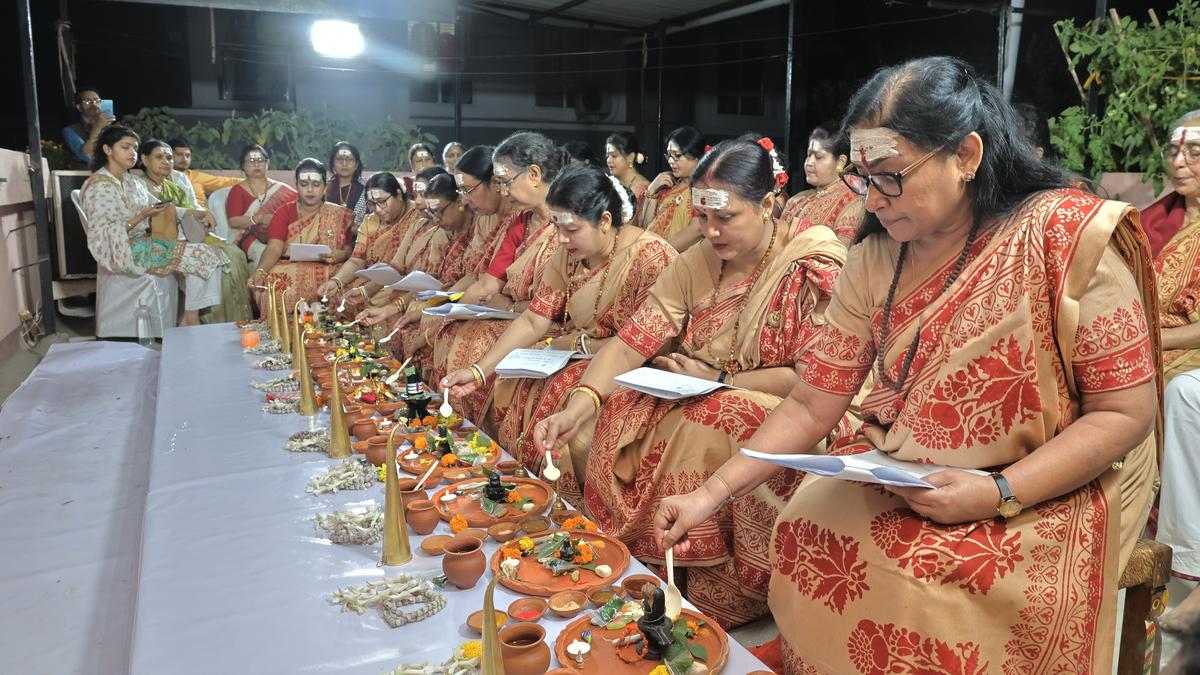
Shubhamastu, the name of the charitable trust she co-founded in Kolkata all those years ago with her college friend Ruma Roy, could easily be seen as their gift to couples who want to marry irrespective of caste, religion, or nationality. Its tagline is, appropriately, ‘Priests for humanity, priests for a better society’. Now they are a team of 19 priests and devotional singers, all women, who officiate some 170 weddings every year, in addition to other ceremonies. “Young people contact me on their own,” says Bhowmik. I can see why they are drawn to her. What’s more comforting than an erudite grandmother with progressive values?
Using Vedic mantras to write a new script, Bhowmik transforms the wedding arena into a space that gives women a more equal start in the marital journey.


The government plans to amend the FCRA, introducing new regulations for NGO asset management and accountability for key functionaries.

The draft policy for “Responsible Digital Use Among Students”, released on Monday by the Department of Health and Family Welfare, has recommended that parents set structured routines with clear screen-time rules and prioritise privacy, safety, and open conversation with children on digital well-being.

Police Observer Sushant Kumar Saxena conducts surprise inspection at Shencottai police station, reviewing warrants and security arrangements ahead of elections.

Andhra Pradesh government to launch key projects in April, focusing on industrial growth and infrastructure development, says Nara Lokesh.

Lok Sabha refers the Corporate Laws (Amendment) Bill to a JPC amid opposition concerns over CSR provisions dilution.

SHG members in Kanniyakumari use snakes and ladders to raise election awareness and boost voter turnout.

Government accelerates consultations for early implementation of the Women’s Reservation Act to ensure women’s representation in 2029 elections.

CM A. Revanth Reddy distributes ₹1 crore insurance cheques to families of deceased Electricity department employees, enhancing financial security for workers.

The Bengaluru Traffic Police (BTP) registered 634 cases of drunk driving during a week-long special enforcement drive conducted across the city between March 16 and March 22.

GHMC intensifies action against property tax defaulters, seizing properties and offering a One Time Settlement scheme for payments.

CCB arrests three drug peddlers in Mangaluru, seizing ₹2.5 lakh worth of MDMA and other valuables.

TVK's 28 candidates in Puducherry include former BJP MLAs, a sitting Independent, and a retired police IG.

BRS submits notice on private member bill to Speaker