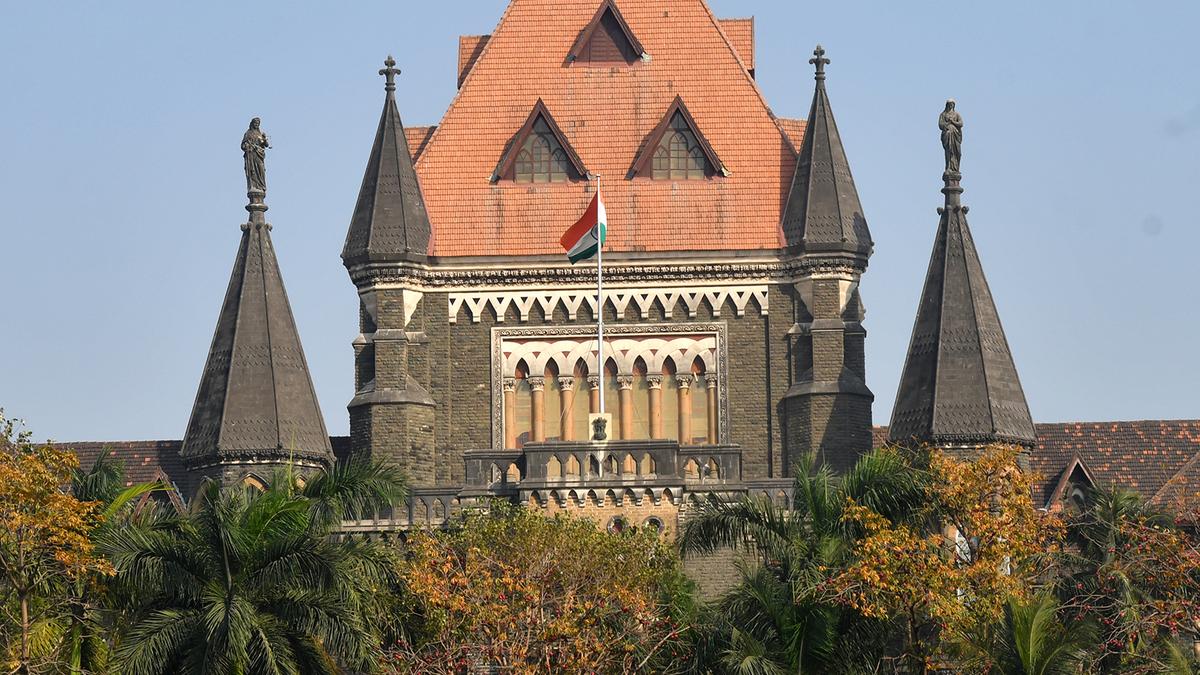
Bombay High Court dismisses BCCI’s petition against Kochi Tuskers
The Hindu
Bombay High Court upholds arbitral awards, orders BCCI to pay ₹385.50 crore to KCPL and ₹153.34 crore to RSW.
In a major setback to the Board of Control for Cricket in India (BCCI), the Bombay High Court has upheld arbitral awards, directing BCCI to pay ₹385.50 crore to Kochi Cricket Private Limited (KCPL) and ₹153.34 crore to Rendezvous Sports World (RSW) in connection with the Kochi IPL (Indian Premier League) franchise. A detailed order was made available on June 17, 2025 in the evening.
Kochi Tuskers had participated in the 2011 season of IPL but was terminated by the BCCI the following year after allegations of breach of the franchise agreement.
A Single-Bench judge, Justice Riyaz I. Chagla, rejected BCCI’s challenge to the arbitral awards, ruling that the Court could not sit and act as an appellate authority over the arbitrator’s findings.
In a 107-page order, Justice Chagla observed, “The jurisdiction of this Court under Section 34 of the Arbitration Act is very limited. BCCI’s endeavour to delve into the merits of the dispute is in teeth of the scope of the grounds contained in Section 34 of the Act. BCCI’s dissatisfaction as to the findings rendered in respect of the evidence and/or the merits cannot be a ground to assail the Award.”
The order further said that it is not open for this Court to revisit the findings of facts arrived at by the Arbitral Tribunal after the appreciation of evidence and documents on record or to interfere with the award on the ground that the terms of the contract were not correctly interpreted by the learned Arbitrator.
“The conclusion of the learned Arbitrator namely that BCCI had wrongfully invoked the bank guarantee which amounted to a repudiatory breach of the KCPL-FA would call for no interference under Section 34 of the Arbitration Act considering that this is based on a correct appreciation of the evidence on record,” the court noted.


The government plans to amend the FCRA, introducing new regulations for NGO asset management and accountability for key functionaries.

The draft policy for “Responsible Digital Use Among Students”, released on Monday by the Department of Health and Family Welfare, has recommended that parents set structured routines with clear screen-time rules and prioritise privacy, safety, and open conversation with children on digital well-being.

Police Observer Sushant Kumar Saxena conducts surprise inspection at Shencottai police station, reviewing warrants and security arrangements ahead of elections.

Andhra Pradesh government to launch key projects in April, focusing on industrial growth and infrastructure development, says Nara Lokesh.

Lok Sabha refers the Corporate Laws (Amendment) Bill to a JPC amid opposition concerns over CSR provisions dilution.

SHG members in Kanniyakumari use snakes and ladders to raise election awareness and boost voter turnout.

Government accelerates consultations for early implementation of the Women’s Reservation Act to ensure women’s representation in 2029 elections.

CM A. Revanth Reddy distributes ₹1 crore insurance cheques to families of deceased Electricity department employees, enhancing financial security for workers.

The Bengaluru Traffic Police (BTP) registered 634 cases of drunk driving during a week-long special enforcement drive conducted across the city between March 16 and March 22.

GHMC intensifies action against property tax defaulters, seizing properties and offering a One Time Settlement scheme for payments.

CCB arrests three drug peddlers in Mangaluru, seizing ₹2.5 lakh worth of MDMA and other valuables.

TVK's 28 candidates in Puducherry include former BJP MLAs, a sitting Independent, and a retired police IG.

BRS submits notice on private member bill to Speaker