A stranger in my capital city Premium
The Hindu
Exploring the struggles of Northeast Indians in Delhi, highlighting their resilience against everyday racism and seeking acceptance.
Spring is Atiya’s (name changed on request) favourite season. Back in Manipur, it arrives with pleasant weather, vibrant festivals, and fields bursting into colour. Since childhood, this time of the year for her has meant hours of gazing upon bright flowers and breathing in their fragrance. She hasn’t experienced that for two years now, ever since she moved to Delhi.
On March 8, she walked to one of Delhi’s gardens in Saket, with a transgender friend, hoping to find that spring comfort. What she encountered was just the opposite. She says a group of boys, between 13 and 16 years, began passing lewd remarks. “They began by calling me ‘chinki’ (a racial slur used on people with East Asian features), then went on to calling me a sex worker in Hindi,” says Atiya.
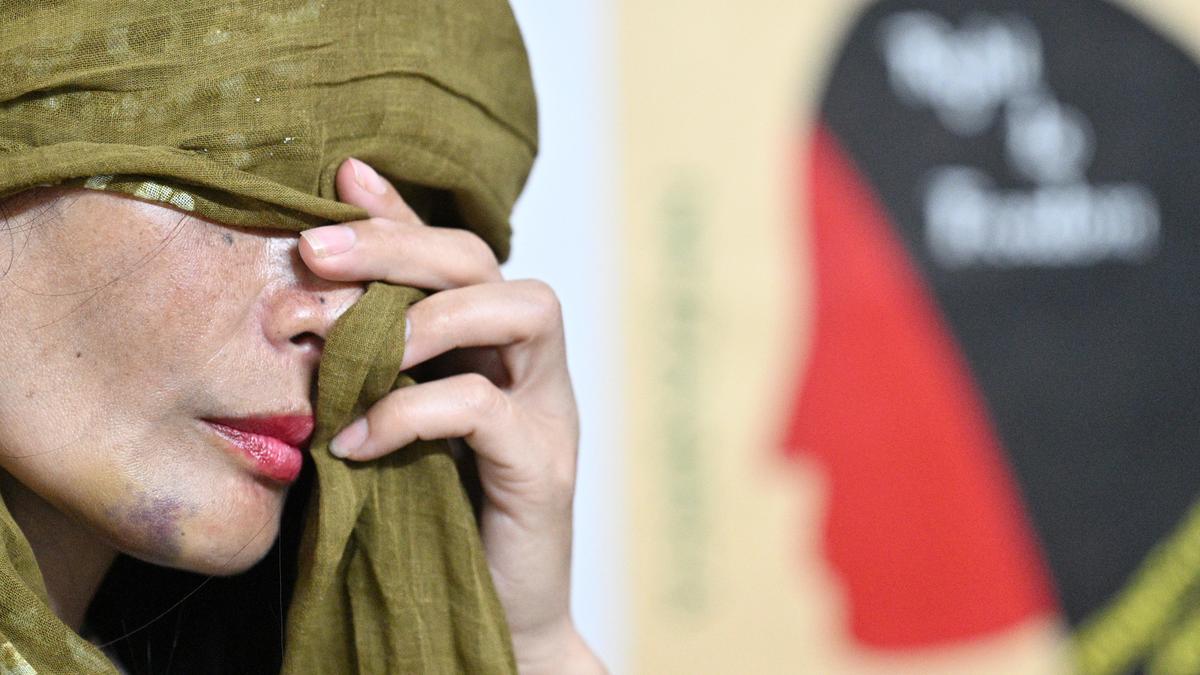
The only reason Atiya says she understood these words was because they had been hurled at her several times in the past, in Delhi. When she objected, one of the boys threw a stone that struck her jaw, leaving her injured. Shocked and humiliated, she tried to run, but the boys chased her. She eventually fell to the ground, where one of them hit her with a belt, leaving bruises on her neck.
For many people from the Northeast living in Delhi, the incident was painfully familiar. While violence against communities from the region makes occasional headlines, the deeper story of racism lies in the everyday hostility — on the streets, in buses, in rented apartments, and crowded markets.
“The attack was so sudden that before I could gather my senses, I was hit again, that too by kids! What added to the trauma was that the park was full of people and no one came to rescue me even when I ran shouting for help,” says Atiya. She holds a degree in international law and came to Delhi when the ethnic violence engulfed Manipur, disrupting daily life and leaving few job opportunities.
Since the incident, Atiya has kept her face covered. She walks down roads quickly, and avoids venturing out after sunset. Her parents have asked her to return home, but she has decided to stay in Delhi and fight back.


Chief Secretary K. Ramakrishna Rao's service extended by three months, ensuring continuity in Telangana's administration during crucial planning.

Meta challenges Delhi HC ruling on CCPA fine for walkie-talkie sales, arguing Facebook is not an e-commerce platform.

In a bid to boost domestic manufacturing of solar ingots and wafers - the constituents of solar cells that are then fitted on solar panels - the Ministry for New and Renewable Energy (MNRE) has said that from June 2028, only ingots and wafers made in India would be eligible for domestic projects.

Karnataka's Eva Nammava Bill aims to prevent honour killings and caste-based crimes, ensuring freedom of choice in marriage.

Water level in Mullaperiyar dam was 114.15 feet

Minister D.Sridhar Babu on Wednesday showcased Telangana to a visiting Slovenian delegation, highlighting investment opportunities the State offers across key sectors such as Life Sciences, automobiles and IT.

Delhi HC delays jail time for Rajpal Yadav in cheque bounce cases after substantial payment; next hearing set for April 1.

Tamilaga Vettri Kazhagam chief Vijay dismisses reports of TVK likely joining the National Democratic Alliance (NDA) for the 2026 Assembly elections in Tamil Nadu, asserts there is no compromise in his party’s stand on “secular social justice” principles.

Dr. Rakesh Gupta urges states to identify remaining HIV cases in India to transform the nation into 'Suraksha India'.

A Supreme Court ruling warns Tamil Nadu candidates about government contract pitfalls ahead of the 2026 Assembly elections.

State Bank of India chairman Challa Sreenivasulu Setty laid the foundation for Telangana Grameena Bank’s new head office in Hyderabad, aimed at strengthening its administrative capacity and operations.

Excise inspector, teacher arrested by ACB in bribery and benami transactions case

Police and doctors emphasize helmet use for road safety, distributing helmets and promoting awareness to prevent injuries and save lives.