A Decade of India’s Evolving Naval Diplomacy: From SAGAR to MAHASAGAR
The Hindu
A Decade of India’s Evolving Naval Diplomacy: From SAGAR to MAHASAGAR
NEW DELHI, Feb. 26, 2026 /PRNewswire/ -- Over the past decade, the Indian Navy and India’s maritime philosophy have undergone one of the most significant strategic evolutions in the nation’s modern diplomatic history. From an IOR centric focus in 2015 with the vision SAGAR to the broader, global outlook integrated in the concept of MAHASAGAR. This transformation reflects India’s rising maritime capabilities and signals the Indian Navy’s expanding role as a security provider and cooperative partner across the Indo-Pacific and beyond.
SAGAR (Security and Growth for All in the Region) was first articulated by Prime Minister Narendra Modi in 2015 during a visit to Mauritius. The policy highlighted India’s intent to strengthen the integral elements of maritime diplomacy - security cooperation, economic integration, and sustainable development across the Indian Ocean Region (IOR). Rooted in principles of mutual respect and shared prosperity, SAGAR aimed to position India as a ‘net security provider’ in its maritime neighbourhood, the Indian Ocean region, building on the country’s history of promoting peace and capitalising its strategic geography.
For a decade, SAGAR drove a range of diplomatic and security engagements. India expanded its maritime domain awareness through institutions like the Information Fusion Centre – Indian Ocean Region (IFC-IOR), facilitating real-time information sharing with partner nations. The Indian Navy enhanced its presence through joint exercises, capacity-building programs, coordinated patrols, and humanitarian assistance and disaster relief (HADR) missions contributing to safer sea lanes and stronger regional trust.
However, the shifting geopolitical landscape of the Indo-Pacific, marked by intensifying strategic competition and increased maritime activity, prompted a realignment of India’s ocean diplomacy. In March 2025, again in Mauritius, Prime Minister Modi unveiled the MAHASAGAR vision — Mutual and Holistic Advancement for Security and Growth Across Regions. This new doctrine retains the foundational goals of SAGAR but extends them into a more ambitious, globally oriented maritime strategy.
Unlike SAGAR’s primarily regional and security-centric approach, MAHASAGAR integrates economic diplomacy, technological connectivity, environmental sustainability, and broader geopolitical outreach into India’s maritime engagement. It seeks to advance cooperative frameworks that transcend the Indian Ocean, engaging partners in Southeast Asia, Africa, and the wider Global South in shared security, trade, and sustainable development initiatives.
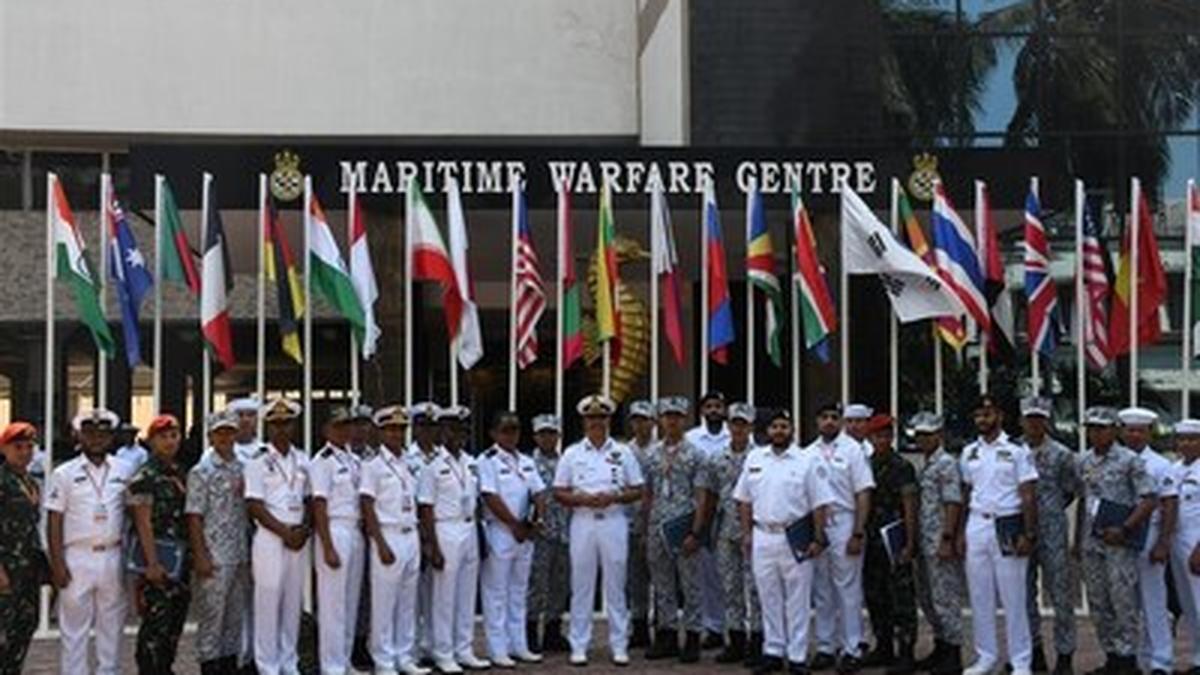
A defining demonstration of this expanded naval diplomacy is Milan 2026 . Hosted by the Indian Navy in Visakhapatnam, Milan 2026 represents one of the largest multilateral naval gatherings in the region. Originally conceived in the 1990s as a modest biennial exercise among friendly navies, Milan has evolved into a major platform for maritime cooperation, interoperability, and strategic dialogue. The 2026 edition of the event reflects the MAHASAGAR ethos, bringing together a wide spectrum of Indo-Pacific and Global South navies for complex exercises, professional exchanges, and coordinated maritime security drills.


The government plans to amend the FCRA, introducing new regulations for NGO asset management and accountability for key functionaries.

The draft policy for “Responsible Digital Use Among Students”, released on Monday by the Department of Health and Family Welfare, has recommended that parents set structured routines with clear screen-time rules and prioritise privacy, safety, and open conversation with children on digital well-being.

Police Observer Sushant Kumar Saxena conducts surprise inspection at Shencottai police station, reviewing warrants and security arrangements ahead of elections.

Andhra Pradesh government to launch key projects in April, focusing on industrial growth and infrastructure development, says Nara Lokesh.

Lok Sabha refers the Corporate Laws (Amendment) Bill to a JPC amid opposition concerns over CSR provisions dilution.

SHG members in Kanniyakumari use snakes and ladders to raise election awareness and boost voter turnout.

Government accelerates consultations for early implementation of the Women’s Reservation Act to ensure women’s representation in 2029 elections.

CM A. Revanth Reddy distributes ₹1 crore insurance cheques to families of deceased Electricity department employees, enhancing financial security for workers.

The Bengaluru Traffic Police (BTP) registered 634 cases of drunk driving during a week-long special enforcement drive conducted across the city between March 16 and March 22.

GHMC intensifies action against property tax defaulters, seizing properties and offering a One Time Settlement scheme for payments.

CCB arrests three drug peddlers in Mangaluru, seizing ₹2.5 lakh worth of MDMA and other valuables.

TVK's 28 candidates in Puducherry include former BJP MLAs, a sitting Independent, and a retired police IG.

BRS submits notice on private member bill to Speaker