How Iran's shadow fleet is fuelling Myanmar junta's air campaign against civilians
India Today
Taken together, the Iranian deliveries to Myanmar's military have helped shift the dynamic of the five-year civil war, which pits the junta against an array of rebel groups, none of whom have a conventional air force or a ready supply of weapons as powerful as the bombs and missiles launched by fighter jets.
The first bomb to strike the remote western Myanmar village of Vanha came from a junta warplane. It hit the only school in the hamlet, near the frontline of Myanmar’s civil war. The second came from a drone minutes later.
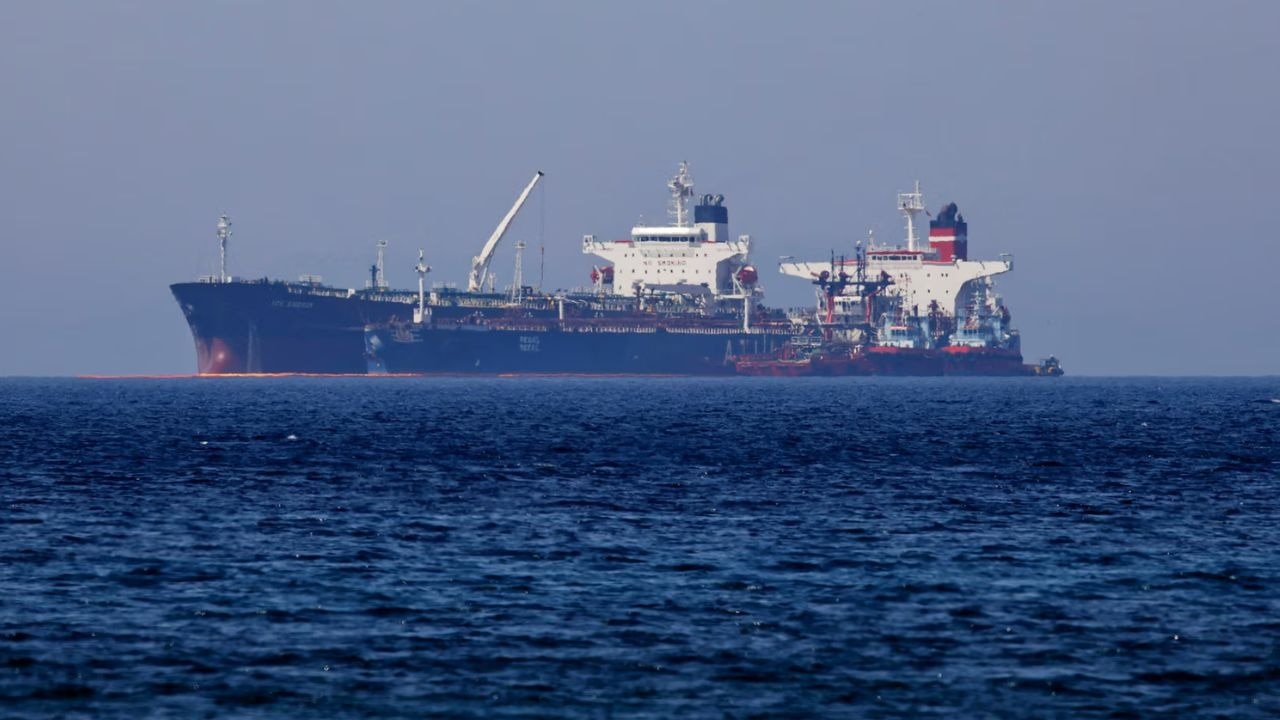
On that day, October 13, 2025, an Iranian tanker was headed home from Myanmar, where it had recently unloaded more than 16,000 tons of jet fuel under a cloak of electronic scrambling – enough for thousands more fighter jet sorties.
Illicit Iranian deliveries of jet fuel have powered an expansive bombing campaign by the Myanmar junta that has struck more than 1,000 civilian locations in 15 months, a Reuters investigation has found. Iran has also dispatched cargoes of urea, a key ingredient in the junta’s munitions, including the bombs it drops from drones and paragliders.
Taken together, the Iranian deliveries to Myanmar’s military have helped shift the dynamic of the five-year civil war, which pits the junta against an array of rebel groups, none of whom have a conventional air force or a ready supply of weapons as powerful as the bombs and missiles launched by fighter jets. And for Iran’s embattled government, the trade has brought in new revenue and influence as sanctions tighten and old allies lose power.
By the time the warplane swooped over Vanha and bombed the school, Myanmar’s air force had already received huge quantities of Iranian jet fuel. Two students died that day and 22 people were injured, according to one of the wounded, a man who was in the schoolyard, and Chin Human Rights Organization, which documents junta attacks in the region.
Most of the children were outside cleaning up the yard at the time, the injured man said, or the toll would have been far worse. Vanha’s dead were among at least 1,728 civilians killed in government airstrikes since the Iranian deliveries began, according to data compiled by Burma News International-Myanmar Peace Monitor, which tracks the conflict.


Amid a dire energy crisis triggered by the choking of the Strait of Hormuz, Islamabad has cancelled the celebrations and the parade scheduled for Pakistan Day. The March 23 observance will now be marked with "simplicity and dignity", said Pakistani PM Shahbaz Sharif's office, as fuel shortages and soaring costs hit the people hard.

A video featuring an Indian couple meeting briefly at a metro station in the UK has drawn attention to the realities faced by couples working opposite shifts abroad.


With Dhurandhar: The Revenge set for a March 18 release, the internet is abuzz with jokes and memes, especially about the film's nearly four-hour runtime.


A couple's decision to stage their pre-wedding photo shoot in a pond has gone viral, with the shoot's unusual setting sparking amusement online.

The President of Finland joined other global voices to suggest that India should mediate in the Iran-US-Israel war. Here's why India, a major economy with warm ties with Washington, Jerusalem, and Iran, and a heritage of non-alignment and strategic autonomy, might be the best bet to broker peace.

A Shillong school choir's lively rendition of Legends by The Score has gone viral, with students blending instruments and vocals in a classroom performance that won hearts online.

To support his argument, he also referred to the death of the former Supreme Leader, Ayatollah Ali Khamenei, in a US-Israeli strike on February 28. "Even the (Supreme) Leader was martyred, yet the system continued its work," he said.

Dr Pratibha Nikhar Juneja shares a heartfelt account of treating her former medical college teacher, describing the moment as both special and deeply meaningful.

The instruction from the university came as China seeks to boost birth rates, which dropped to a record low in 2025.

The Department of Homeland Security (DHS) is using posters with images of India's Taj Mahal to promise free tickets and a cash payout of $2,600 to undocumented immigrants who voluntarily deport themselves from the US. Ironically, a monument for love has been turned into one of hate for immigrants.

A viral video of a little girl insisting on getting a "Virat Kohli waala" jersey has caught Puma's attention, with the brand asking the internet to help find her and gift an official jersey.