BDA invites tenders for road works in NPKL using soil stabilisation method; residents raise quality concerns
The Hindu
BDA invites tenders for NPKL road works amid resident concerns over soil stabilisation method's quality and durability.
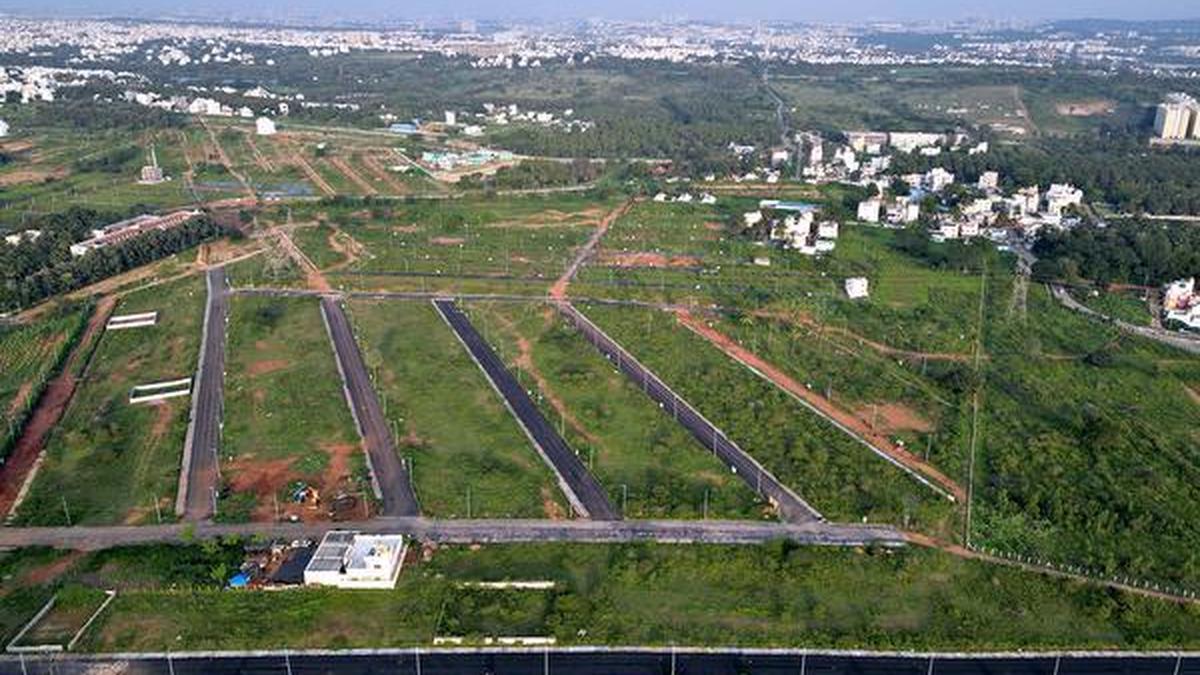
Even as concerns persist over the quality of earlier road works in Nadaprabhu Kempegowda Layout (NPKL), the Bangalore Development Authority (BDA) has already invited bids to construct internal roads in the remaining blocks using the soil stabilisation method.
Soil stabilisation is a technique in which the existing soil at the site is strengthened instead of being completely removed and replaced. The soil is mixed with aggregates and additives to form a firm base layer, which is then compacted. Once this base is prepared, an asphalt layer is laid on top to create the final road surface. While the method is recognised in engineering practice, several residents have questioned its durability, particularly during the monsoon, claiming that earlier stretches developed cracks and weakened within a short period.
According to BDA officials, the proposed works this time will cover 9-m, 12-m, and 15-m-wide internal roads across six blocks in the layout. The project is estimated to cost over ₹10 crore.
Residents, however, say experience has left them sceptical. “We have already seen what happened in the earlier blocks where the soil stabilisation method was used. Within months, cracks started appearing, and in some stretches, the surface began to wear out,” said Mahesh B.R., a resident. “When we are paying such high site costs, we expect durable roads, not methods that require constant patchwork”.
He added that the BDA should first conduct an independent quality audit of the roads already laid and make the findings public before proceeding further.
Shreya Nagaraj, another resident, said, “For years, we have been raising complaints because many roads have barely been usable. During the monsoon, some stretches turned slushy, making it risky even to walk or ride a two-wheeler”. She said the authority should prioritise fixing existing problem areas and engage with residents to understand the ground-level issues before taking up fresh works.


GHMC’s ₹345 crore flyover plan revives push for rail link to airport

A 26-year-old dairy owner was arrested for manufacturing adulterated dairy products during a raid in Banjara Hills, Hyderabad.

Visakhapatnam celebrated Holi with vibrant festivities, uniting families and communities along the Beach Road in joyful celebrations.

Kozhikode inaugurates new police station buildings and launches construction of the state's first rural jail, enhancing public safety.

Foundation stone laid for the Nilgiri Tahr Conservation Centre in Coimbatore, enhancing conservation efforts for Tamil Nadu's state animal.

CM A. Revanth Reddy urges improved road safety measures and health checks for drivers in Hyderabad.

Koniamman Temple's annual car festival in Coimbatore drew thousands of devotees, showcasing community spirit and religious unity.

BDA invites tenders for NPKL road works amid resident concerns over soil stabilisation method's quality and durability.

Delta Electronics India and TNSDC inaugurate a Robotics Centre of Excellence in Bargur, enhancing skills for a future-ready workforce.

Tiruchi Railway Division removes Hindi words from entrance arch after political backlash, respecting local sentiments and language concerns.

K.P. Unnikrishnan's final rites were conducted with state honors in Kozhikode, attended by prominent political figures.

Karnataka High Court releases two Nigerian nationals for procedural lapses but orders their immediate deportation for overstaying in India.

More than six years after the State government launched the ₹ 821.97 crore (revised cost) Jalasiri project to augment drinking water supply infrastructure in the city, it has achieved 63 % physical progress and 59.61 % financial progress, according to Karnataka Urban Infrastructure Development and Finance Corporation (KUIDFC) which is implementing the project for Mangaluru City Corporation (MCC)