‘The Kerala Story 2 Goes Beyond’ movie review: Communal rhetoric masquerading as a cautionary tale
The Hindu
Better performed than the original, director Kamakhya Narayan Singh prioritises manipulation and polarisation over plot and dialogue in this strident sequel
The history of cinema tells us that in propaganda films, women are frequently depicted as vulnerable victims to generate fear, suspicion, or hatred toward a targeted community or minority group that is framed as an enemy. If Gadar and Dhurandhar prototypes seek to win over the foe’s female, The Kerala Story is about guarding ‘our’ girls from falling into ‘their’ trap.
While the original was about the alleged coercion of non-Muslim women in Kerala into converting to Islam and joining the Islamic State through manipulative relationships and indoctrination, the sequel goes beyond Kerala to the Hindi heartland but employs the same device to exploit protective patriarchal instincts to frame the ‘other’ as an existential threat to family, honour, purity, and society itself.
By portraying women as innocent, gullible, or endangered, the film mobilises outrage and gradually justifies hostility, discrimination, or even violence against the demonised group. It depicts the Muslims ghettos as dark holes where ‘our’ daughters would be sucked in.
A textbook example of polarising cinema that sees audiences as Hindus and Muslims, the film follows three parallel narratives of Hindu women who enter relationships with Muslim men, leading to manipulation, forced religious conversion, and severe consequences. For a message where parents need guidance, the UA certificate baffles.
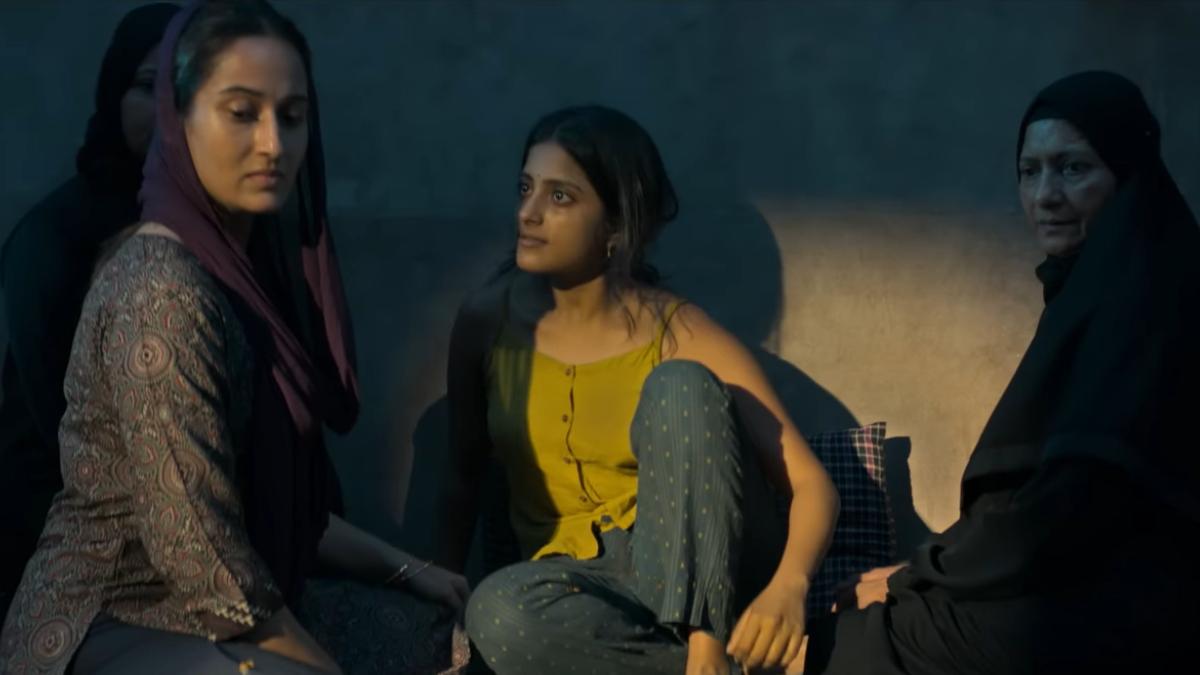
A still from the film | Photo Credit: Sunshine Pictures
Surekha (Ulka Gupta), a liberal, progressive woman from Kochi, falls in love with Salim, a married journalist who presents himself as liberal but later reveals his true intentions. Divya (Aditi Bhatia), a young dancer and social media enthusiast from a conservative family in Jodhpur, rebels against her parents’ restrictions and falls for Rasheed, who promises her freedom to pursue her passion, only to betray her. Similarly, Neha (Aishwarya Ojha), an ambitious, Dalit javelin thrower from Gwalior, is lured by Faizan, who hides his identity and promises to support her career. However, once the relationship begins, he exploits her trust.


Chief Minister Chandrababu Naidu launches HPV vaccination campaign amid rising cancer cases in Andhra Pradesh, targeting 3.45 lakh girls.

Better performed than the original, director Kamakhya Narayan Singh prioritises manipulation and polarisation over plot and dialogue in this strident sequel

The 7th Marathi-Malayali Ethnic Fest in Mumbai celebrated cultural harmony through art, literature, and vibrant performances by diverse artists.

Injured wild elephant spotted in Anakkulam; forest officials are tracking it to provide necessary medical care.

Zilla Panchayat Chief Executive Officer K.R. Nandini has issued strict instructions to wardens to take necessary steps to improve the SSLC examination results of students residing in hostels run by the Social Welfare Department and the Backward Classes Welfare Department.

Devotees can now view the rare fig wood Perumal idols at Kumbakonam temple after 12 years of safekeeping.

Karnataka sees a surge in snakebite cases in 2025, with Shivamogga reporting the most cases and Koppal the highest fatalities.

Chennai Corporation delays permanent street dog shelters due to financial issues, while constructing temporary facilities to address public safety concerns.

Vice-President C.P. Radhakrishnan highlights lifelong learning and indigenous technology at St. Berchmans College centenary celebration.

Anita Mendiratta emphasizes Telangana's potential in tourism by highlighting its unique culture, food, and community experiences as key assets.

NPDCL clocks highest-ever peak power demand on Saturday

A Bengaluru homemaker lost ₹12.74 lakh in an online investment scam promising high returns through social media.

Governor R.N. Ravi presides over Tamil Nadu Dr. Ambedkar Law University convocation, awarding degrees to 16,571 graduates.