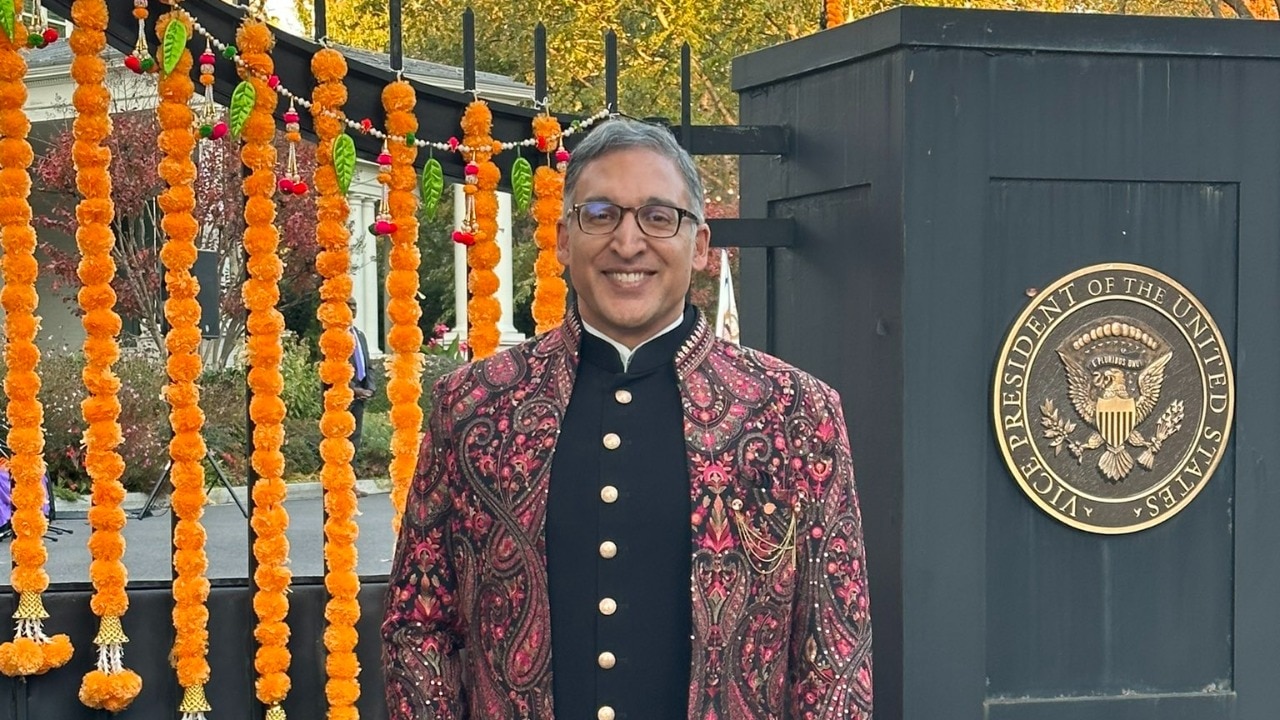
The Indian-origin lawyer behind Trump's tariff setback in US court
India Today
Neal Katyal, a former Acting Solicitor General of the US and author, has emerged as a central figure in the Supreme Court case that struck down Trump's global tariffs. Who is he?
The US Supreme Court may have given Donald Trump one of the biggest setbacks of his second term by striking down his favourite tariffs. But at the heart of the blow was the deft arguments made by an Indian-origin lawyer who has emerged as a pivotal figure in the landmark Supreme Court judgment that has left Trump furious. Meet Neal Katyal, a former Acting Solicitor General of the US and author, who represented a group of small businesses before the court and came out with a "complete and total victory" in his own words.
After the 6-3 Supreme Court ruling, Katyal, 55, said the order underscored an important message -- presidents are powerful, but the US Constitution is more powerful still. "Today, the US Supreme Court stood up for the rule of law and Americans everywhere. In America, only Congress can impose taxes on the American people," Katyal tweeted.
In an interview, Katyal, who is currently a partner at Milbank LLP, highlighted a crucial aspect -- two of President Trump's three judge appointees voted against him in the case.
But who is Neal Katyal, whose legal challenge handed the mother of setbacks for Trump?
Katyal was born on March 12, 1970, in Chicago to Indian immigrants -- Pratibha (doctor) and Surender (engineer). He completed his graduation from Dartmouth College and then pursued further studies at the high-profile Yale Law School. His command of security laws and constitutional matters caught the attention of Justice Stephen Breyer of the US Supreme Court. Katyal worked as a clerk under him for a few years.
His major break came when he was appointed as the Acting Solicitor General by President Barack Obama in 2010. During his tenure, he argued more than 50 cases before the Supreme Court. Neal Katyal was born on March 12, 1970, in Chicago to Indian immigrants


"BRICS is representing the global South—half of humanity." Brazil's President Luiz Inácio Lula da Silva reveals why this alliance terrifies the West and how it will reshape the 21st century world order.


A US influencer shared a unique hack to wash underwear using a hotel coffee maker, which sparked mixed reactions over hygiene concerns and travel convenience.

AI pivotal for global growth but should be regulated to protect women, children: Brazil's Lula

Two boats collided near Dhari Devi Temple on the Alaknanda River in Uttarakhand, captured in a now-viral video which sparked urgent calls for improved boating safety measures.

A tragic mountaineering accident on Austria's highest peak ended in a fatality and a rare criminal conviction for manslaughter.

A nearly 7-foot Indian rat snake was found resting on top of an air-conditioning unit at an airport in Mumbai, causing panic among locals and viewers in a now-viral video shared on social media.

A wedding in Uttar Pradesh was called off after a dispute over the groom's family beating up the bride's pet dog led to a violent clash between families.

After a dismal performance in the recent Bangladesh election, Nahid Islam, NCP convenor and anti-Sheikh Hasina protest leader, has resorted to allegations as if to justify the party's poor show. Nahid claimed that the election results had been manipulated, and the victorious BNP colluded with India and Hasina's Awami League.

In a post on X, Kunal Kapoor, known for his films such as Rang De Basanti and Aaja Nachle, said, "The man who cleans our cars asked me for a loan. And our house help of many years told us she might leave next year."

Tarique Rahman's 1st India move: Restores visa services in Delhi

Meet Pujarini Pradhan - a small-town woman from rural Bengal whose quiet, English-spoken glimpses of everyday village life have turned simplicity into a following of over half a million on Instagram.