Bengaluru techie builds AI-powered fan that auto-adjusts speed based on sleep posture
India Today
A Bengaluru techie developed an AI-powered fan that adjusted the speed automatically based on how he slept, which offers a personalised comfort solution and showcased practical AI applications in smart homes.
A Bengaluru techie shared how he built an AI-powered “roommate” that adjusted his ceiling fan automatically based on how he slept in a now-viral post on social media.
The innovation was shared by software engineer Pankaj, who goes by the handle @the2ndfloorguy on X. In his post, he explained that he was “tired of waking up at 3 am either sweaty or freezing,” which led him to train his system to monitor his sleep posture and control the fan accordingly.
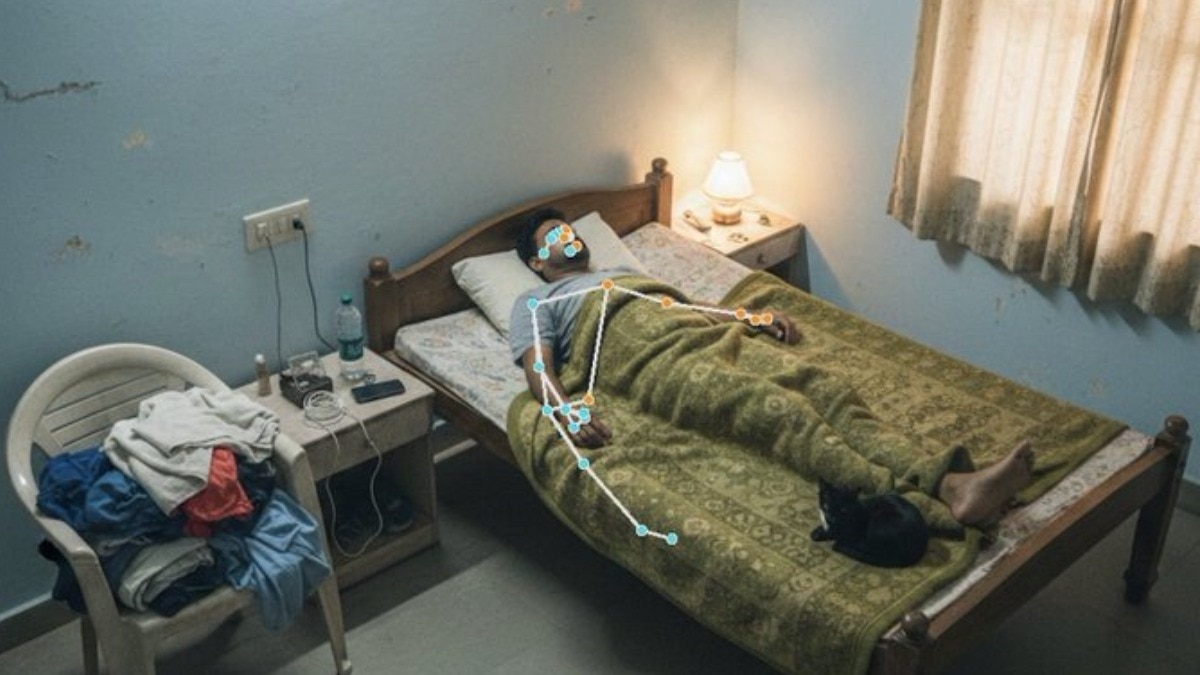
He claimed that if his arms or legs were sticking out from under the blanket, the system interpreted that as him feeling hot, and switched the fan on. If his arms were curled up, suggesting he’s cold, the fan turned off.
The setup used a remote button pusher device that physically presses the fan switch after receiving signals from his system.
He then detailed that the system ran a MediaPipe pose vision model on his Raspberry Pi home server. It detected his sleeping position in real time and sent commands to activate or deactivate the fan. “That’s it,” he wrote, calling it what a “real smart home” looks like.
The accompanying image showed a modest bedroom setup with a camera overlay marking body joints and a label reading “FAN_ON ratio=2.32,” visually demonstrating how the system tracked pose detection.


A US influencer shared a unique hack to wash underwear using a hotel coffee maker, which sparked mixed reactions over hygiene concerns and travel convenience.

AI pivotal for global growth but should be regulated to protect women, children: Brazil's Lula

Two boats collided near Dhari Devi Temple on the Alaknanda River in Uttarakhand, captured in a now-viral video which sparked urgent calls for improved boating safety measures.

A tragic mountaineering accident on Austria's highest peak ended in a fatality and a rare criminal conviction for manslaughter.

A nearly 7-foot Indian rat snake was found resting on top of an air-conditioning unit at an airport in Mumbai, causing panic among locals and viewers in a now-viral video shared on social media.

A wedding in Uttar Pradesh was called off after a dispute over the groom's family beating up the bride's pet dog led to a violent clash between families.

After a dismal performance in the recent Bangladesh election, Nahid Islam, NCP convenor and anti-Sheikh Hasina protest leader, has resorted to allegations as if to justify the party's poor show. Nahid claimed that the election results had been manipulated, and the victorious BNP colluded with India and Hasina's Awami League.

In a post on X, Kunal Kapoor, known for his films such as Rang De Basanti and Aaja Nachle, said, "The man who cleans our cars asked me for a loan. And our house help of many years told us she might leave next year."

Tarique Rahman's 1st India move: Restores visa services in Delhi

Meet Pujarini Pradhan - a small-town woman from rural Bengal whose quiet, English-spoken glimpses of everyday village life have turned simplicity into a following of over half a million on Instagram.

The now-viral video showed both the Thar and tempo halted side by side on a tight mountain stretch, with the drivers apparently arguing over who should move first.

Women are treated in the new penal code as being on the same level as "slaves", with provisions allowing either "slave masters" or husbands to administer discretionary punishment, including beatings, to their wives or subordinates. This aspect of the code has drawn particular alarm from rights groups.