Taliban legalises domestic violence, permits beatings till no bones broken
India Today
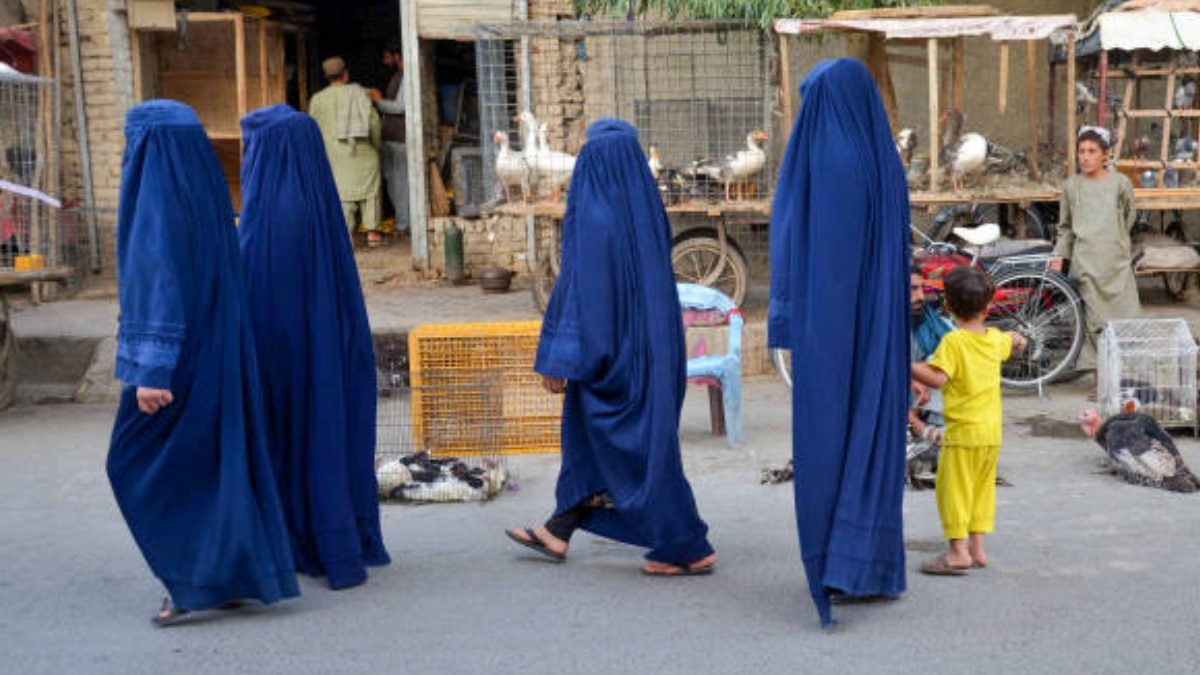
Women are treated in the new penal code as being on the same level as "slaves", with provisions allowing either "slave masters" or husbands to administer discretionary punishment, including beatings, to their wives or subordinates. This aspect of the code has drawn particular alarm from rights groups.
A newly introduced penal code in Taliban-ruled Afghanistan has sparked outrage and alarm among women’s rights groups. The law reportedly equates women with “slaves” and permits husbands and so-called “slave masters” to physically punish them, provided no bones are broken, or "open wounds" are inflicted, formalising sweeping restrictions under the regime.
Another provision of the penal code reportedly classifies society into multiple tiers, with punishments differing based on one’s position within this hierarchy.
The code reportedly distinguishes punishments based on whether a person is deemed “free” or a “slave,” creating what experts describe as a rigid, caste-like hierarchy within Afghan society.
Under the 90-page document, signed by the group’s supreme leader, Hibatullah Akhundzada, religious leaders are placed at the top, followed by elites, the middle class, and the lower class.
The new caste-based system means that if a religious scholar commits a crime, the maximum consequence is a warning or "advice". Members of the social elite may receive advice and potentially a court summons, while those in the middle class can face imprisonment. For the lower class, punishments can include both imprisonment and corporal punishment.
Women are treated in the code as being on the same level as "slaves", with provisions allowing either "slave masters" or husbands to administer discretionary punishment, including beatings, to their wives or subordinates. This aspect of the code has drawn particular alarm from rights groups.


I threatened India, Pak with 200% tariffs to secure truce, Shehbaz Sharif said I saved 25 million lives: Trump

The packet containing 100 grams of gold jewellery belonged to Ashok Sharma, who had by mistake sold it during a Diwali clean-up.

In 2011, Virginia Roberts Giuffre came out in the open and alleged that, as a teenager, she was groomed, sexually abused, and trafficked by Jeffrey Epstein and Ghislaine Maxwell to powerful men — most notably Prince Andrew.

K-pop singer Aoora offered prayers at a Chennai temple for Mahashivratri, impressing devotees by singing the Shiva Tandav stotram with perfect fluency.


A video showing a man allegedly giving beer and a cigarette to a child has sparked outrage online. People have demanded strict action against the man.

The arrest marked the gravest legal crisis yet for Andrew Mountbatten-Windsor, whose long-standing association with child sex offender Jeffrey Epstein has already cost him royal titles and place within the monarchy.

A now-viral video from an Indian Railways general coach shows a passenger using an exposed wire to charge his phone.

The Foreign Ministry's typo-ridden statement on Shehbaz Sharif's US visit drew online ridicule, reviving memories of past digital blunders as the Pakistani Prime Minister attended the Board of Peace meeting in Washington.

A husband shared a touching video of his wife's romantic candlelight dinner surprise at home, and praised her for her efforts in a now-viral video.

At least 37 people were killed and 26 others were hospitalised following a toxic gas leak at a mine in Nigeria. The country's government has closed the mining site following the incident and an investigation is underway.

A video of staffers dancing in an Amazon India office has been used by the MAGA crowd in the US to attack the offshoring of jobs by American companies. Several users on X complained that while Americans were being laid off in the US by Amazon, their colleagues in India were celebrating.

A man was spotted collecting uneaten food from a pile of trash to feed stray cows and dogs in Delhi. His simple act received a whole lot of love and praise from social media users.