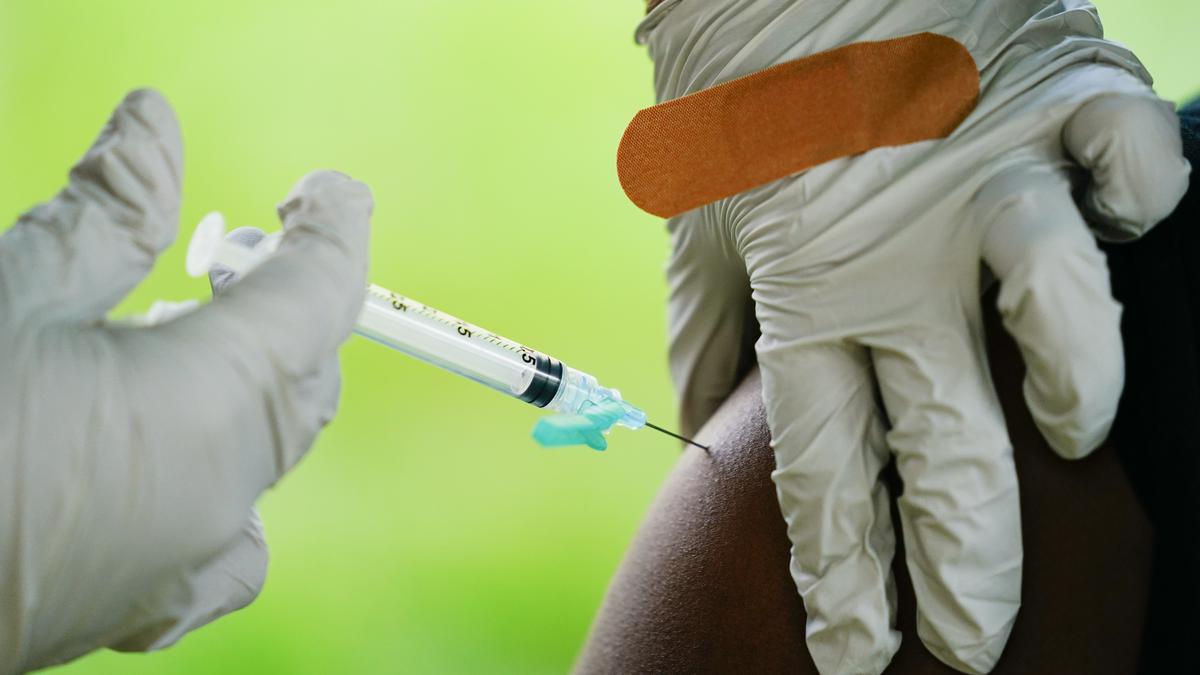
Long-acting injectable PrEP is a big step forward in HIV prevention
The Hindu
Long-acting cabotegravir was found to be almost 100% effective at preventing HIV.
One year ago, the United States approved a new injectable drug that prevents HIV.
After successful clinical trials, long-acting cabotegravir was found to be almost 100% effective at preventing HIV. It was approved in the US on December 20, 2021, for use as HIV pre-exposure prophylaxis (PrEP). This approval means that eligible individuals can now receive this medication every eight weeks to prevent sexually-acquired HIV infection.
However this new drug, which would help address some of the ongoing challenges with HIV prevention for those who remain at high risk, is still not available in Canada.
The number of new HIV infections has not changed much over the past couple of decades and approximately 13% of people living with HIV in Canada are undiagnosed. This demonstrates the need for more HIV prevention strategies.
While long-acting injectable PrEP is new, oral PrEP — a pill taken either daily or around sexual activity — was approved in the US back in 2012. Canada only approved oral PrEP in 2016. And we are once again falling behind the US on making injectable PrEP available here.
Oral PrEP already reduces the risk of HIV by almost 100% when taken consistently, but recent clinical trials show that injectable PrEP is even more effective. The main advantage of injectable PrEP is that going for injections every two months is a lot easier to remember than taking pills every day, or taking pills before and after sexual activity. The switch from oral pills to injectable shots means that individuals can more easily maintain adherence, which impacts the overall effectiveness of PrEP as HIV prevention.
Also Read | Researchers report patient of HIV cured after stem cell transplant


CPI-M accepts DMK's five-seat offer for Tamil Nadu Assembly elections, prioritizing INDIA bloc unity over seat demands.

Ricky Rai, son of former underworld operative Muthappa Rai, on Monday appeared before the Bengaluru Traffic Police for questioning in connection with a case involving a Lamborghini performing dangerous stunts at Anil Kumble Circle on March 21.

The Dispur election heats up as 'CongBJP' defections shape a high-stakes contest between veteran candidates from BJP and Congress.

Bengaluru's M. Chinnaswamy Stadium conducts readiness drill ahead of IPL 2026, ensuring upgrades and technical preparations are complete.

First-level randomisation of EVMs completed in Nagapattinam for upcoming elections, ensuring transparency and security.

A district-level committee in Krishnagiri has been formed to assess and verify seizure claims of goods and cash.

Minister Anam Ramanarayana Reddy pledges government support for local fishermen and farmers facing challenges in Andhra Pradesh.

MP M. Sribharat urges collective efforts to revive Visakhapatnam Steel Plant, highlighting key reforms for crucial recovery and growth.

141 candidates have filed nominations for Kozhikode's Assembly elections, with scrutiny on March 24 and campaigning intensifying.

BJP's Vijayendra accuses Congress of using money to influence Bagalkot bypolls, urging voters to reject their tactics.

First randomization of electronic voting machines completed in Tirunelveli and Tenkasi districts for upcoming Assembly elections.

RPF seizes 10.12 kg of unclaimed cannabis worth ₹5.06 lakh from a train in Mangaluru.

Kolar's groundwater levels rise to 50-100 ft due to the K.C. Valley project, ensuring clean water and improved health outcomes.