How six years of gender clinics in T.N. have improved access to healthcare for transpersons Premium
The Hindu
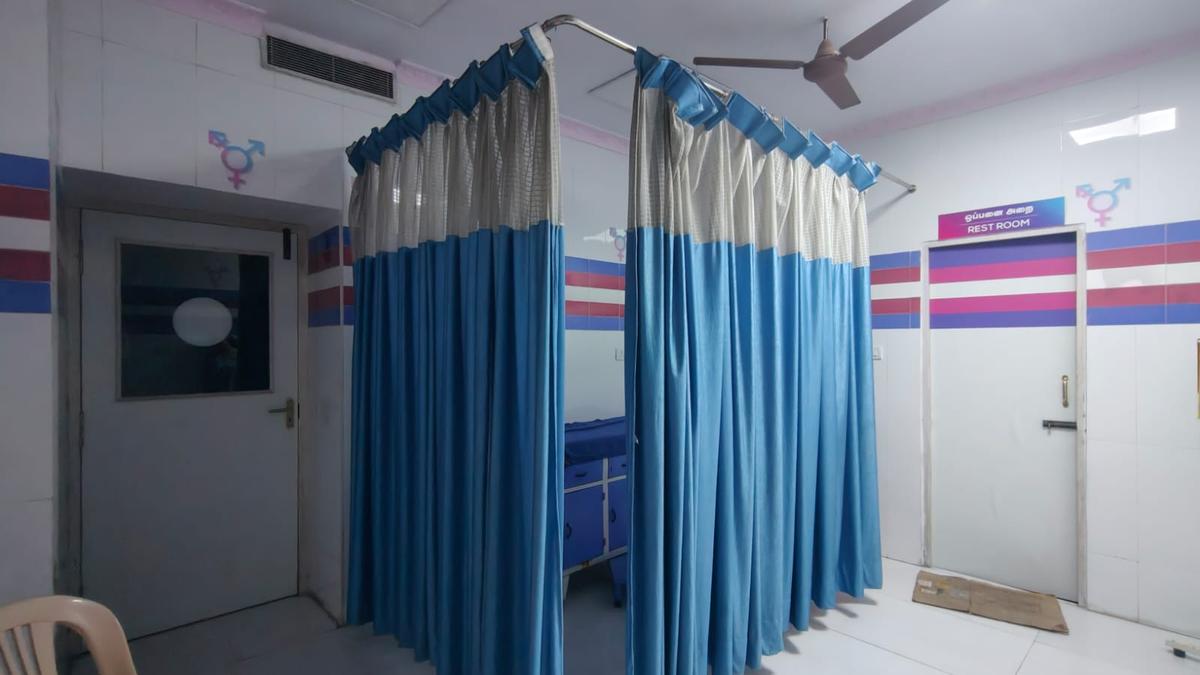
Gender clinic at RGGGH in Chennai offers free gender affirmation surgeries and hormone therapy for transgender individuals.
John (name changed), a 28-year-old transman, felt a wave of nervousness as he walked into the gender guidance clinic for transgender persons at Chennai’s Rajiv Gandhi Government General Hospital (RGGGH). But that anxiety soon gave way to relief. At the clinic, he underwent a series of counselling sessions and medical consultations with a team of doctors before proceeding with gender affirmation surgery.
“The doctors at RGGGH were very friendly. They made me feel comfortable throughout the surgery and recovery,” says Mr. John, who got a mastectomy. “I can’t even feel the stitches now. More importantly, I feel more like myself.”
In 2019, Tamil Nadu became the second State in the country, after Kerala, to set up a clinic exclusively for transgender people at RGGGH, and later, at Government Rajaji Hospital in Madurai, offering free gender affirmation surgeries. In fact, RGGGH had been performing free surgeries for transpersons since 2009, but they were conducted as part of general outpatient services. “The gender clinic ensures that all services are available under one roof, so transpersons don’t have to go from one place to another to receive gender-affirming care,” says M. Sugumar, head of the plastic surgery department at RGGGH, who is also in charge of the gender clinic. His team includes Senthil Kumaran, assistant professor in the department of plastic Surgery at RGGGH, and a postgraduate resident.
As of 2024, the hospital has performed 171 gender affirmation surgeries for transmen and women, which include penectomies, breast implants, and mastectomies, among other procedures. More than 1,500 trans persons have sought care at the clinic, as of 2024. There was a drop in the number of surgeries during the COVID-19 pandemic, as most outpatient services were shut. However, since then, the number of surgeries has increased, says Dr. Sugumar. He attributes this rise to the progressive policies of the State government, as well as growing awareness and education within the transgender community.
The clinic, which operates on Fridays from 9 a.m. to 1 p.m., houses a psychiatrist, an endocrinologist, a venereologist, a physician, and plastic surgeons. “A transperson who visits the clinic is first referred to the psychiatrist. After several rounds of counselling, the endocrinologist evaluates the hormonal aspects, and the physician, the physical aspects. The venereologist ensures the person’s sexual health, and the plastic surgery department performs the surgery,” explains Dr. Sugumar. Each surgery may cost between ₹1.5 lakh to 3 lakh in private hospitals.
Trans people aged 18 and above are eligible for surgery, but doctors work with them for about a year to ensure they are certain about proceeding, as the surgery is difficult to reverse. “It’s a time-consuming process, but it’s necessary. Doctors need to ensure we are fully prepared for surgery,” points out Mr. John, an accountant.
However, Jaya, a transgender activist and general manager of Sahodaran — an NGO that works for the welfare of the LGBTQIA+ community — says the length of the process can be a barrier for many in the community, especially those who have left their natal families in order to undergo surgery. “Some transpersons may have left their homes with very little savings to support themselves during the process. While due diligence is important, there should be better mechanisms in place to support transpersons during this period of transition,” she adds.


CPI-M accepts DMK's five-seat offer for Tamil Nadu Assembly elections, prioritizing INDIA bloc unity over seat demands.

Ricky Rai, son of former underworld operative Muthappa Rai, on Monday appeared before the Bengaluru Traffic Police for questioning in connection with a case involving a Lamborghini performing dangerous stunts at Anil Kumble Circle on March 21.

The Dispur election heats up as 'CongBJP' defections shape a high-stakes contest between veteran candidates from BJP and Congress.

Bengaluru's M. Chinnaswamy Stadium conducts readiness drill ahead of IPL 2026, ensuring upgrades and technical preparations are complete.

First-level randomisation of EVMs completed in Nagapattinam for upcoming elections, ensuring transparency and security.

A district-level committee in Krishnagiri has been formed to assess and verify seizure claims of goods and cash.

Minister Anam Ramanarayana Reddy pledges government support for local fishermen and farmers facing challenges in Andhra Pradesh.

MP M. Sribharat urges collective efforts to revive Visakhapatnam Steel Plant, highlighting key reforms for crucial recovery and growth.

141 candidates have filed nominations for Kozhikode's Assembly elections, with scrutiny on March 24 and campaigning intensifying.

BJP's Vijayendra accuses Congress of using money to influence Bagalkot bypolls, urging voters to reject their tactics.

First randomization of electronic voting machines completed in Tirunelveli and Tenkasi districts for upcoming Assembly elections.

RPF seizes 10.12 kg of unclaimed cannabis worth ₹5.06 lakh from a train in Mangaluru.

Kolar's groundwater levels rise to 50-100 ft due to the K.C. Valley project, ensuring clean water and improved health outcomes.