Heat island push to city’s scorching summer temperature Premium
The Hindu
Bengaluru's worsening Urban Heat Island effect due to deforestation and infrastructure projects threatens residents' well-being.
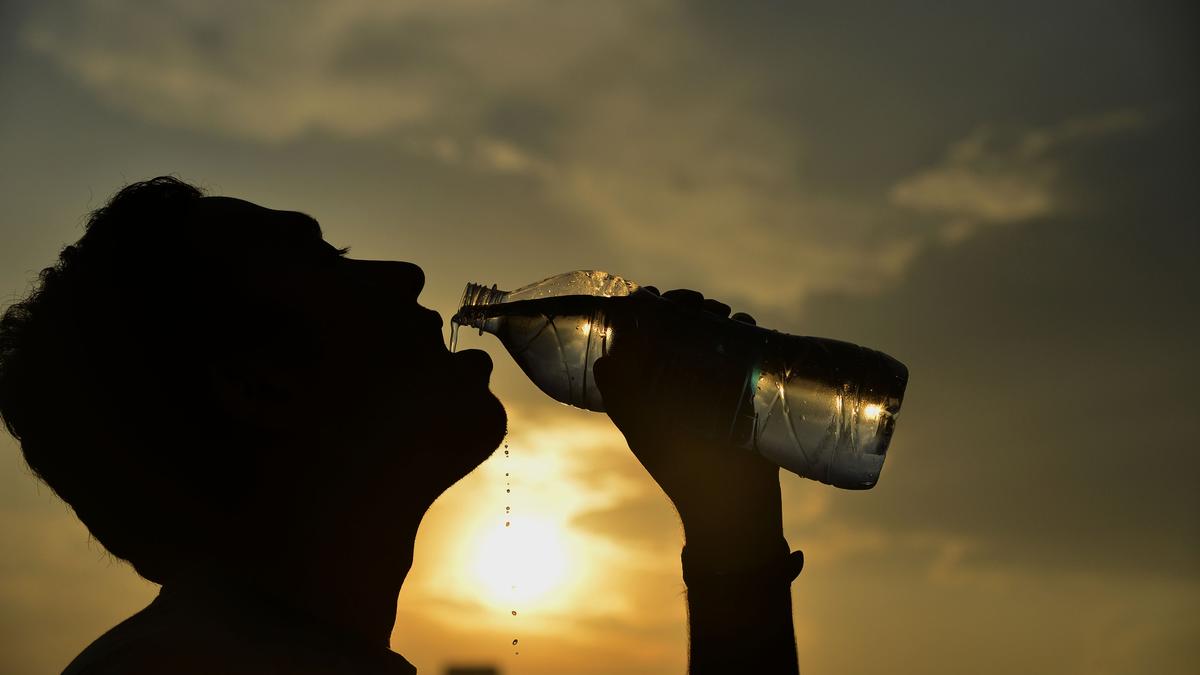
On a record-breaking spree, the scorching summer heat in Bengaluru feels particularly intense this year for a specific reason: Its Urban Heat Island (UHI) effect has gotten worse, amplified by a widening network of white-topped roads, tree-less layouts, glass-façade highrises and heat-absorbing infra projects. The hottest day of the year on March 14 at 35.4°C could just be the start.
It is mid-April now and the enhanced UHI effect could take the intense heat to record levels this month. Last year, the maximum for the month had hit 38.5° C, less than a degree lower than the highest-ever temperature recorded for April in Bengaluru city: 39.2° C on April 25, 2016. The city’s once-celebrated green cover has depleted dramatically, trapping heat in more localised areas than ever before.
Typically, the UHI effect retains heat within urban areas and halts its dissipation. Heat-absorbing material in both buildings and concrete infrastructure aids this phenomenon significantly. Research shows that the temperature within the UHI areas could be 3 to 5 degrees higher than the surroundings, dramatically worsening citizens’ lives. Bengaluru’s continuing loss of trees and water bodies has only aggravated this trend.
The Bengaluru Metro Rail Corporation Limited (BMRCL)’ s Namma Metro Phase 3 Detailed Project Report (DPR) has lined up a total of 11,137 trees to be felled, making way for two corridors of 44.65 km. But, as environmentalist and legal activist Dattatreya Devare says, there is no information about the location of these trees.
Compensatory plantation is the standard response for the loss of tree cover due to infrastructure projects. But Devare contends that these plants should be planted on the roadside and not in Nelamangala, Gouribidanur or Kolar. “Every quarter, the BMRCL was supposed to submit a report to the court on the compensatory tree plantation for the number of trees cut. They did not submit for almost one and a half years. On a court order, they last submitted a report in September 2024. Two quarters are over now, we are constantly reminding them,” he explains.
The agencies, he points out, argue that there is no space in the city. “I told them there is enough space on the roadsides. Finally, after our continuous efforts, the BBMP (Bruhat Bengaluru Mahanagara Palike) gave an affidavit in the court that in 2025-26, they will plant some 50,000 saplings which can now be taken by BMRCL. Let us see what they do, we are after them.”
Decades of research, both domestic and global, have clearly established the link between green cover and urban temperatures. There is also an existing blueprint on preparatory measures, as articulated by the Karnataka State Heat Wave Action Plan 2023-24. Under city-level medium/long-term measures, the Plan mandates a heat wave risk and vulnerability map for developing a strategic mitigation action plan.


The government plans to amend the FCRA, introducing new regulations for NGO asset management and accountability for key functionaries.

The draft policy for “Responsible Digital Use Among Students”, released on Monday by the Department of Health and Family Welfare, has recommended that parents set structured routines with clear screen-time rules and prioritise privacy, safety, and open conversation with children on digital well-being.

Police Observer Sushant Kumar Saxena conducts surprise inspection at Shencottai police station, reviewing warrants and security arrangements ahead of elections.

Andhra Pradesh government to launch key projects in April, focusing on industrial growth and infrastructure development, says Nara Lokesh.

Lok Sabha refers the Corporate Laws (Amendment) Bill to a JPC amid opposition concerns over CSR provisions dilution.

SHG members in Kanniyakumari use snakes and ladders to raise election awareness and boost voter turnout.

Government accelerates consultations for early implementation of the Women’s Reservation Act to ensure women’s representation in 2029 elections.

CM A. Revanth Reddy distributes ₹1 crore insurance cheques to families of deceased Electricity department employees, enhancing financial security for workers.

The Bengaluru Traffic Police (BTP) registered 634 cases of drunk driving during a week-long special enforcement drive conducted across the city between March 16 and March 22.

GHMC intensifies action against property tax defaulters, seizing properties and offering a One Time Settlement scheme for payments.

CCB arrests three drug peddlers in Mangaluru, seizing ₹2.5 lakh worth of MDMA and other valuables.

TVK's 28 candidates in Puducherry include former BJP MLAs, a sitting Independent, and a retired police IG.

BRS submits notice on private member bill to Speaker