‘Cinema pe Cinema’ and ‘Swaha’: Stories of survival at Habitat
The Hindu
The 10-day Habitat Film Festival, starting from May 16 in New Delhi, spotlights feature films, shorts and documentaries in 24 languages
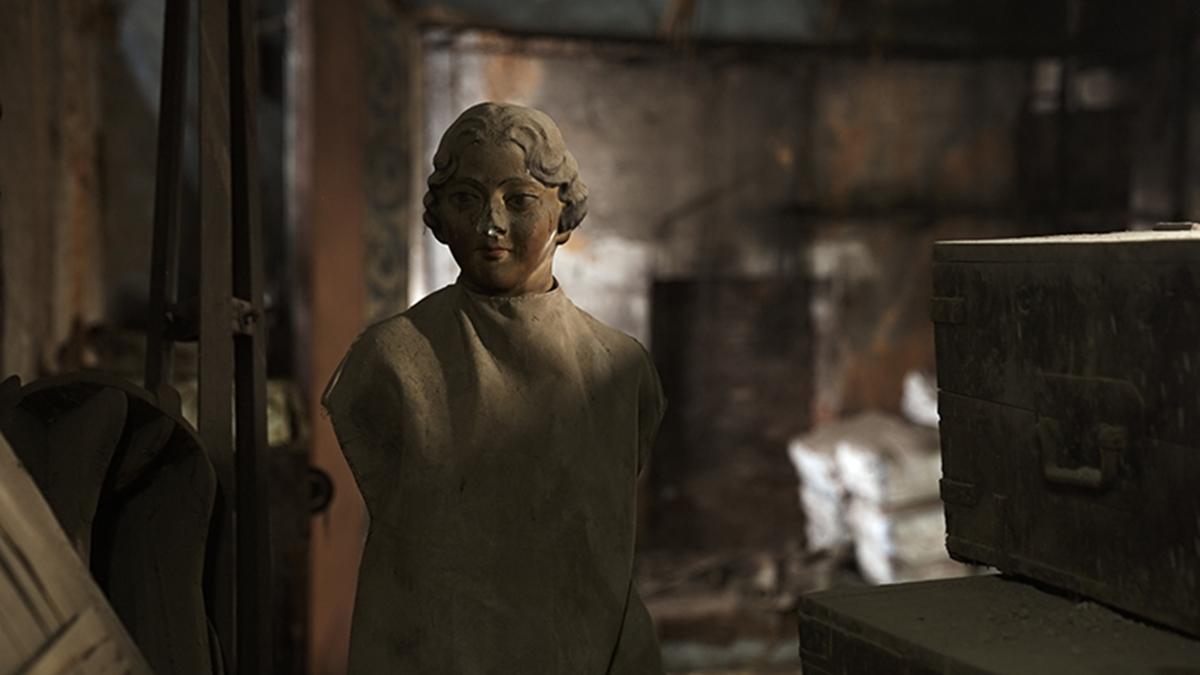
As reports of theatres turning into battlegrounds emerged during the Chhaava wave, we observed with consternation how the outside world impacts the audience behaviour inside. Filmmaker Vani Subramanian’s latest documentary, Cinema Pe Cinema: The Theatres. The Movies. And Us explores this ‘inside-outside’ conundrum. To be screened at the Habitat Film Festival from May 16 to 25, it starts as a memory-scape of women and men whose lives have been touched by single-screen cinemas, but along the way, it seeks to question who is “occupying our theatres.”
Having been interested in the social architecture of spaces for a long time, Vani says, “all spaces are political and complex. We talk about front stall, middle stall, and balcony, but it also means different classes of people.” The multiplex, she says, made this division all the more stark, as “we are not comfortable sharing space with our house’s helpers and drivers.”
Cinema Pe Cinema celebrates the nostalgia of a single-screen theatre but also reminds us that it is a real space. “It is also a space where reality plays itself out and reality is complex,” says Vani, remembering the charged atmosphere during the screening of The Kashmir Files.
“I feel an inside-outside atmosphere where people are always connected. Mumbai was centred around migration; with outsiders taking up jobs, the tension was also reflected inside theatres. If there was anxiety in society regarding homosexuality, it found an expression in theatres at the time of Deepa Mehta’s Fire.”
These days, Vani says, the connection is sharper. “It has become a slightly more fragile space now. If there is a heightened nationalist sentiment outside, we see instances of the audience beating up a person who doesn’t stand up for the national anthem. If I were a Kashmiri Muslim, I don’t think I would go to watch The Kashmir Files in a theatre.”
The film records the romance of single-screen theatres as spaces of our collective joys and catharsis; the boos and wows that used to light up the darkness. Vani says she wants the youth to see what a shared public space is like. “These days, our shared spaces have become mostly virtual. We don’t go to fairs; we rarely visit markets, because most utilities are delivered to our homes. That, I feel, cuts out the possibilities of understanding each other.”
She agrees that the kind of cinema dubbed “generic” by liberal film critics used to bring people from different classes under one roof. The tyranny of taste pushed the subaltern towards Bhojpuri and dubbed cinema downloaded on mobile


Gaurav Gogoi files nomination for Jorhat Assembly seat, marking his electoral debut in the upcoming Assam elections.

A round-up of events and programmes held at colleges in Tiruchi and other Cauvery delta districts

CPI(M) and Congress clash over accusations of aiding BJP, threatening the LDF-UDF duopoly ahead of Kerala Assembly polls 2026.

Shivamogga veterinarians demand accountability for the death of trainee vet Dr. Sameeksha Reddy, citing systemic failures in zoo administration.

BJP launches 'Mana Ooru–Mana Jenda' campaign on April 6 to strengthen grassroots connections and promote development in Andhra Pradesh.

Anuradha Jonnalagadda took over as in-charge Vice-Chancellor of the University of Hyderabad, focusing on continuity during the transition.

Telangana government awaits committee report on TGSRTC staff absorption, with decisions to be made at an appropriate time.

Telangana's revised pay scale implementation for employees will take timer. The tenure of Pay Revision Commission extended. Govt likely to take decision on reccomendation based on its report.

Vizianagaram's SP A.R. Damodar highlights 20 accident-prone areas and urges drivers to prioritize safety with helmets and seat belts.

Kerala HC stays disqualification of SNDP Yogam leaders, reversing a single judge's order regarding financial and regulatory compliance issues.

Karnataka announces daily supply of 10,000 LPG cylinders to hotels, easing the commercial shortage for the hospitality industry.

Malayalam superstar Mohanlal will be reuniting with filmmaker Priyadarshan, it was announced recently. It will mark the 100th film of Priyadarshan and is backed by Mohanlal’s longtime collaborator, Antony Perumbavoor

Gautham Vasudev Menon loses Madras High Court appeal, ordered to pay ₹4.25 crore to R.S. Infotainment with interest.