An European musicologist analyses the Indian Music Experience
The Hindu
Andreas Meyer, a German ethnomusicologist, shares his thoughts on the Indian Music Experience and its relevance
When veteran German ethnomusicologist Andreas Meyer first visited the Indian Music Experience (IME) museum in Bengaluru, late last year, his initial reaction was one of familiarity.
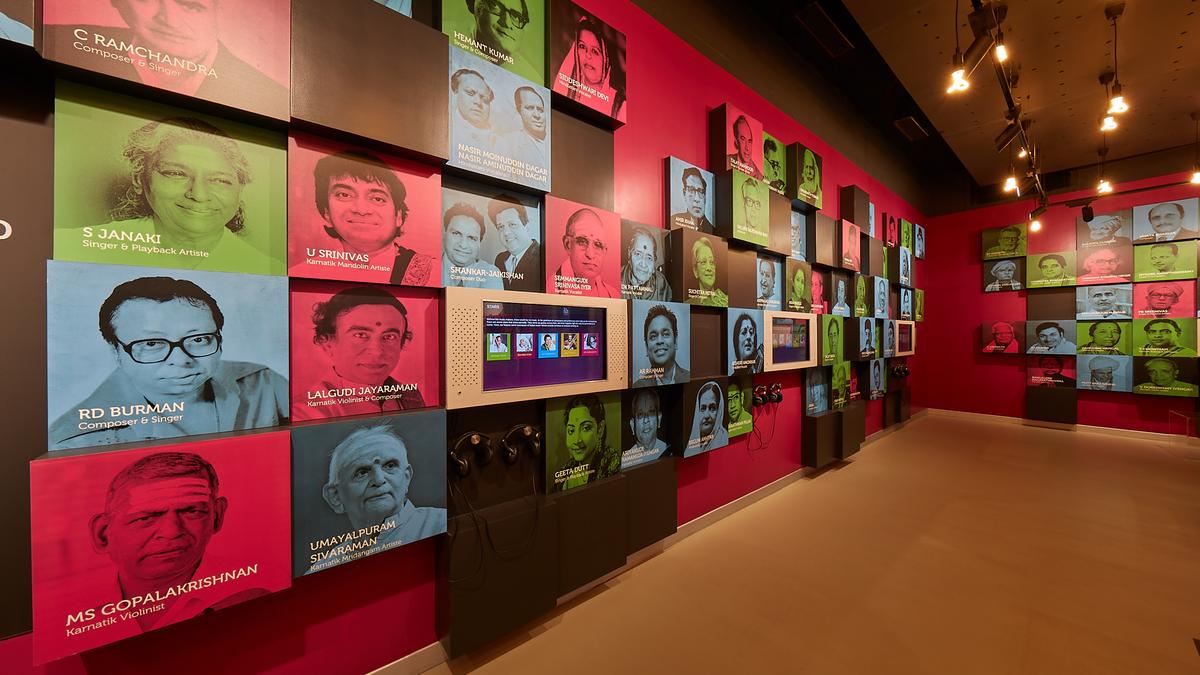
The design aesthetic reminded him of museums across Europe and America, but as he spent time studying the museum’s exhibitions and engaging with visitors, Meyer discovered it was quite different from many European music museums he had analysed during his career.
“Indian music is presented as a treasure here and Indians should be proud of it,” Andreas says. This distinction marks a fundamental departure from European music museums, where the focus typically falls on composers’ biographies, the history of musical instruments or social issues surrounding popular music.
Andreas’ journey to Bengaluru is an extension of his research. Until his retirement from the Folkwang University of the Arts in Essen, Germany, two years ago, he was part of a project funded by the German Research Foundation, travelling across Europe to examine how music is presented in museums. After visiting several European institutions, he felt compelled to look beyond Western horizons and IME was among those that caught his attention.
MR Jaishankar, executive chairman, Brigade Group with Andreas Meyer | Photo Credit: Special Arrangement
What sets the IME apart, according to him, is its ambitious didactic approach. The museum educates visitors about nuances behind Indian musical concepts, he notes. In the gallery devoted to Indian classical music, visitors encounter playful interactive stations that explain intricate systems such as the raga and tala, as well as different compositional forms.


The government plans to amend the FCRA, introducing new regulations for NGO asset management and accountability for key functionaries.

The draft policy for “Responsible Digital Use Among Students”, released on Monday by the Department of Health and Family Welfare, has recommended that parents set structured routines with clear screen-time rules and prioritise privacy, safety, and open conversation with children on digital well-being.

Police Observer Sushant Kumar Saxena conducts surprise inspection at Shencottai police station, reviewing warrants and security arrangements ahead of elections.

Andhra Pradesh government to launch key projects in April, focusing on industrial growth and infrastructure development, says Nara Lokesh.

Lok Sabha refers the Corporate Laws (Amendment) Bill to a JPC amid opposition concerns over CSR provisions dilution.

SHG members in Kanniyakumari use snakes and ladders to raise election awareness and boost voter turnout.

Government accelerates consultations for early implementation of the Women’s Reservation Act to ensure women’s representation in 2029 elections.

CM A. Revanth Reddy distributes ₹1 crore insurance cheques to families of deceased Electricity department employees, enhancing financial security for workers.

The Bengaluru Traffic Police (BTP) registered 634 cases of drunk driving during a week-long special enforcement drive conducted across the city between March 16 and March 22.

GHMC intensifies action against property tax defaulters, seizing properties and offering a One Time Settlement scheme for payments.

CCB arrests three drug peddlers in Mangaluru, seizing ₹2.5 lakh worth of MDMA and other valuables.

TVK's 28 candidates in Puducherry include former BJP MLAs, a sitting Independent, and a retired police IG.

BRS submits notice on private member bill to Speaker