Why the closure of Strait of Hormuz is causing fears about elevating crude oil prices? Premium
The Hindu
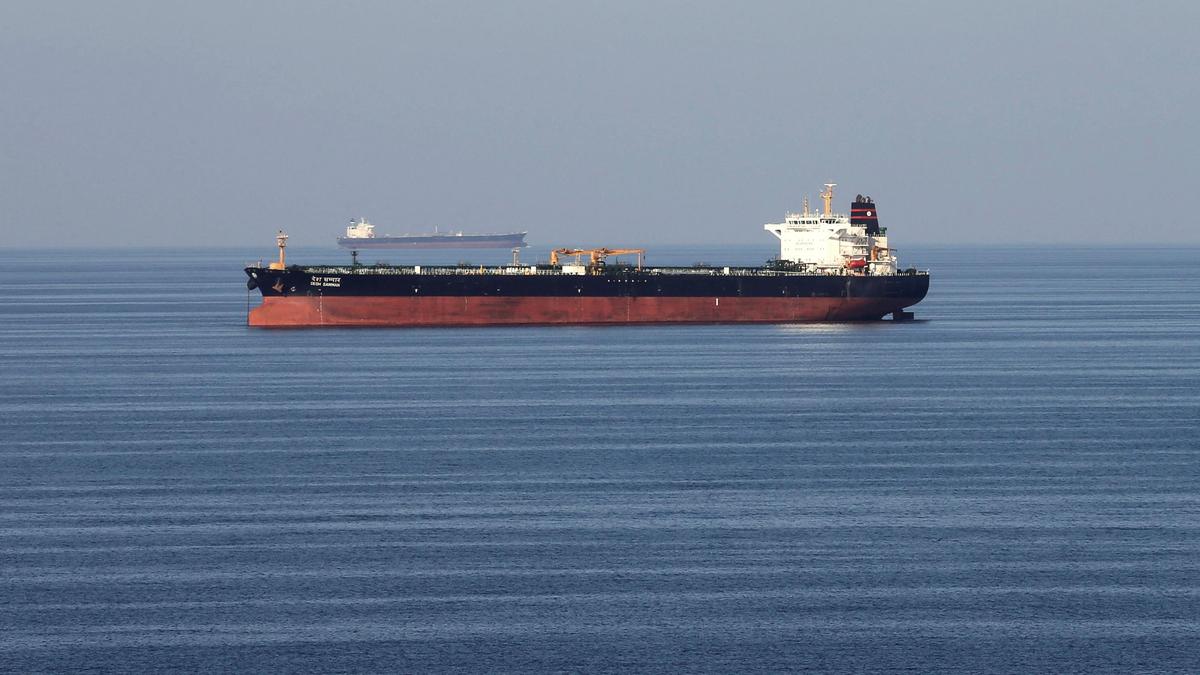
The closure of the Strait of Hormuz raises concerns about rising crude oil prices amid escalating tensions in West Asia.
The story so far: Global oil markets are bracing for a potential upward price shock as trade resumes Wednesday amidst escalation of hostilities in West Asia, as Israel and its ally United States (U.S.) launched air strikes against Iran on Saturday (February 28, 2026), with Tehran acting in retaliation.
More importantly for the oil market, Tehran has announced the closure of Strait Of Hormuz, which accounts for approximately one-fifth of the global crude oil flow, following the death of their supreme leader Ayatollah Ali Khamenei. At close of trade on Friday (February 27, 2026; 7:29 p.m. GMT), Brent Crude futures for April were trading near flat at $72.52 per barrel.
The Strait of Hormuz is an essential chokepoint that connects the Persian Gulf with the Gulf of Oman and Arabian Sea. For perspective, chokepoints are narrow channels along widely used global sea routes that are utilised for transporting oil through sea. The closure of a chokepoint, even if for a temporary period, can translate to potential delays in supply, reduction in traffic and rise in shipping and insurance costs. All of it culminating into increased price of crude. Though alternatives exist for some chokepoints, but they could entail significant increase in transit times.
The closure of the Strait would translate to New Delhi being barred access to Suez Canal and the Red Sea. This is expected to have cost and time escalations for Indian exporters utilising the maritime route.
Further, the Paris-headquarterd International Energy Association (IEA) observed in June last year, that the Strait served as the exit route from the Gulf for approximately one-fourth of the global oil supply including from major oil-producing nations Saudi Arabia and United Arab Emirates alongside Kuwait, Qatar, Iraq and Iran itself.
From the larger perspective of trade, S.C. Ralhan, President of the Federation of Indian Export Organisations (FIEO), said, “If diversions become prolonged, shipments may increasingly have to reroute via the Cape of Good Hope, adding an estimated 15–20 days to transit time for Europe and the United States.”


PM Modi inaugurates redeveloped Tiruvarur and Manapparai railway stations, enhancing amenities and infrastructure under the Amrit Bharat Station Scheme.

104 Olive Ridley hatchlings were released into the sea at Kodiakkarai to celebrate World Seagrass Day.

An oil tanker with 15 Indian crew members was attacked off Oman amid rising tensions in the Iran-Israel conflict.

BJP chief claims over 50 lakh infiltrators removed from Bengal voter rolls, alleging misuse of government benefits intended for citizens.

The closure of the Strait of Hormuz raises concerns about rising crude oil prices amid escalating tensions in West Asia.

Traffic restrictions in Thiruvananthapuram for Attukal Pongala on March 3 include bans on heavy vehicles and parking.

SITAM College partners with GouraGo Games to enhance job prospects for students in the gaming industry through training programs.

Indian youths rank 60th in global mental health study, performing worse than older adults, revealing concerning trends in mental well-being.

Bollineni Hillside in Chennai has bagged an award for the biggest solar rooftop installation in Tamil Nadu in the category for resident welfare associations

Kerala's Chief Minister condemns U.S. and Israel as "rogue nations" and seeks intervention for Keralites in West Asia amid conflict.

Optometric Association's walkathon in Chennai raised awareness for accessible eye care and the vital role of optometrists.

The government upgrades 5,000 mini anganwadi centres to enhance women's and children's welfare services across the district.

Mysuru's "Our Police, Our Pride" Run attracted a large crowd, promoting fitness and awareness through 5K and 10K events.