Why don’t all animals give birth to the same number of babies at a time? Premium
The Hindu
Explore why different animals have varying litter sizes based on reproduction strategies and survival adaptations.
— N. Ramalakshmi
A: The answer is a combination of how many eggs are released or ovulated and the species’ survival strategy.
Many large mammals like elephants, cows, and humans usually release one egg per cycle and commit heavily to that one offspring. Pregnancy is long, the baby is relatively big, and the mother invests a lot of energy in nurturing it. (Twins are born when either two eggs are released or one embryo splits into two.)
Many dogs, cats, pigs, rodents, rabbits, etc. often release multiple eggs in one cycle, so multiple embryos can develop at once. Their uterus is also built to carry several foetuses. And their newborns are smaller, the pregnancy is shorter, and the strategy is to produce many because not all will survive.
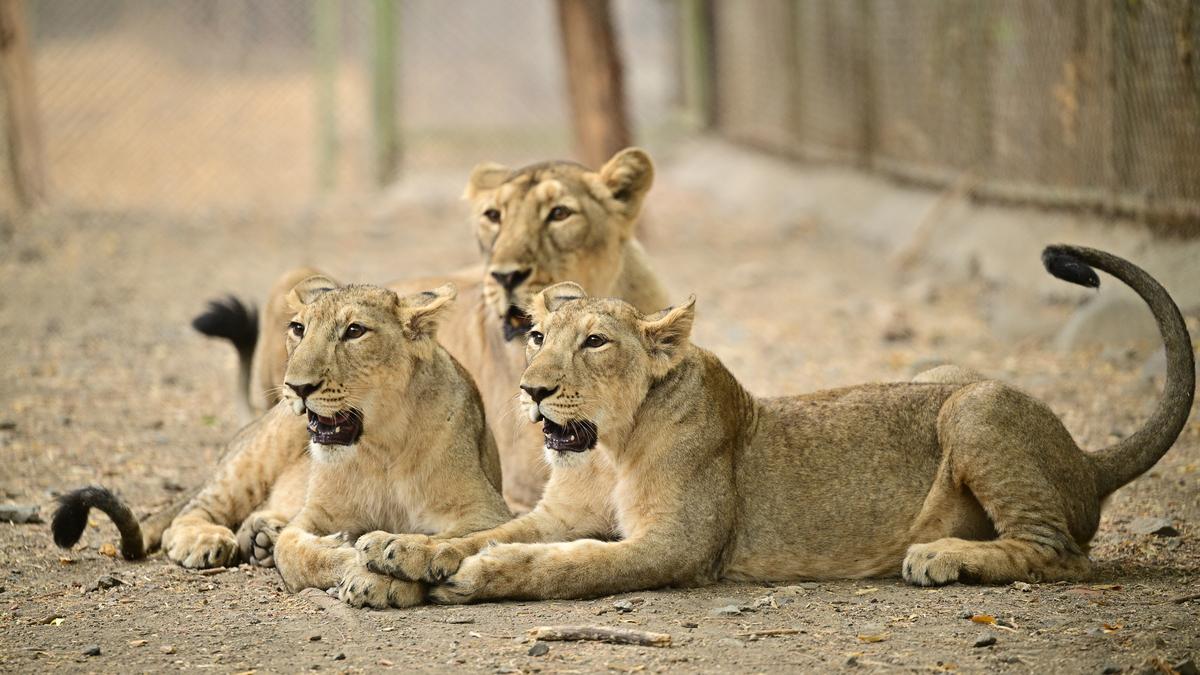
Tigers occupy a middle ground: they typically have litters of up to four cubs because their survival in the wild is uncertain, yet they still invest a lot in each cub. They don’t usually have larger litters like dogs because each cub is still ‘costly’ to raise and needs a lot of milk and protection.


Warmer oceans and depleting food have affected the ubiquitous loggerhead turtle’s reproductive and migratory patterns — and even its size.

Toyota Urban Cruiser Ebella review: Explore design, range, features, ride comfort and safety of Toyota’s new electric SUV for India. Expected price ₹14–18 lakh, with up to 500 km claimed range and practical urban usability.

Explore India's potential in bio-based chemicals and enzymes, highlighting industry leaders and challenges in sustainable manufacturing.

Astronomers discover an unusual planetary system with a rocky planet formed outside its gaseous neighbors, challenging existing formation theories.

Four new astronauts arrive at the ISS to replace a crew evacuated due to a serious health issue.

Neurobehavioural therapy can transform brain connectivity in functional neurological disorders, highlighting the link between cognition, emotion, and behavior.

The centuries-long quest for synthetic diamonds, also known as lab-grown diamonds or human-made diamonds, came to an end in 1954-55. On February 15, 1955, the creation of the first synthetic diamonds were announced, and it was quickly picked-up by newspapers around the world. A.S.Ganesh tells you more about these diamonds and the man who first made it happen…

Kadhambari S. Viswanathan highlights online education's evolution and its coexistence with traditional methods at The Hindu Tech Summit 2026.

The Hindu science quiz on Charles Darwin on February 13 2026

Explore the immersive art exhibit "A Story in Red" in Fort Kochi, featuring 13 installations celebrating memory, culture, and emotion.

Explore why different animals have varying litter sizes based on reproduction strategies and survival adaptations.

Experience Bitter Nectar at Bikaner House, an engaging exhibition exploring ecological issues through interactive art installations until February 15.

Discover the fascinating world of blimps, their history, functionality, and significance in aviation and advertising.