White-throated sparrows show sex in nature is not a simple binary Premium
The Hindu
White-throated sparrows reveal nature's complexity, showcasing a spectrum of sexual identities beyond the traditional binary classification.
There continues to be intense debate worldwide about the definition of biological sex, boosted by some recent executive orders. The official theme of LGBTQ+ History Month (February) this year is ‘Science & Innovation’ and the natural universe is replete with examples of how the simple binary of sexes and genders to which some people would like to fall back on is really a cultural convenience rather than a “natural order”.
A particularly clear example is the white-throated sparrow (Zonotrichia albicollis). Studies of this bird have revealed that nature uses complex genetic systems to create a spectrum of sexual and social roles. With one in 100 individuals having an intersex condition, there is a growing demand to ‘usualise’ the concept of sexual diversity through the lens of biology, and the white-throated sparrow is a good natural metaphor for these social conversations.
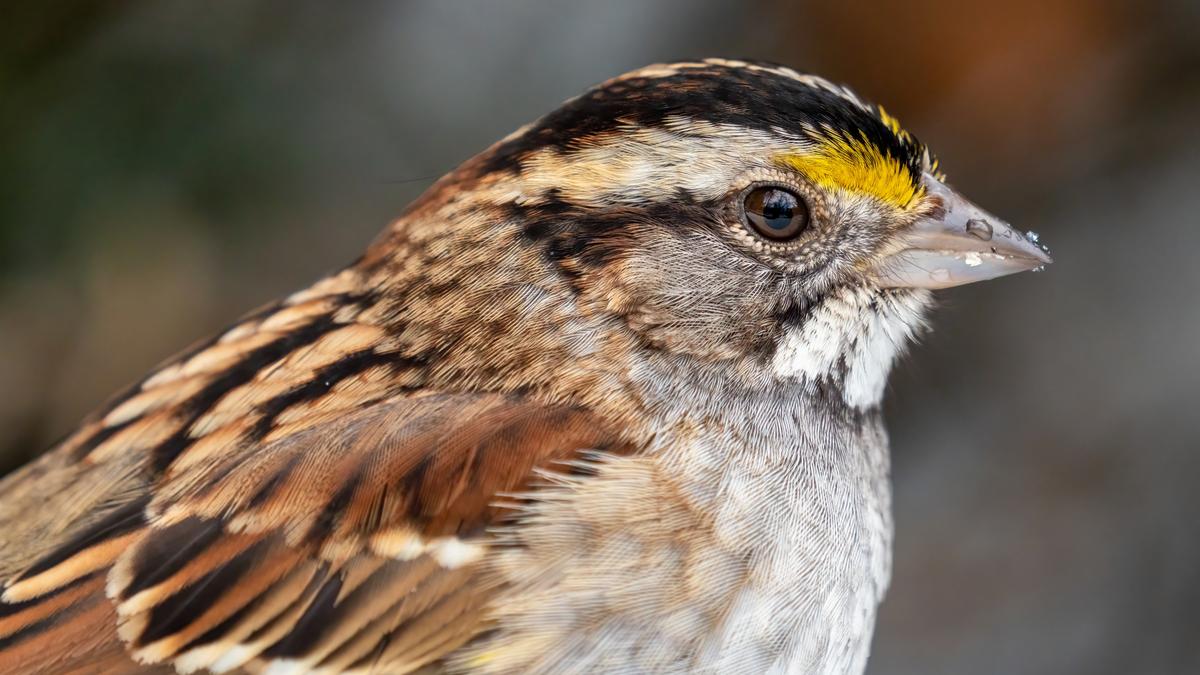
The white-throated sparrow is a songbird recognisable by its black-and-white or tan-and-brown striped head, a bright yellow spot above each eye, and a white patch on its throat.
Its secret? It exhibits not two but four distinct sexes, and each sex plays a fundamental role in weaving its intricate social and reproductive behaviours.
Indeed, a growing pile of evidence is pointing to the fact that the conventional idea of two sexes is over-simplified. Geneticists have discovered that sexual identity is a wider spectrum involving more intricate regulations than just the presence or absence of Y chromosomes.
Imagine individuals that straddle the boundary where the sex chromosome or anatomy doesn’t align strictly with ‘male’ or ‘female’. This is called being intersex and is present in about 1% of the population. Modern genome sequencing data have suggested that individuals can be a “patchwork of genetically distinct cells”, meaning an individual can have some cells with sex chromosomes that don’t match the rest of their body. This discovery further blurs what it means to be definitively a male or a female and points to a significant ‘area of overlap’ explaining why some people find it difficult to fit within the binary structure.


A riot of capes, corsets, and carefully crafted armour took centrestage as Chennai Comic Con wrapped up at the Chennai Trade Centre, with cosplay emerging as the undisputed showstopper. From anime icons and gaming legends to beloved Indian comic characters, over 500 fans transformed the venue into a living, breathing multiverse, showcasing how Chennai’s fandom culture has evolved, placing the city on India’s pop culture map.

Warmer oceans and depleting food have affected the ubiquitous loggerhead turtle’s reproductive and migratory patterns — and even its size.

Toyota Urban Cruiser Ebella review: Explore design, range, features, ride comfort and safety of Toyota’s new electric SUV for India. Expected price ₹14–18 lakh, with up to 500 km claimed range and practical urban usability.

Explore India's potential in bio-based chemicals and enzymes, highlighting industry leaders and challenges in sustainable manufacturing.

Astronomers discover an unusual planetary system with a rocky planet formed outside its gaseous neighbors, challenging existing formation theories.

Four new astronauts arrive at the ISS to replace a crew evacuated due to a serious health issue.

Neurobehavioural therapy can transform brain connectivity in functional neurological disorders, highlighting the link between cognition, emotion, and behavior.

The centuries-long quest for synthetic diamonds, also known as lab-grown diamonds or human-made diamonds, came to an end in 1954-55. On February 15, 1955, the creation of the first synthetic diamonds were announced, and it was quickly picked-up by newspapers around the world. A.S.Ganesh tells you more about these diamonds and the man who first made it happen…

Kadhambari S. Viswanathan highlights online education's evolution and its coexistence with traditional methods at The Hindu Tech Summit 2026.

The Hindu science quiz on Charles Darwin on February 13 2026

Explore the immersive art exhibit "A Story in Red" in Fort Kochi, featuring 13 installations celebrating memory, culture, and emotion.

Explore why different animals have varying litter sizes based on reproduction strategies and survival adaptations.

Experience Bitter Nectar at Bikaner House, an engaging exhibition exploring ecological issues through interactive art installations until February 15.