What is Force Majeure clause?
The Hindu
Explore the concept of Force Majeure and its implications amid ongoing geopolitical conflicts affecting global gas exports.
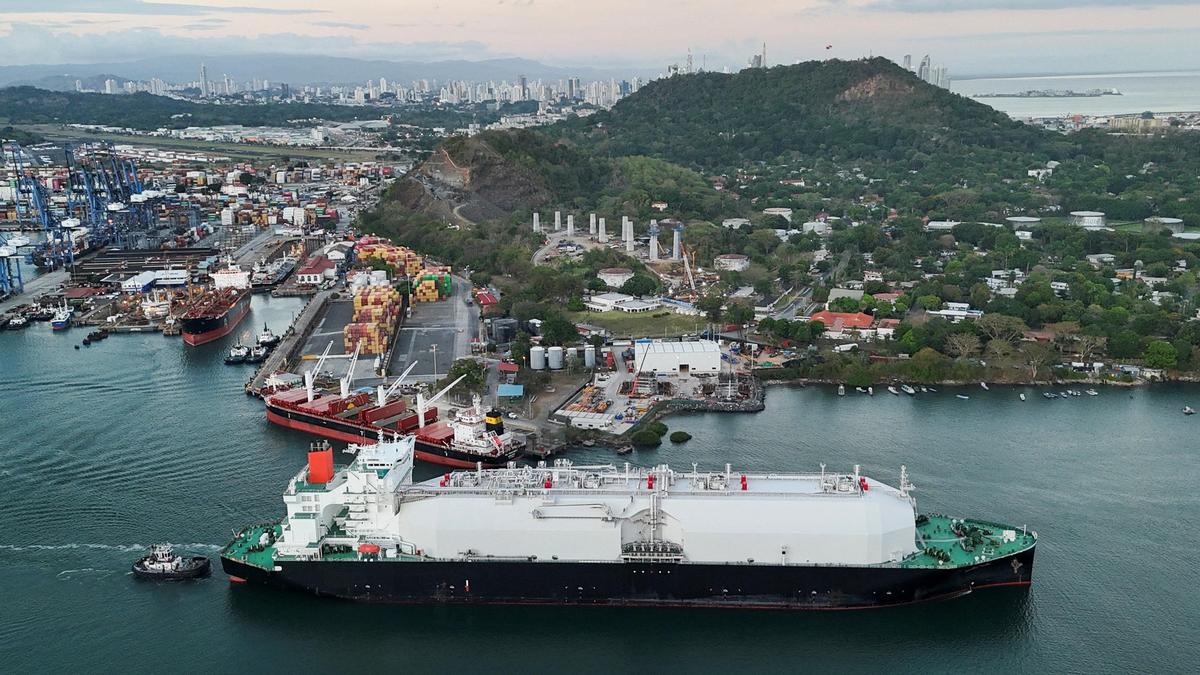
The term “Force Majeure”, literally meaning ‘superior force’ in French, is a contractual clause that safeguards a party from fulfilling its professional obligations in the event of unforeseeable circumstances. As the present war between Iran and U.S.-Israel escalates, several Gulf countries, including Qatar, Bahrain, and Kuwait, have invoked ‘Force Majeure’ on gas exports. The significant development is a result of intense shipping disruptions, caused due to frequent military attacks on oil refineries and an uncertain period of blockade at Strait of Hormuz.
The term originated in French civil law (Napoleonic Code) of 1804. It superseded the older Roman legal concept of vis major, referring to irresistible force or an ‘Act of God’. The Romanic principle ad impossibilia nemo tenetur (no one is expected to perform) provided the early legal basis for excusing parties from obligations due to circumstances beyond their control.
However, in overall business landscape, the contractual clause pertains to these conditions to be qualified as ‘Force Majeure’: 1.) natural disasters 2.) accidents 3.) conflicts such as strikes, war, terrorism 4.) trade embargoes 5.) judgements, administrative seizures etc.
While both Force Majeure and Act of God are contractual arrangements, the latter is specific to natural events such as epidemic or natural calamities, and should be rare and cannot be easily replicated.
On March 13, India invoked a ‘Force Majeure’ to redirect gas supplies from non-priority sectors to domestic users after the country faced a major crisis in LPG distribution to consumers. The decision followed after the country witnessed a massive irregularity in LPG gas booking and consumption across households and business environments. Restaurants, small eateries, and hotels were among the worst hits.
Petronet LNG — from where India majorly imports gas — invoked a ‘Force Majeure’ on March 5, 2026. The firm cited it to its supplier Qatar Energy that its vessels are unable to reach Ras Laffan Load Airport due to the ongoing military crisis. The ‘Force Majeure’ was issued for its LNG tankers Disha, Raahi, and Aseem. Additionally, Petronet also issued ‘Force Majeure’ to its domestic customers GAIL, Indian Oil, and Bharat Petroleum.


A Sikh organisation has lodged a complaint against the makers of the film alleging that the movie’s promotional material has hurt the religious sentiments of the Sikh community

Speculation over Congress' Chief Ministerial candidate in Kerala persists despite party leaders' attempts to quell the discussions ahead of elections.

A fake dentist operating illegal clinic in Hyderabad's Old Neredmet has been arrested for endangering public health.

Explore the concept of Force Majeure and its implications amid ongoing geopolitical conflicts affecting global gas exports.

Malavika Sarukkai’s latest production Beeja explores humanity, Nature and healing through the language of dance.

Hindustani expert N Rajam and Mandolin Rajesh are among the National Awardees of the Sree Ramaseva Mandali’s Chamarajpet Ramanavami this year

Explore exclusive interviews with Tamil Nadu political leaders ahead of the 2026 Assembly election to aid informed voter decisions.

Explore North East India with South Star Rail's three unique 14-day train tour packages from Mangaluru, starting April 25.

A woman and her son sustained burn injuries in a gas cylinder fire in Bagalkot, Karnataka, and were hospitalised.

Directed by Nicholas Kharkongor, the show also stars Angira Dhar, and Ranveer Brar in pivotal roles

T.N. CM Stalin blames Centre's delimitation focus for diverting attention from the cooking gas shortage crisis.

UDF plans to challenge Kerala BJP chief Rajeev Chandrasekhar over alleged asset concealment and criticizes CPI(M) for corruption.

Telangana's Civil Supplies Commissioner assures no fuel shortage, with 20,000 kilolitres of petrol available