We now know why some people had severe blood clots after COVID shots Premium
The Hindu
Discover the molecular mechanisms behind severe blood clots linked to specific COVID-19 vaccines, revealing crucial insights for future vaccine safety.
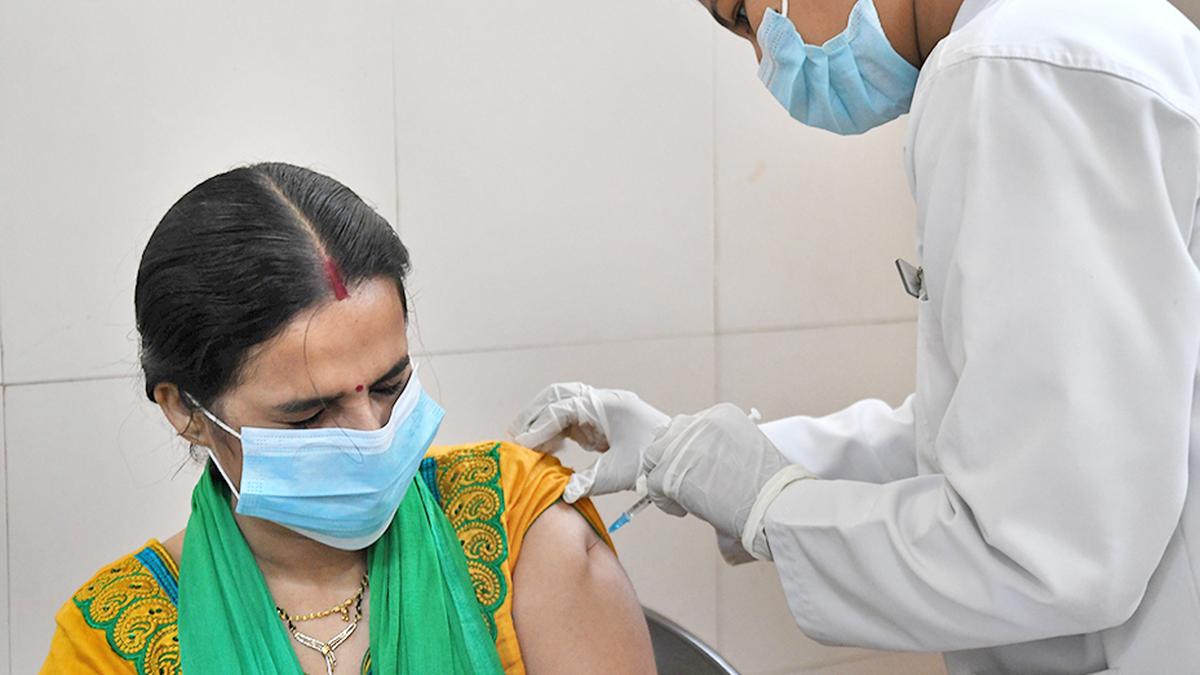
In early 2021, as COVID-19 vaccines were being rolled out across the world, reports began to surface of a rare but alarming complication. Some people who received the shots were developing unusual blood clots. The cases were first identified in Europe and later in the U.S.
Notably, they were reported mainly among recipients of the AstraZeneca and Johnson & Johnson vaccines. The common link between those two vaccines was their design. Unlike the Pfizer and Moderna shots, which used mRNA, both the AstraZeneca and Johnson & Johnson vaccines used a modified virus to deliver DNA into the body’s cells. In roughly 3 to 10 cases per million vaccinated individuals, depending on age and sex, recipients developed unusual blood clots accompanied by low platelet counts, a condition that came to be known as vaccine-induced immune thrombocytopenia and thrombosis (VITT).
Very soon, research groups started reporting that the affected patients were producing antibodies against a human protein called platelet factor 4 (PF4). PF4 plays an important role in regulating the formation of blood clots. In these patients, antibodies were binding to PF4 and forming a complex that activated platelets, driving both clot formation and the low platelet counts.
However, the puzzling thing was PF4 is a human protein. The immune system is not supposed to make antibodies against self-proteins. In extremely rare cases, autoimmune reactions do occur due to genetic susceptibilities, but here, the vaccines were designed to generate immunity against the coronavirus spike protein, not against PF4. How could this be happening?
At its core, a vaccine is essentially a decoy. It presents the immune system with something that looks like the enemy, so the system learns to recognise and defeat the real thing later. The goal of the COVID-19 vaccines was to teach the immune system to recognise the coronavirus’ spike protein. The vaccines do not contain the coronavirus itself. Instead, they deliver instructions that prompt our bodies’ own cells to briefly produce a harmless piece of the virus. The immune system sees this protein, mounts a response, and forms memory cells that stand ready for future encounters.
Cells store DNA inside a structure called the nucleus. When a protein needs to be made, the cell first creates a temporary working copy called messenger RNA (mRNA). The mRNA then exits into the main body of the cell, where special molecular machines called ribosomes make the protein from the mRNA. The mRNA is short-lived and quickly degraded.


Greater Chennai Corporation launches free therapy center for children with developmental disabilities, with plans for two more locations.

With 60 lakh cases verification pending adjudication under West Bengal SIR, the publication of final rolls has several implications.

The 2026-27 Andhra Pradesh Budget shows debt moderation while scaling up capital investment

The directions by the Delhi High Court to Aam Aadmi Party (AAP) chief Arvind Kejriwal, senior leader Manish Sisodia, and 21 others seeking their response to the plea challenging their discharge in the excise policy case sparked a heated exchange in the Capital.

Joint Collector S. Ilakkiya highlights women's vital role in public service and social contributions during Women’s Day celebrations in Vijayawada.

Vizag Port aims to become a net-zero maritime hub by 2047, focusing on renewable energy and zero-emission vessels.

Iran is seen as the great disrupter of West Asia and srael wants to end Iran’s proxy war which it sees as an existential threat

A lesson from this war is that national security cannot be bought or outsourced

CM Stalin asserts Tamil Nadu will never fall under BJP rule, emphasizing the DMK's commitment to the state's culture and development.

Madras High Court orders post-mortem of alleged custodial death in Sivaganga, amid ongoing protests by the victim's family.

BNP proposes citizen-led solutions to enhance Bengaluru's garbage collection and address persistent blackspots through improved coordination and participation.

Accusing Prime Minister Narendra Modi of “meekly surrendering to the U.S.”, Chief Minister Siddaramaiah on Monday demanded that the Prime Minister step down for the good of the nation.

JPC will meet with UGC, AICTE, and NCTE officials this week to discuss the Viksit Bharat Shiksha Adhishthan Bill.