Turmeric Board promotes IPM practices to boost spice crop exports
The Hindu
Turmeric Board promotes IPM practices to boost spice crop exports
HYDERABAD
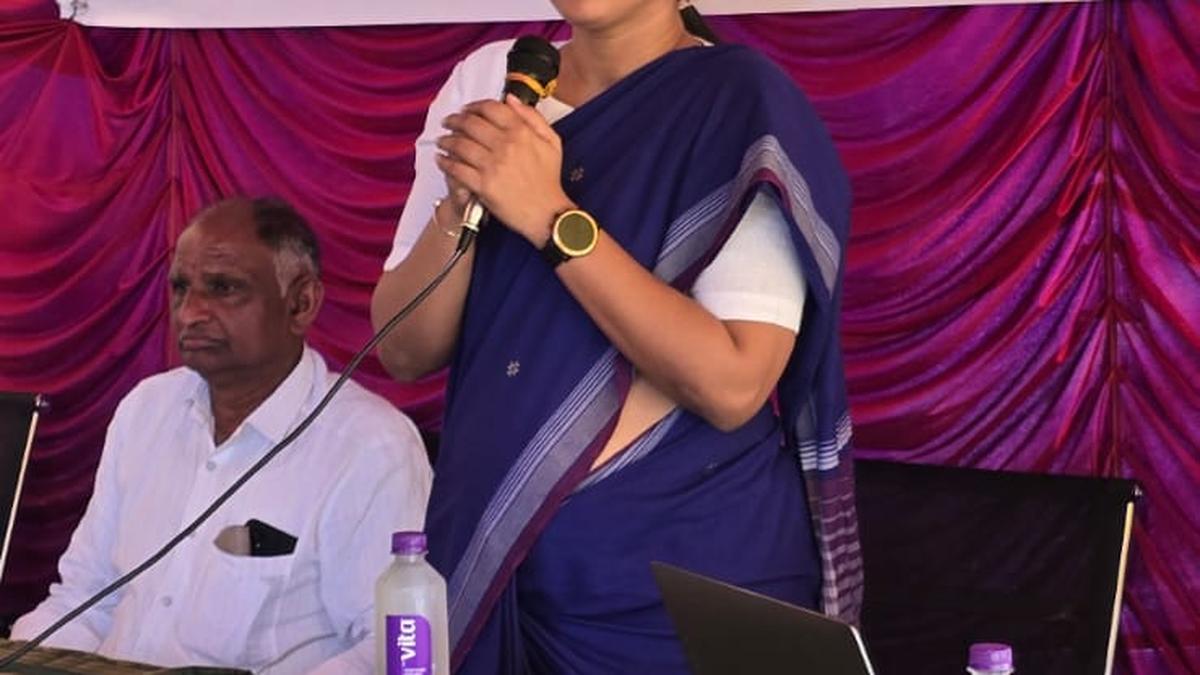
The National Turmeric Board on Tuesday conducted a farmer awareness and quality improvement training programme at Kowtla (B) in Nirmal district to promote the adoption of Integrated Pest Management (IPM) in turmeric cultivation.
Over 100 farmers and several Farmer Producer Organisations (FPOs) from turmeric-growing areas in the district attended the event. The Board selected Nirmal district for the initiative to ensure that pesticide residue levels in turmeric are reduced and overall quality is improved. It aims to reduce residue levels and promote residue-compliant turmeric suitable for premium export markets through the focused awareness programmes and training.
Speaking to farmers, Secretary of the Board N. Bhavani Sri explained the importance of adopting IPM practices to improve turmeric quality and strengthen India’s export potential. She stated that export markets such as the European Union, the United States, the United Kingdom, Japan and Korea follow strict regulations for pesticide residues, aflatoxins and other contaminants.
Suggesting the farmers to adopt scientific cultivation practices at the farm level to ensure that turmeric meets international quality standards, she highlighted how biological, mechanical and botanical approaches could help farmers manage pests while reducing dependence on synthetic pesticides.
Use of biological agents such as ‘trichoderma viride and pseudomonas fluorescence’ along with pheromone traps and neem-based formulations could help manage diseases such as rhizome rot and maintain crop health. The Board Secretary said most turmeric export quality parameters were determined at the farm level. The adoption of good agricultural practices would play a crucial role in ensuring compliance with international standards.


Amid concerns about short-supply of commercial liquefied petroleum gas (LPG) to hotels and other ‘non-essential’ customers, public sector oil marketing companies have stopped supplying auto LPG to dispensing stations in Dakshina Kannada and Udupi districts.

BRS plans a Private Member Bill to demand legal backing for six unfulfilled guarantees by the Congress government in Telangana.

Karnataka government plans to raise pensions for acid attack survivors to ₹50,000 and enhance support for their rehabilitation.

Chennai plans to widen 100 km of arterial roads to alleviate traffic congestion and enhance road safety soon.

GCDA plans to establish an international centre to preserve and showcase child prodigy Clint’s remarkable collection of over 25,000 drawings.

Two auto drivers in Ongole praised for returning bags with cash and valuables, showcasing exemplary honesty and integrity.

Bengaluru's restaurants face potential shutdown due to ongoing LPG supply issues, impacting services and food delivery platforms.

Kejriwal criticizes Modi for yielding to Trump, warning of a worsening LPG supply crisis impacting businesses across India.

PM Modi claims DMK is unsettled by NDA's growing popularity in Tamil Nadu, highlighting misgovernance and upcoming development projects.

Authorities in Andhra Pradesh assure uninterrupted LPG supply amid Gulf tensions, easing consumer concerns while addressing commercial sector restrictions.

CID to investigate Anekal realtor's abduction and murder, as Karnataka Home Minister responds to legislative concerns for justice.

Seven held, nearly 1,900 tonnes of illegally mined sand seized in multi-district crackdown

Turmeric Board promotes IPM practices to boost spice crop exports