Trade bodies flag impact of West Asia crisis on trade-driven Karnataka
The Hindu
Karnataka faces trade challenges due to the West Asia crisis, impacting industries, logistics, and MSMEs, warns FKCCI.
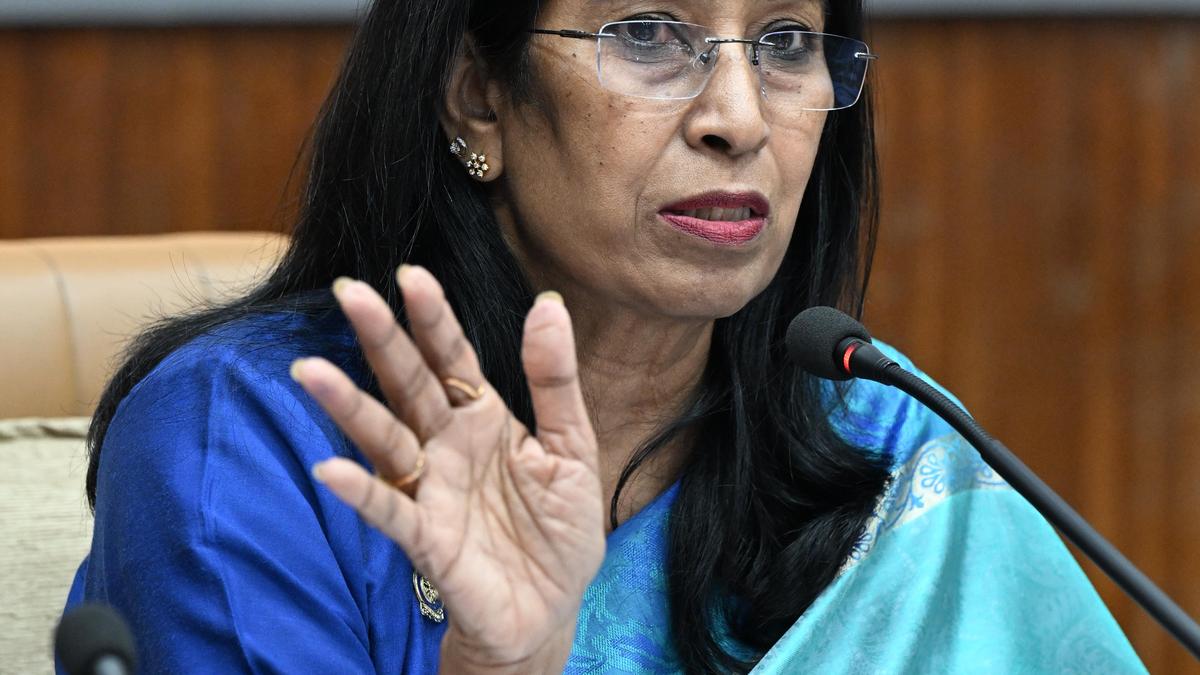
Karnataka’s electronics, textiles, automotive components, petro-linked industries, MSMEs, and other segments may experience margin pressures, higher input and logistics costs, crunch in working capital, and huge shipment delays all on account of the present geopolitical situation in West Asia, said Uma Reddy, president, Federation of Karnataka Chambers of Commerce and Industry (FKCCI).
Sharing the highlights of FKCCI’s latest assessment of the emerging tension in West Asia and it’s likely impact on Karnataka’s economy, she said, for a trade-driven State like Karnataka, the immediate concerns were rising energy costs, increased freight and insurance premiums, and uncertainty in export markets, particularly in the Gulf region.
The ongoing conflict involving Iran has already led to volatility in global crude oil prices and disruptions in key maritime trade routes and these would have multiple repercussions on the trade and business from the State, she added.
According to Ms. Reddy, FKCCI is engaging with government authorities to ensure that industry concerns, particularly those of MSMEs, are addressed proactively. “With prudent policy support and strategic adaptation, Karnataka’s resilient industrial ecosystem can navigate this phase effectively as we did during Covid and in the recent US tariff situation,” she added.
B.R Ganesh Rao, president, Karnataka Small Scale Industries Association (KASSIA), said that the West Asia crisis has raised serious concerns for trade, industry, financial markets, and service sectors in Karnataka, particularly for Micro, Small, and Medium Enterprises (MSMEs). “While direct trade exposure may be moderate, the cascading indirect effects could significantly impact the State’s economy,” he opined.
According to him, nearly 20% of India’s foreign trade moves through sensitive West Asian sea lanes, especially the strategic Strait of Hormuz. Any further changes may result in shipping delays and container shortages, increased freight and marine insurance premiums, he cautioned.


NABARD's potential-linked credit plan estimates ₹25,779.38 crore credit potential for Krishnagiri district, boosting agriculture and MSMEs for 2026–27.

R&B Minister inaugurates a rehabilitation colony for displaced families in Prakasam district amid ongoing Ramayapatnam port construction.

Hyderabad police conduct midnight drill at Masab Tank to enhance emergency response readiness and coordination among personnel.

Experience the rich interfaith tradition of Masi Magam in Killai, where Hindu and Muslim communities celebrate harmony annually.

Social activist Shabnam Hashmi highlights alarming forest fires in Magadi taluk, linking them to potential mining activities.

Labour Minister urges companies to prioritize safety and achieve zero accidents in factories during National Safety Day event.

Andhra Pradesh's Family Benefit Management System aims for 90% data integration by April 30 to enhance welfare delivery.

Coimbatore Corporation plans five women-exclusive pink parks to promote health, fitness, and social interaction at ₹3.75 crore.

Doctors in Ongole raise obesity awareness through rallies, performances, and free health screenings on World Obesity Day.

Three-year-old boy rescued near Gandipet temple after being dragged into bushes by stray dogs; now safe and recovering.

Yathindra's stadium proposal at KSIC factory in T. Narasipura raises concerns over factory operations and environmental impact.

FERA members arrested in Ramanathapuram for blocking road

Telangana to launch health profiles for 46 lakh SHG women, starting March 8, with comprehensive medical screenings and support services.