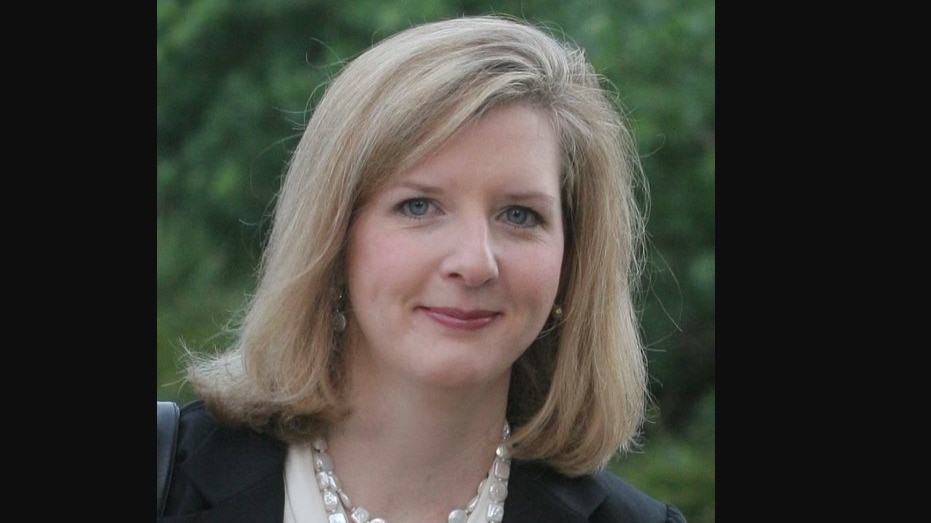
Top Goldman Sachs lawyer Kathy Ruemmler quits after Epstein emails surface
India Today
The report also said Ruemmler communicated frequently with Epstein between 2014 and 2019, including advising him on how to respond to media inquiries regarding allegations that he had received preferential legal treatment because of his connections.
Kathy Ruemmler, the chief legal officer and general counsel of Goldman Sachs and a former White House counsel to Barack Obama, has resigned after emails revealed a close relationship with disgraced financier Jeffrey Epstein, including messages in which she referred to him as “Uncle Jeffrey”.
According to news agency Reuters, the emails show that Ruemmler maintained extensive contact with Epstein for years, even after his 2008 conviction for sex crimes. The correspondence, now in the public domain, triggered scrutiny over her association with Epstein and her conduct during her time in private practice.
In a statement on Thursday, Ruemmler said she would “step down as Chief Legal Officer and General Counsel of Goldman Sachs as of June 30, 2026”. Until recently, she had resisted calls to resign and had sought to distance herself from the emails, while publicly describing Epstein as a “monster”.
However, earlier emails show a markedly different tone. In one 2018 message, Ruemmler thanked Epstein for expensive gifts – including luxury handbags and a fur coat – writing: “So lovely and thoughtful! Thank you to Uncle Jeffrey!!!” The gifts were reportedly sent after Epstein had already pleaded guilty in 2008 to procuring a minor for prostitution and was registered as a sex offender.
The report also said Ruemmler communicated frequently with Epstein between 2014 and 2019, including advising him on how to respond to media enquiries regarding allegations that he had received preferential legal treatment because of his connections.
Goldman Sachs’ code of conduct requires employees to seek pre-approval before giving or receiving gifts from clients, particularly high-value items that could raise conflict-of-interest concerns. Wall Street firms traditionally discourage such exchanges to avoid breaching anti-bribery norms.


Ashu Ghai recreated the striking scene from Dhurandhar 2, where Ranveer Singh is introduced as Jaskirat Singh Rangi amid a cascade of fiery sparks.

Pakistan Army chief Asim Munir said Shias who "love Iran so much" should "go to Iran". His remarks triggered a row with prominent Shia clerics of Pakistan accusing Munir of insulting the community and the military establishment of serving America and Israel as a "servant".

Treasury Secretary Scott Bessent said the US may need to intensify strikes on Iran to end the conflict. This came soon after Trump threatened to hit Iran's energy plants amid soaring oil prices and Strait of Hormuz tensions.

The scooter rider rode into the pedestrian zone, collided with the car, and fell down. The man driving the car, however, did not react with anger and handled the situation with composure.

A minute-long ATC recording lays bare the confusion and urgency before a runway collision in New York. Controllers issued frantic warnings as a plane struck a vehicle, forcing a complete airport shutdown.

Tucker Carlson says he might cry listening to him. Millions call him a prophet. But who exactly is "Professor Jiang" — and what is he not telling you?

In a symbolic act of wartime messaging, Iran placed stickers carrying anti-war remarks by Spanish Prime Minister Pedro Sanchez on ballistic missiles bound for Israel as the Middle East conflict enters it fourth week.

The announcement was made a day after North Korea convened the first session of its Supreme People's Assembly. The assembly, the isolated nation's rubber-stamp legislature, formally approves state policy.


Indian Railway staff's swift action turned a medical emergency involving a toddler into relief aboard a train from Bengaluru to Gujarat.

Leon Panetta said Iran war was not an unexpected risk. He pointed out that for years, US security officials have known Iran could disrupt global oil supplies by blocking the Strait of Hormuz. According to him, this was a well-known danger, but one that appears to have been overlooked in the current conflict.

Sri Lanka raised fuel prices by about 25% for the second time in a week as the Gulf conflict disrupts global oil supplies via the Strait of Hormuz.

Iran has warned it is ready to respond. Parliament Speaker Mohammad Baqer Qalibaf warned that if Iran's infrastructure is targeted, then key facilities across the region could be "irreversibly destroyed."