The U.S.-Israel attacks on Iran threaten global fuel trade
The Hindu
With Iran targeting U.S. bases in other countries in the West Asian region, the U.S.-Israel attack has created a massive ripple effect extending well beyond the region, threatening global energy security.
With Iran targeting U.S. bases in other countries in the West Asian region, the U.S.-Israel attack has created a massive ripple effect extending well beyond the region, threatening global energy security.
Following a drone attack from Iran on Monday, Qatar halted the production of liquefied natural gas at the world’s largest export facility. The suspension of operations across refineries in other Gulf nations such as Saudi Arabia and Iraq have also been announced. Oil and gas prices have surged following the closure of the Strait of Hormuz, a gateway to 20% of the world’s oil exports from the Gulf.
As shown in the chart below, oil prices soared to $78.31 on Monday, almost 12% higher than a week ago. Prices were slowly inching up last week even as negotiations between the U.S. and Iran were ongoing, largely due to the military build-up by the U.S. in the region.
According to the Iranian Red Crescent, the U.S.-Israeli attacks, dubbed Operation Epic Fury by the U.S.’s Pentagon, have killed more than 780 people in Iran as of March 2, hitting more than 500 locations since February 28. In retaliation, Iran fired missiles at Israel and nations across the region, particularly targeting U.S. bases in Qatar, the UAE, Saudi Arabia, Kuwait, Bahrain, and Jordan, pushing what was claimed to be a “pre-emptive strike” by the U.S. and Israel into an all-out regional war.
This region accounts for 31% of the global oil production in 2024, and includes five of the top 10 oil-producing countries — Saudi Arabia, the UAE, Iraq, Iran, and Kuwait. West Asia accounted for 38% of global oil exports in 2024.
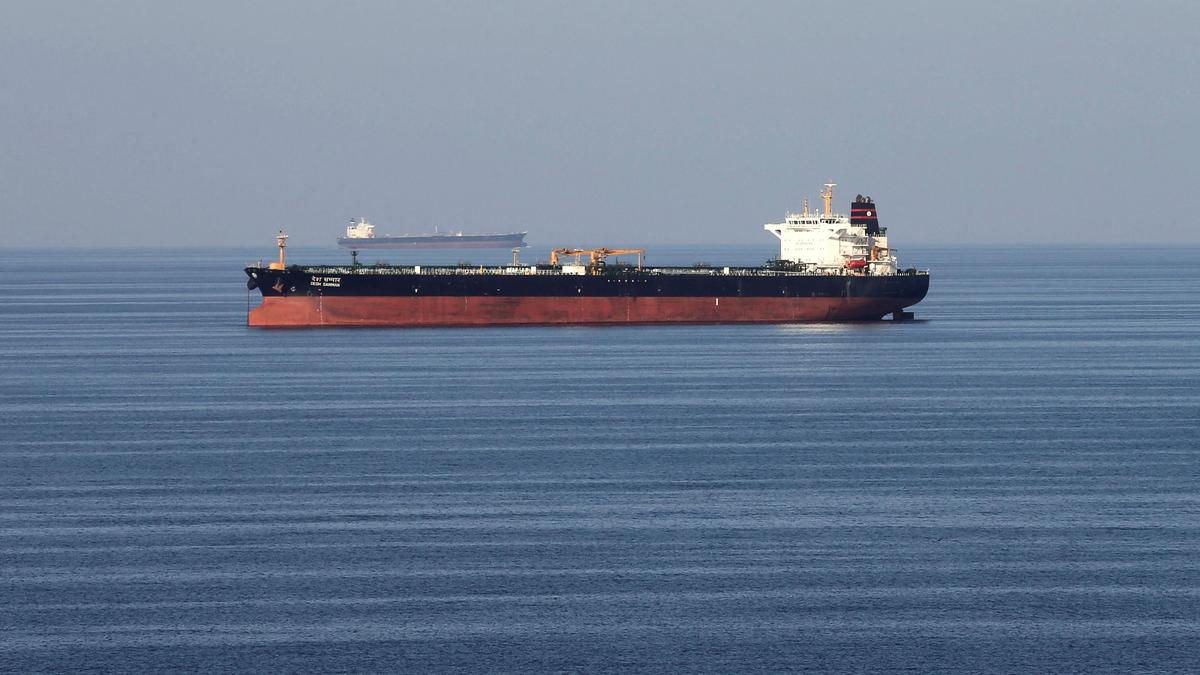
Moreover, Iran’s Islamic Revolutionary Guard Corps have announced the closure of the Strait of Hormuz which is a narrow channel connecting major oil-producing nations with the Gulf of Oman and the Arabian Sea. Ships transporting oil have been effectively halted through threats, mine-laying, and direct attacks by Iran’s military, creating a chokepoint.


Shorts News:Watch: ‘Worst case is replacing Iranian leaders with someone no better!’ - Trump

With Iran targeting U.S. bases in other countries in the West Asian region, the U.S.-Israel attack has created a massive ripple effect extending well beyond the region, threatening global energy security.

Iran-Israel war: Follow the latest updates on the West Asia war, on March 4, 2026

Iranian missile strikes U.S. base in Qatar as Doha dismantles spy cells linked to Revolutionary Guards, escalating regional tensions.

Putin and Orban discuss Hungarian POWs in Ukraine, highlighting tensions over military recruitment and energy supplies amid the ongoing conflict.

U.N. Human Rights chief ‘deeply shocked’, urges all sides in West Asia war to ‘come to their senses’
U.N. Human Rights chief urges all sides in West Asia conflict to end violence and protect civilians amid growing crisis.

Nepal's March 5 elections see veteran leaders challenged by youth-driven coalitions, with the Rastriya Swatantra Party poised for a breakthrough.

Newly released deposition videos from the House Oversight Committee show former President Bill Clinton and former Secretary of State Hillary Clinton responding to questions about Jeffrey Epstein and Ghislaine Maxwell. The footage captures tense exchanges, sharp denials, and political accusations that have reignited debate over the so-called Epstein files.

A warning from Iran’s Revolutionary Guard to ships passing through the Strait of Hormuz has triggered global market anxiety. After joint U.S.–Israel strikes on Iran, Tehran signaled that navigation through one of the world’s most critical oil routes could be restricted. Nearly 20% of the world’s crude oil supply passes through the Strait of Hormuz every day. Countries like Saudi Arabia, UAE, Iraq, Kuwait and Iran rely on it for exports, with major buyers including China, India, Japan and South Korea. Even without a formal blockade, disruptions, rerouting and rising insurance costs are already slowing tanker traffic. Analysts warn that a serious disruption could push crude oil prices above $90 — or even $100 per barrel. For India, which imports nearly 85–90% of its oil and depends heavily on Hormuz-linked supplies, the economic stakes are high. Higher crude prices could mean rising fuel costs, inflation pressures and a larger import bill.

Explore India's silence on Khamenei's assassination, analyzing five geopolitical factors influencing its response amid escalating tensions.

The World Food Programme announces the imminent reopening of Gaza's Kerem Shalom crossing for vital humanitarian aid delivery.

India expresses deep concern over the escalating Iran-Israel conflict, prioritising the safety of its citizens in the Gulf.

The Israeli military targeted Iran's presidential office and security council in air strikes, escalating tensions in the region.