The geopolitical trajectory of Iran-Israel relations Premium
The Hindu
The relationship between Iran and Israel is one of the most complex and determining relationships in the West Asian region. This article is from The Hindu e-book. Iran: Revolution in retreat
This relationship has shaped the geopolitical and security landscape of West Asia over the past eight decades. The present antagonism between the two countries developed after the 1979 Islamic revolution that brought Ayatollah Ruhollah Khomeini to power. In the preceding decades, both countries enjoyed a close relationship, despite the differences under Mohammad Reza Shah Pahlavi of Iran. Before the revolution, both maintained a pragmatic and discreet relationship based on mutual geopolitical interests, shared security concerns and strategic cooperation against common regional adversaries. It was a mutually beneficial relationship cautiously maintained in a tense regional atmosphere dominated by the Arab–Israeli tensions.
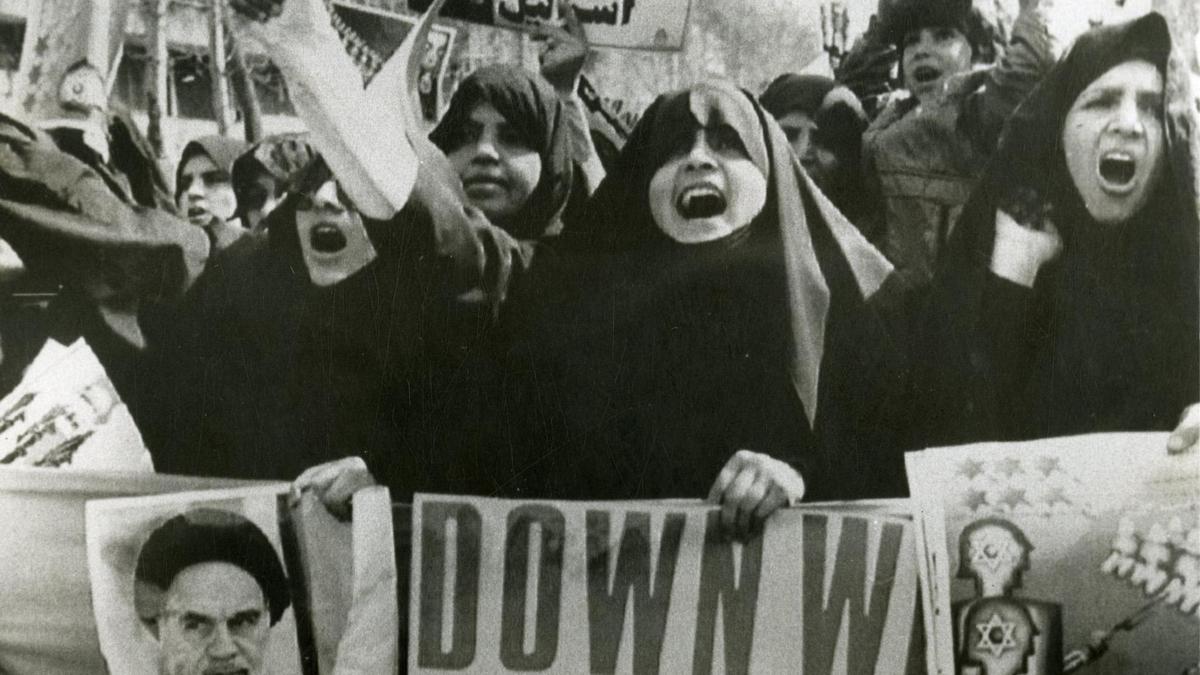
The emergence of Khomeini transformed Iran’s foreign policy toward Israel. The bilateral relations gradually moved from covert collaboration to explicit political confrontation. Since then, they have only continued to deteriorate without any signs of improvement. The rivalry has encompassed ideological rivalry, proxy wars, alliance with regional and external powers, and divergence of interests. There has been no serious effort on the part of either of the countries to negotiate and establish formal diplomatic ties, and the relationship has continued to spiral down the path. Several factors — such as the Iranian nuclear controversy, Iranian support for armed militias against Israel, the U.S.–Israel relations — have contributed to the further worsening of the relationship. While previously the rivalry was confined to mutual threat perception, proxy wars and strategic posturing, the recently fought 12-day war that witnessed the first direct military confrontation has opened a new chapter of rivalry between the two countries.
This article is from The Hindu e-book. Iran: Revolution in retreat
Under the Shah, Iran’s relationship with Israel was shaped primarily by shared geopolitical interests. Although the two states did not formally recognise one another, they developed substantive economic and military ties that advanced their respective strategic objectives. For Iran, the principal concerns during this period were the rise of Pan-Arabism in West Asia under the leadership of Gamal Abdel Nasser of Egypt and the expansion of Soviet communism in its neighbourhood. Despite being conscious of the strong anti-Israel sentiments prevalent across the Muslim world, the Shah maintained engagement with Israel.
During the 1950s, Israel pursued its “periphery doctrine”, a strategy aimed at strengthening ties with non-Arab states in the Middle East to offset pressures from hostile Arab neighbours. The 1956 Suez Crisis marked a significant geopolitical turning point in the region. In its aftermath, Nasser emerged as the leading Arab figure championing the Palestinian cause and articulating the broader agenda of Arab nationalism.
MAJOR ISSUES: Leaders of four states mark the first stage in the building of the Aswan High Dam, from left: President Gamal Abdul Nasser of Egypt, Soviet leader Nikita Khrushchev, President of Iraq Abdul Salam Arif and President of the Yemen Arab Republic Abdullah al-Sallal, on May 13, 1964. For Iran, the principal concerns during the Shah’s period were the rise of Pan-Arabism in West Asia under the leadership of Gamal Abdel Nasser of Egypt and the expansion of Soviet communism in its neighbourhood. | Photo Credit: AFP/GETTY IMAGES


Shorts News:Watch: ‘Worst case is replacing Iranian leaders with someone no better!’ - Trump

With Iran targeting U.S. bases in other countries in the West Asian region, the U.S.-Israel attack has created a massive ripple effect extending well beyond the region, threatening global energy security.

Iran-Israel war: Follow the latest updates on the West Asia war, on March 4, 2026

Iranian missile strikes U.S. base in Qatar as Doha dismantles spy cells linked to Revolutionary Guards, escalating regional tensions.

Putin and Orban discuss Hungarian POWs in Ukraine, highlighting tensions over military recruitment and energy supplies amid the ongoing conflict.

U.N. Human Rights chief ‘deeply shocked’, urges all sides in West Asia war to ‘come to their senses’
U.N. Human Rights chief urges all sides in West Asia conflict to end violence and protect civilians amid growing crisis.

Nepal's March 5 elections see veteran leaders challenged by youth-driven coalitions, with the Rastriya Swatantra Party poised for a breakthrough.

Newly released deposition videos from the House Oversight Committee show former President Bill Clinton and former Secretary of State Hillary Clinton responding to questions about Jeffrey Epstein and Ghislaine Maxwell. The footage captures tense exchanges, sharp denials, and political accusations that have reignited debate over the so-called Epstein files.

A warning from Iran’s Revolutionary Guard to ships passing through the Strait of Hormuz has triggered global market anxiety. After joint U.S.–Israel strikes on Iran, Tehran signaled that navigation through one of the world’s most critical oil routes could be restricted. Nearly 20% of the world’s crude oil supply passes through the Strait of Hormuz every day. Countries like Saudi Arabia, UAE, Iraq, Kuwait and Iran rely on it for exports, with major buyers including China, India, Japan and South Korea. Even without a formal blockade, disruptions, rerouting and rising insurance costs are already slowing tanker traffic. Analysts warn that a serious disruption could push crude oil prices above $90 — or even $100 per barrel. For India, which imports nearly 85–90% of its oil and depends heavily on Hormuz-linked supplies, the economic stakes are high. Higher crude prices could mean rising fuel costs, inflation pressures and a larger import bill.

Explore India's silence on Khamenei's assassination, analyzing five geopolitical factors influencing its response amid escalating tensions.

The World Food Programme announces the imminent reopening of Gaza's Kerem Shalom crossing for vital humanitarian aid delivery.

India expresses deep concern over the escalating Iran-Israel conflict, prioritising the safety of its citizens in the Gulf.

The Israeli military targeted Iran's presidential office and security council in air strikes, escalating tensions in the region.