Study proposes cleaner fuels for Mumbai bakeries to combat air pollution
The Hindu
Study by BEAG in Mumbai reveals impact of bakery sector on air pollution, proposing roadmap for cleaner fuels.
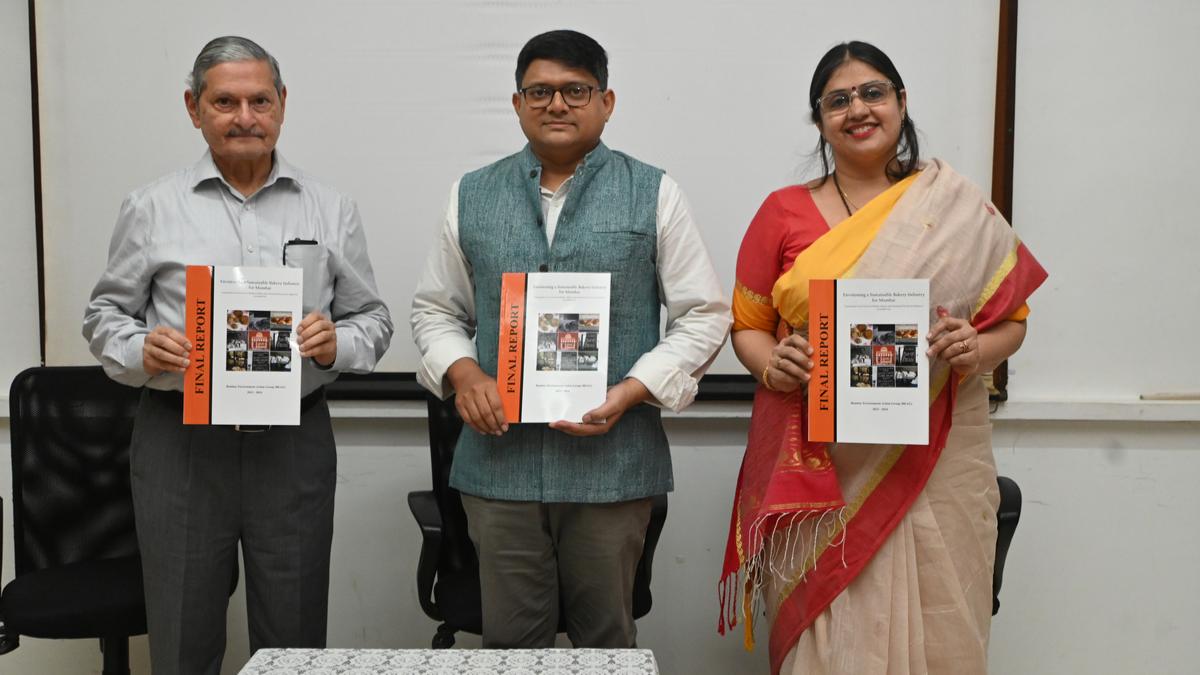
A six-month technical study by the Bombay Environmental Action Group (BEAG) has revealed significant insights into the impact of Mumbai’s bakery sector on air pollution. The report has proposed a roadmap and actionable recommendations for policymakers to facilitate the transition to cleaner fuels.
Surveying over 200 bakeries, the study titled, ‘Envisioning a Sustainable Bakery Industry for Mumbai’ found that most bakeries still use wood-fired ovens, which emit harmful pollutants including particulate matter (PM), methane (CH4), carbon dioxide (CO2), carbon monoxide (CO), and volatile organic compounds (VOCs). These emissions pose severe health risks to Mumbai’s residents, the study said.
Transitioning from wood-fired ovens to cleaner fuels is crucial for improving air quality, safeguarding public health, and ensuring a sustainable future for the city. The study’s recommendations align with the National Clean Air Programme (NCAP) objectives, emphasising the need for regulatory support and collaboration among bakery owners, policymakers, and environmental organisations.
The Mumbai Climate Action Plan (MCAP) by Brihanmumbai Municipal Corporation (BMC) states that there is a mandate for all bakeries to obtain licences to move to cleaner fuels for which the timeframe given is till the year 2027.
The study aimed to investigate fuel usage trends in Mumbai’s bakeries, map their geographical distribution, identify obstacles to adopting cleaner fuels, and propose practical solutions to promote sustainable fuel choices.
Dr. Tuhin Banerji, Project Head of the study, said, “Solid fuel burning is one of the toughest sources of pollution to abate. The bakery sector uses solid fuels from diverse origins. By allocating funds from the National Clean Air Programme and forming partnerships with the private sector, we can provide the technical and financial assistance needed to transition to cleaner fuels. Strengthened regulatory measures will ensure compliance and long-term sustainability.”


For most patients with TB who are severely underweight, nutritional support is an essential and not optional part of treatment

Family of custodial death victims demands harsh punishment for nine convicted policemen to prevent future abuses of power.

Rajinikanth refutes TVK leader's claims about DMK threats preventing his political entry, expressing gratitude to supportive political figures.

CM announces Cabinet Sub-Committee on Musi rejuvenation; rehabilitation for all displaced

Ramanathapuram identifies 145 polling stations as sensitive, ensuring security with paramilitary forces ahead of assembly elections, says DEO.

BJP Puducherry president V. P Ramalingam files nomination for Raj Bhavan, joined by Union Minister Mandaviya and Khushbu Sundar.

History-sheeter 'Thoppai' Ganesh shot dead by police in Chennai after attacking officers during attempted escape.

The government plans to amend the FCRA, introducing new regulations for NGO asset management and accountability for key functionaries.

The draft policy for “Responsible Digital Use Among Students”, released on Monday by the Department of Health and Family Welfare, has recommended that parents set structured routines with clear screen-time rules and prioritise privacy, safety, and open conversation with children on digital well-being.

Police Observer Sushant Kumar Saxena conducts surprise inspection at Shencottai police station, reviewing warrants and security arrangements ahead of elections.

Andhra Pradesh government to launch key projects in April, focusing on industrial growth and infrastructure development, says Nara Lokesh.

Lok Sabha refers the Corporate Laws (Amendment) Bill to a JPC amid opposition concerns over CSR provisions dilution.

SHG members in Kanniyakumari use snakes and ladders to raise election awareness and boost voter turnout.