INTACH organises special lecture on Rashtrakavi Govinda Pai
The Hindu
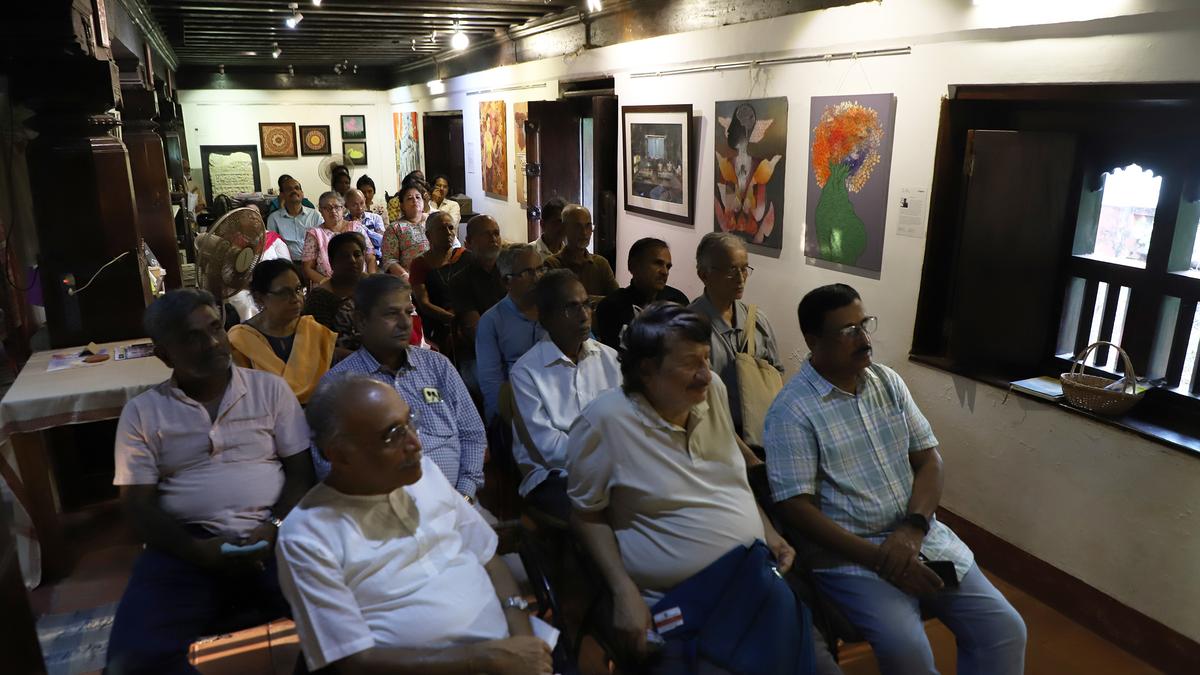
The Mangaluru Chapter of the Indian National Trust for Art and Cultural Heritage (INTACH) organised a special lecture in memory of Rashtrakavi Manjeshwara Govinda Pai on Monday.
The Mangaluru Chapter of the Indian National Trust for Art and Cultural Heritage (INTACH) organised a special lecture in memory of Rashtrakavi Manjeshwara Govinda Pai on Monday.
The programme organised at the Kodialguthu Centre for Art and Culture, Ballalbagh in coordination with Gilivindu of the S. V. Parameshwara Bhatta Institute of Kannada Studies, Mangalore University and Art Kanara Trust coincided with the birth anniversary of the noted poet, scholar and playwright.
A profile picture of Rashtrakavi Late Manjeshwara Govinda Pai | Photo Credit: SPECIAL ARRANGEMENT
Manjeshwar Govinda Pai (1883–1963), recognised as Kannada’s first “Rashtrakavi” (1949), was a noted poet, scholar, and playwright. His celebrated works include Vaishakhi, Golgotha, Gilivindu and Nandadeepa. A polyglot with proficiency in about 22 languages, his scholarship and literary contributions continue to hold enduring relevance in the cultural and intellectual landscape of Karnataka, said a release.
Introducing the theme, programme moderator P. Krishnamoorthy, retired principal of Govinda Dasa College, Surathkal, said, “This region has produced many distinguished literary figures, yet we tend to forget their contributions. Such gatherings to remember celebrated personalities like Rashtrakavi Govinda Pai help keep their legacy alive.”
B. Shivarama Shetty, former Professor of the SVP Institute of Kannada Studies, Mangalore University and founder of Gili Vindu (R) delivered the lecture. Speaking on the breadth of Govinda Pai’s work, he said, “Govinda Pai was a multilingual scholar, deeply engaged with the realities around him. He wrote on themes of religion, harmony, pluralism and peace. His works reflect on the lives and final moments of figures such as Jesus, Krishna, Buddha, and even Mahatma Gandhi. In today’s conflict-ridden world, his ideas remain profoundly relevant.”


Social activists and journalists from Shivamogga, who placed the demand for a strict law to stop honour killings, have thanked the State government for tabling the Bill and getting it passed in both Houses of the legislature with the support of all other parties.

Erode (East) voters prioritize pollution control, traffic solutions, and urban infrastructure as key issues ahead of upcoming elections.

T. Jeevan Reddy resigns from Congress after 42 years, criticizing party leadership and the influence of defectors.

Kanniyakumari Collector inspects vulnerable and sensitive polling stations

Westbrook: Opening Doors to your Child’s Best Start

The Mangaluru Chapter of the Indian National Trust for Art and Cultural Heritage (INTACH) organised a special lecture in memory of Rashtrakavi Manjeshwara Govinda Pai on Monday.

Hyderabad's Buddhavanam will host the World Buddhist Peace Conference 2026, attracting delegates from 22 countries to promote peace.

The Mysuru City Corporation (MCC) has set an ambitious revenue target for 2026-27, projecting significant increases in property tax, trade licences, and non-tax revenues, while setting aside substantial funds for infrastructure, digitisation, and urban development.

NCSC reviews the reservation policy at Kalpakkam's atomic energy units, ensuring effective implementation and addressing concerns with officials.

Shivamogga Deputy Commissioner Prabhulinga Kavalikatti stated that the philosophy of the 12th-century Vachanas has served as a daily guiding principle in his role as an officer.

CM Siddaramaiah says he presented the State Budget at an "auspicious" time, owing to pressure from family and officials.

India's first open-source psychiatric disorders database, CALM-Brain, launched in Bengaluru, aims to enhance understanding and treatment of mental health issues.

Political parties in Tamil Nadu ramp up their election strategies in high-tech war rooms, focusing on youth engagement and real-time responses.