India’s next export frontier: why the country should start exporting trains
The Hindu
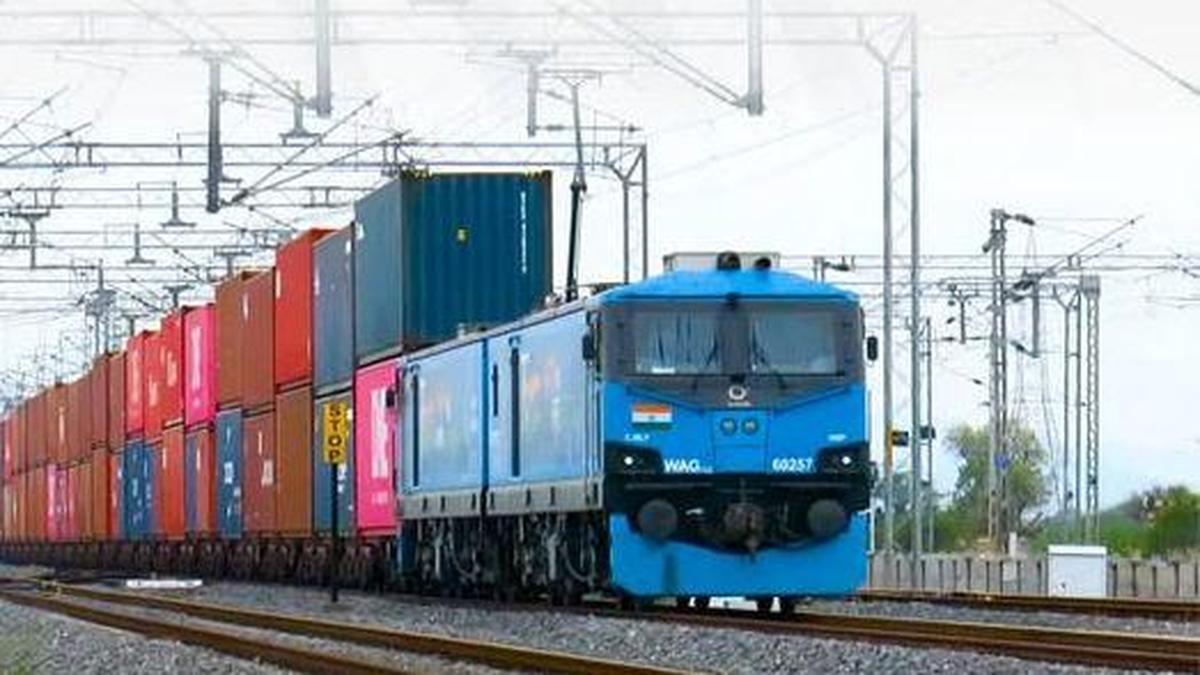
India today manufactures almost every type of railway rolling stock — locomotives, coaches, wagons, metro cars and modern trainsets — in large numbers and at competitive cost. Over decades, the railway manufacturing ecosystem has matured through dedicated Production Units of Indian Railways, PSUs and a large vendor base. Yet, despite this capacity and experience, India remains largely absent from the global market for railway vehicles.
Raj K Mangla
India today manufactures almost every type of railway rolling stock — locomotives, coaches, wagons, metro cars and modern trainsets — in large numbers and at competitive cost. Over decades, the railway manufacturing ecosystem has matured through dedicated Production Units of Indian Railways, PSUs and a large vendor base. Yet, despite this capacity and experience, India remains largely absent from the global market for railway vehicles.
This paradox deserves attention. At a time when the country is aiming to expand its manufacturing exports and position itself as a reliable industrial partner for developing economies, Railway Rolling stocks present a major untapped opportunity.
Across Asia, Africa and Latin America, countries are rapidly expanding rail networks to address urbanisation, energy security and congestion. Many of these nations face the same constraints India faced in earlier decades- limited capital, difficult climatic conditions, heavy passenger loads and mixed-traffic operations. They require reliable and economical solutions rather than the most technologically extravagant ones. This is precisely the segment where India’s experience is most relevant.
Historically, the global railway supply industry has been dominated by a small group of large multinational corporations. Their products are technologically sophisticated but often expensive and maintenance-intensive. For high-income markets this model works well, but for developing and middle-income countries the lifecycle cost and not the purchase price becomes the decisive factor. A train that is cheaper to operate and easier to maintain over 30 years can be more valuable than a more advanced train that requires complex support systems.
India’s railway equipment has evolved under demanding operating conditions- high utilisation, temperature extremes, dust, overloading and diverse track quality. Designs have therefore prioritised robustness, maintainability and operating economy. These characteristics match the needs of emerging railway networks worldwide. In other words, India’s rolling stock is naturally suited to the “Global South” market segment.


BSF team of 36 arrives in Perambalur for election duty, ensuring security for the upcoming Assembly elections.

Two men were killed in an accidental encounter with a wild elephant in Nilgiris, prompting community protests and increased monitoring.

The first phase of the Mananchira-Vellimadukunnu road project in Kozhikode is now open, easing traffic congestion significantly.

BESCOM calls on Bengaluru RWAs to promote rooftop solar adoption under the PM Surya Ghar scheme, boosting local installations.

Opposition leaders consider impeachment motion against Chief Election Commissioner Gyanesh Kumar, following protests over electoral roll issues.

Kerala's daily power consumption exceeds 100 million units for the first time this summer, driven by rising temperatures and imports.

CPI(M) calls for single-phase assembly polls in West Bengal and inclusion of all genuine voters in the electoral rolls.

A 70-year-old man died in Bagepalli after his car caught fire, likely due to a short circuit, trapping him inside.

Bengaluru realtor abducted and murdered near Anekal; investigation reveals contract killing linked to business rivalry.

India today manufactures almost every type of railway rolling stock — locomotives, coaches, wagons, metro cars and modern trainsets — in large numbers and at competitive cost. Over decades, the railway manufacturing ecosystem has matured through dedicated Production Units of Indian Railways, PSUs and a large vendor base. Yet, despite this capacity and experience, India remains largely absent from the global market for railway vehicles.

T.N. physiotherapists welcome salary hike, urging timely payments and benefits for improved home-based care and support services.

Eminent historian K.N. Panikkar, a defender of secular historiography, has passed away, leaving a profound academic legacy.

Protesters demand the arrest of a marriage hall owner for denying venue access to a Scheduled Caste family in Erode.