Closing the skills gap: How inclusive training can transform opportunities for PwDs
The Hindu
Discover how inclusive training can empower people with disabilities, bridging the skills gap and fostering economic independence.
According to the WHO (World Health Organization), an estimated 1.3 billion people nearly 16% of the global population live with some form of disability. In India alone, the count is 26.8 million accounting for 2.21% of the total population. Yet, despite representing millions of untapped potential, PwDs continue to face persistent barriers in education, skill development, and employment, driven by inaccessible environments, social stigma, and policy gaps.
(Sign up for THEdge, The Hindu’s weekly education newsletter.)
As India accelerates toward becoming a technology-driven economy, this exclusion risks creating a deeply unequal workforce; one that is future-ready and globally competitive, and another confined to low-productivity, informal sectors. Bridging this divide is not a matter of welfare, it is an economic and developmental imperative.
The challenge begins early. A report by UNESCO highlights that nearly 240 million children worldwide live with disabilities, yet about 40% of countries lack teacher training for inclusive classrooms. This early exclusion creates foundational gaps in literacy, numeracy, and digital skills, gaps that persist into adulthood.
Additionally, a 2022 study by the Organisation for Economic Co-operation and Development found that adults with disabilities are significantly less likely to participate in lifelong learning and skill development programs, limiting career progression and employability. The result is a structural disconnect, limited access to inclusive education leads to inadequate skills, which in turn restrict access to meaningful employment.
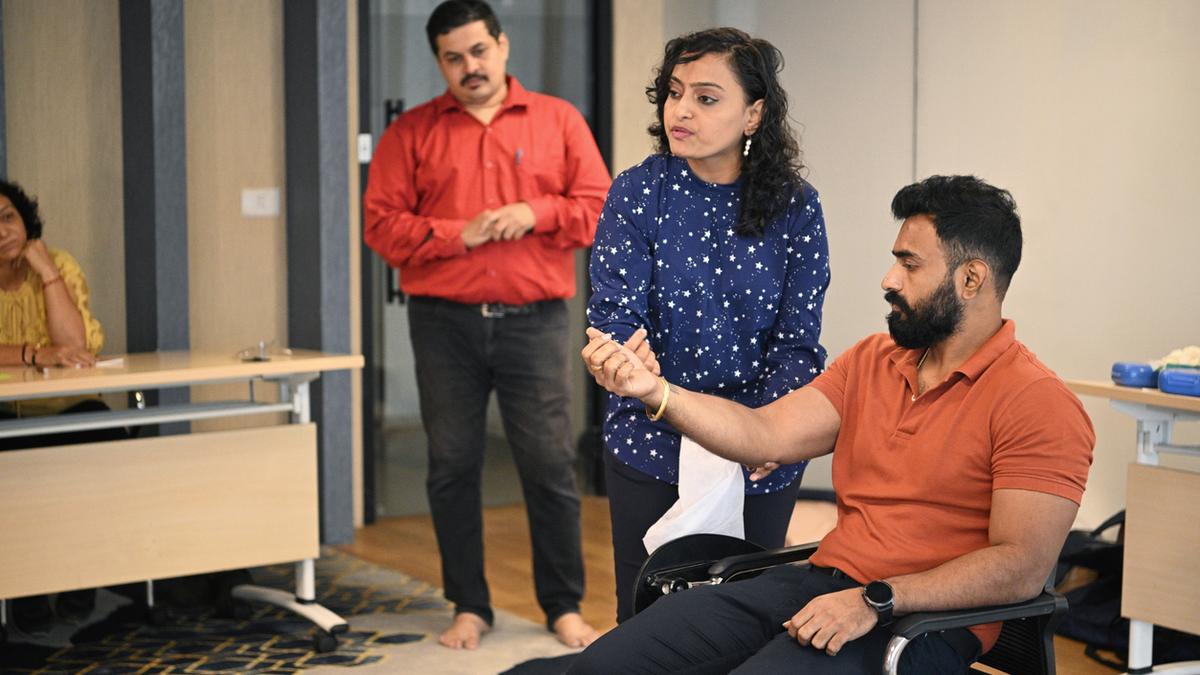
Inclusive digital skills training equips people with disabilities (PwDs) with the tools and competencies needed to participate fully in a digital economy. These programs combine foundational and advanced technology education with accessibility at their core. They typically include:


Parliament Budget Session LIVE updates April 4 2026

Church opposition to the FCRA Bill sparks political turmoil in Kerala, putting the BJP on the defensive ahead of elections.

Maharashtra launches NCMC card scheme for travel concessions to senior citizens, students, and disabled individuals, enhancing public transport access.

Explore insightful interviews with key candidates and leaders as Kerala prepares for the 2026 Assembly elections.

Discover how inclusive training can empower people with disabilities, bridging the skills gap and fostering economic independence.

Three Manipur militants arrested, with over 2300 ammunition rounds and explosives seized during police operations in multiple districts.

The much-awaited first glimpse into Ranbir Kapoor’s Rama from Nitesh Tiwari’s Ramayana was unveiled by the makers on Thursday (April 2, 2026) on the occasion of Hanuman Jayanti.

Delhi HC orders Paramvah Studios to pay ₹25 lakh for unauthorised song use in 'Bachelor Party', including fines for non-compliance.

Omar Abdullah emphasizes that Kashmiri Pandits can only return safely after restoring security and protecting Hindu shrines in J&K.

Residents of Egmore weigh infrastructure improvements against longstanding civic issues as they prepare for the upcoming T.N. Assembly elections.

Union Ministry approves ₹438.29 crore project to redevelop Berth No. 9 of New Mangalore Port for enhanced liquid bulk cargo handling.

PMK's manifesto demands a caste census, cash support for women, and accountability for Tamil Nadu's government amid alleged corruption.

India has 33 crore LPG connections, but domestic natural gas production could cater to 30 crore connections if households switch to piped natural gas (PNG). LPG is delivered in cylinders, while natural gas is transported through pipelines or as LNG and regasified, with PNG emerging as a drop-in replacement for cooking. The government is pushing PNG to reduce high LPG import dependence, but pipeline expansion, last-mile connectivity, and supply constraints remain key challenges.