Why is India pushing piped gas now? | Explained
The Hindu
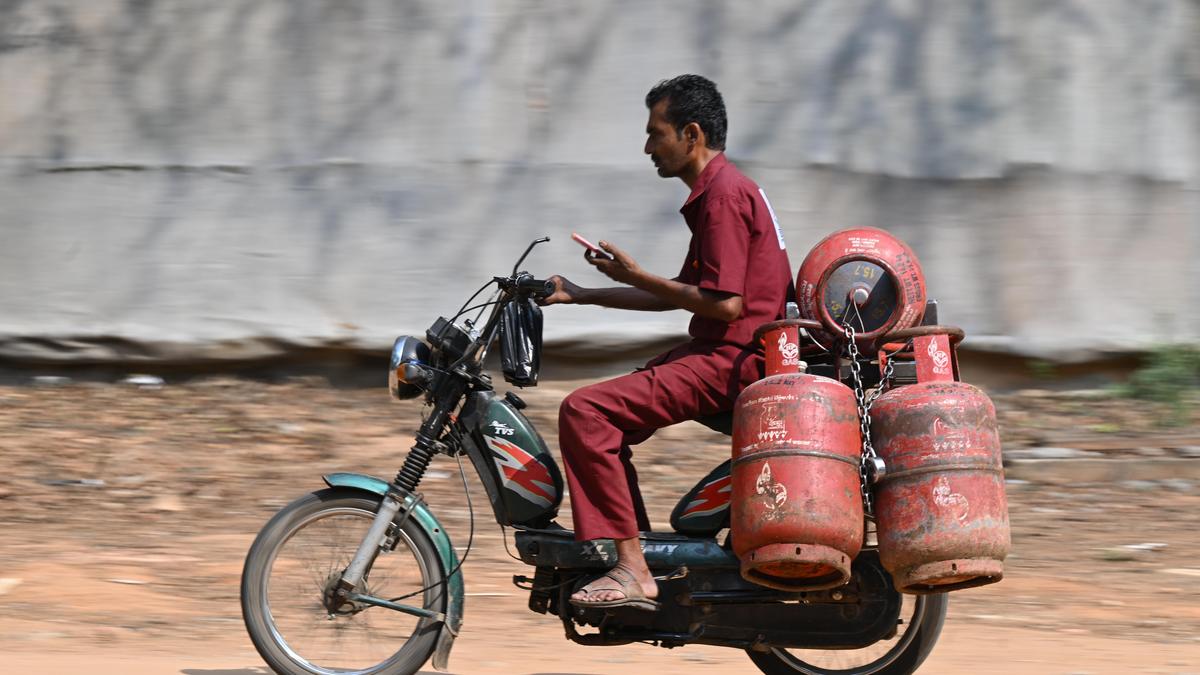
India has 33 crore LPG connections, but domestic natural gas production could cater to 30 crore connections if households switch to piped natural gas (PNG). LPG is delivered in cylinders, while natural gas is transported through pipelines or as LNG and regasified, with PNG emerging as a drop-in replacement for cooking. The government is pushing PNG to reduce high LPG import dependence, but pipeline expansion, last-mile connectivity, and supply constraints remain key challenges.
The story so far:
India has a total of 33 crore LPG connections. Recently, Anjan Kumar Mishra, Secretary at the Petroleum and Natural Gas Regulatory Board, said that domestic natural gas production alone could cater to 30 crore connections if all were to switch to piped natural gas (PNG).
LPG is a co-product of oil refining and natural gas processing. That is, its production depends on the processing of both crude oil and natural gas.
ALSO WATCH Watch | LPG supply to stop where PNG is available: What the new rule means
Liquefied Natural Gas (LNG), as the name suggests, is natural gas that has been cooled to below –160 degrees Celsius to turn it into a liquid for shipping. Liquefaction reduces its volume by 1,000 times.
Compressed Natural Gas (CNG) is primarily used as a vehicular fuel. It involves compressing natural gas to a pressure of 200-250 kg/cm² (g) to reduce its volume and enable efficient distribution.


PMK's manifesto demands a caste census, cash support for women, and accountability for Tamil Nadu's government amid alleged corruption.

India has 33 crore LPG connections, but domestic natural gas production could cater to 30 crore connections if households switch to piped natural gas (PNG). LPG is delivered in cylinders, while natural gas is transported through pipelines or as LNG and regasified, with PNG emerging as a drop-in replacement for cooking. The government is pushing PNG to reduce high LPG import dependence, but pipeline expansion, last-mile connectivity, and supply constraints remain key challenges.

A fire in Bidar kills 45 goats and a 62-year-old man, devastating the local community and prompting an investigation.

India's government offers incentives to foreign companies investing in coal gasification, highlighting its potential and seeking technological collaboration.

Discover how Tank Bund Shiva transforms his tragic past into a life-saving mission at Hyderabad's Hussainsagar lake.

Learn how to self-enumerate for Census 2027 with this step-by-step guide for convenient online data submission.

Congress and farmers criticize M.P. government for delaying wheat procurement, while BJP blames bag shortages on West Asia war.

Iran's President reassures Americans of goodwill, rejecting the portrayal of Iran as a threat in a recent letter.

A 7.4-magnitude earthquake off Indonesia's coast kills one, triggers tsunami warning, later lifted as aftershocks follow.

Samajwadi Party criticizes U.P. Government over IAS officer's resignation, questioning the treatment of efficient officials under BJP rule.

Rajya Sabha approves amendments to the Insolvency and Bankruptcy Code, enhancing investor confidence and strengthening the banking system.

Delhi HC highlights child trafficking crisis, calling the city a 'mandi' and demands police and railways’ response to petition.

Residents of Egmore weigh infrastructure improvements against longstanding civic issues as they prepare for the upcoming T.N. Assembly elections.