Why nurses in Kerala’s private hospitals went on strike | Explained Premium
The Hindu
Nurses in Kerala's private hospitals strike for better wages and working conditions, disrupting critical care services.
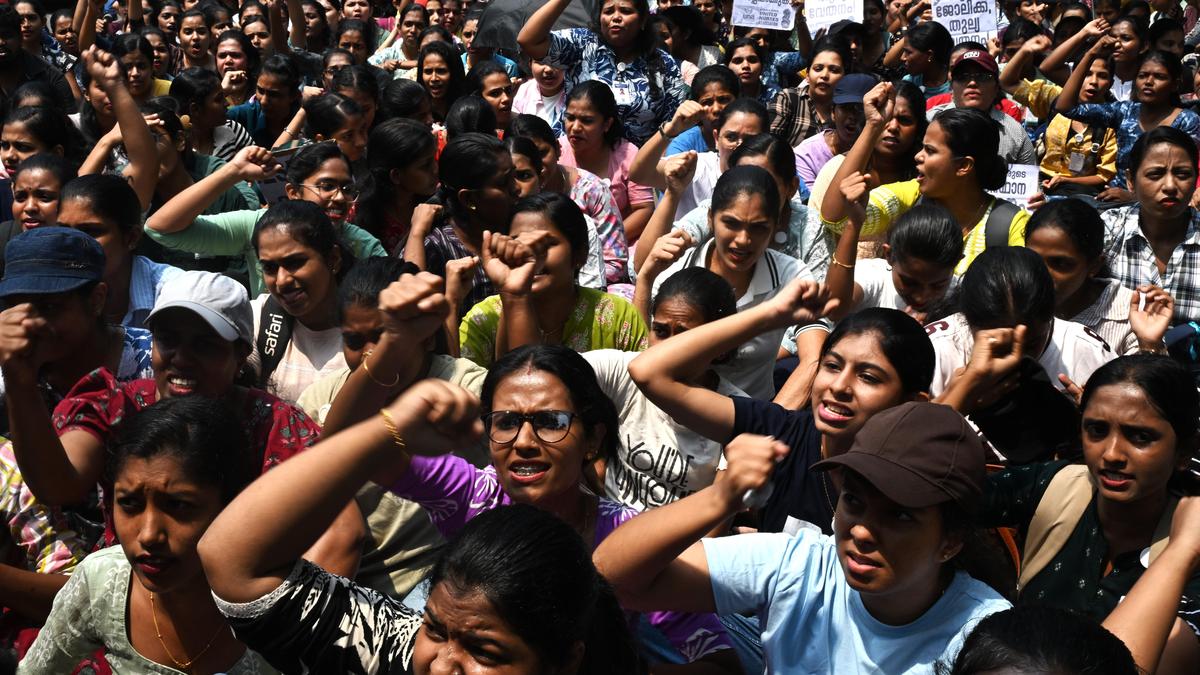
Critical care and emergency care services in some major private hospitals in Kerala were disrupted between March 9 and March 13 after nurses led by the United Nurses Association (UNA) launched an indefinite strike seeking a hike in their wages and other benefits. The agitation has since been temporarily withdrawn after a Kerala High Court directive.
Why were the nurses striking work?
Exhausting working conditions and poor pay packages have been among the concerns raised by nurses in private hospitals in Kerala for years. A change happened in 2012 when a large number of nurses joined hands for fair wages and a decent working atmosphere. The UNA, founded by M. Jasminsha, was at the forefront of those protests. Though “repressive” actions by managements were reported from many places, the nurses came together in most private hospitals to collectively bargain for their rights. The government intervened, expert committees were constituted, and the wages were revised in 2013, and then again in 2018.
The UNA is now demanding another wage revision citing the rise in cost of living and salary disparities, among other things. They claim that while government hospital nurses receive around ₹60,000 a month, including basic pay and allowances, their counterparts in private hospitals are paid less than ₹20,000 for the same work. They also seek a better staffing pattern to reduce workload, better patient-caregiver ratio, and an end to arbitrary lay-offs, allegedly against those involved in the union work. According to UNA members, up to 30% of the nursing staff in major private hospitals are appointed on ‘locum’ (temporary) basis who do not get any benefits or even casual leave or sick leave, leave alone other benefits.
How did the present agitation begin?
The UNA first conducted a token strike in over 400 private hospitals across various districts on February 21 demanding that their monthly basic pay be revised to at least ₹40,000. On March 4, they again went on strike. Thereafter, only one-third of the nursing staff reported for duty in various departments in hospitals. The UNA claimed that the State government had “turned a blind eye” towards their plight. However, on March 8, the government issued a draft notification revising the minimum wages of all classes of employees in the private health sector.


Two men assaulted a 66-year-old woman in Salem; one arrested, police search for the second suspect.

Sullia court sentences traffic offender to 15 days of community service, a ₹3,000 fine, and a 3-month driving ban.

Geoff Keighley has called out the Oscars 2026 for snubbing his dad, David Keighley, in the ‘In Memoriam’ segment. David, who passed away last year, was a game-changer in the world of IMAX

Kerala Waqf Board chairperson advocates for a humanitarian approach to resolve the Munambam land dispute affecting local residents.

LPG tanker accident near Katapady disrupts Mangaluru-Udupi traffic on NH66; following gas leak, alternate routes in place for commuter safety.

Nurses in Kerala's private hospitals strike for better wages and working conditions, disrupting critical care services.

Downhill mountain biking bronze medallist on the thrills of the sport

Fire breaks out in Nellore railway station's ticket office, damaging stationery but no injuries reported; investigation underway.

A living will ensures your treatment preferences are honored, preventing unnecessary suffering and easing family decision-making during critical times.

Supreme Court dismisses charges against Ashoka University professor after Haryana declines prosecution sanction for social media posts.

How indie singer Dikshant turned wedding emotions into a song

Re Sustainability and Indian Oil Join Hands to Create India’s First Integrated Used Oil Circular Economy Ecosystem

Two suspects arrested in Hyderabad for the murder of AR constable Paruvula Sudheer Kumar after a violent altercation.