The economy of outrage: Maths and psychology behind Bollywood's negative PR surge
India Today
As the line between organic backlash and manufactured outrage blurs, Bollywood faces a new era of negative PR. Low-cost memes and algorithmic cycles now shape public perception faster than trailers, leaving actors to navigate a digital landscape where reputation is often engineered.
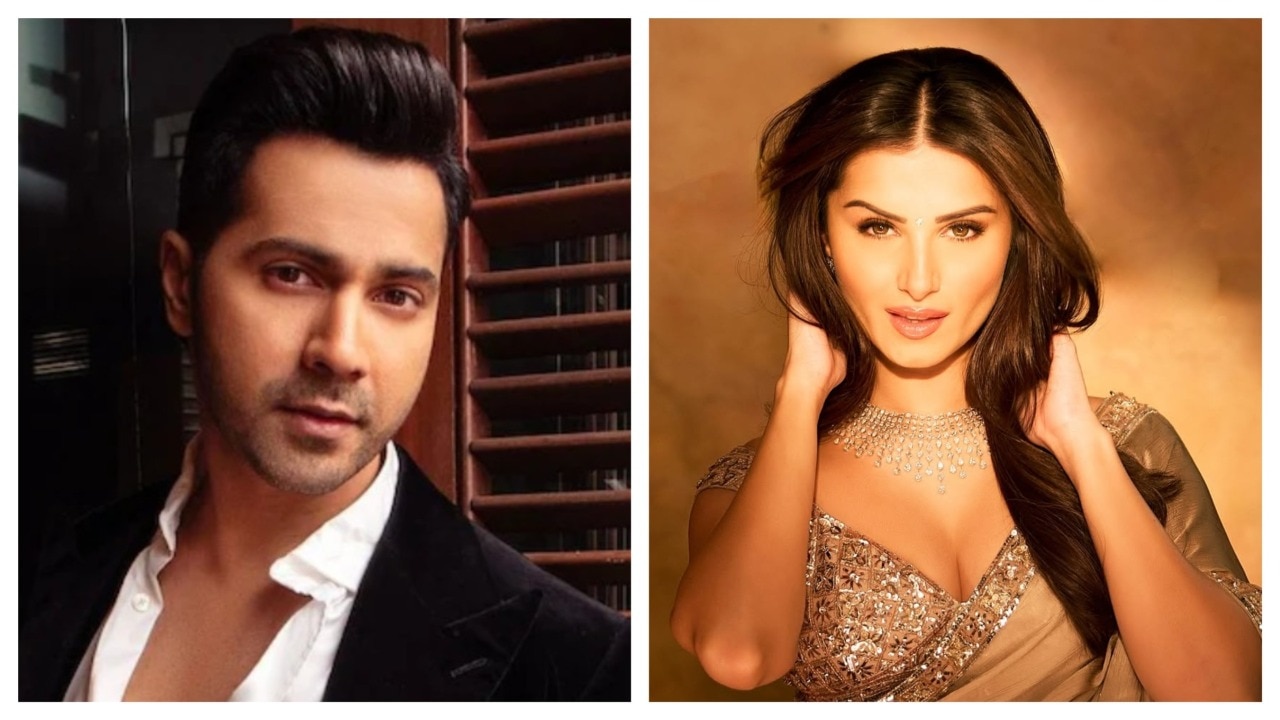
There was a time when Bollywood scandals arrived with planning. A leaked romance would surface just before a release, a dramatic fallout would dominate glossy covers for a week, and even the outrage over it felt curated. The internet didn’t just change that rhythm, it has completely erased it.Today, controversy doesn’t wait for a publicist’s approval or a magazine’s print cycle. A meme appears in the morning, becomes discourse by afternoon, and by evening it has hardened into public perception. Somewhere between fan wars, anonymous troll accounts, rage-bait tweets and suspiciously synchronised meme drops, Bollywood discovered a new publicity language – one where negativity travels faster than any carefully cut trailer.And in recent months, actors like Kartik Aaryan, Varun Dhawan, Tara Sutaria and even Arjun Kapoor found themselves trapped in relentless trolling loops. The nationwide meme-ification has forced the industry to confront an uncomfortable question: is this chaos organic, or is someone quietly engineering the noise? India Today decided to dig deep into the mechanism of negative PR.
Aayush Tiwari, talent manager, Monk Entertainment, doesn’t see this as a conspiracy but a pattern. Sitting with the phenomenon both as an observer of the industry and as a regular audience member scrolling the same timelines as everyone else, he frames negative PR less as a sinister invention and more as the latest social media trend cycle – intense, brief, and always hungry for replacement. “There comes a new trend, people move on, people want some new gossip in life. I see it like short episodes of that, whatever is happening,” he tells us, almost shrugging at the predictability of it all.But what feels routine is also radically different from the past. Earlier, narratives took time to build; now they are assembled in real time. Aayush highlights how seamlessly campaigns, organic or not, now blend into everyday scrolling. He says, "Because social media has become a tight platform. So, a lot of narratives are pushed through memes, people plan their campaigns around it.”
Tara Sutaria hugs and kisses AP Dhillon while her poor bf Veer Pahariya is watching them in audience.If the roles were reversed and Veer was doing this to another girl while Tara watched, the internet would have cancelled him in 5 minutes pic.twitter.com/EPgab74qtK— Chota Don (@choga_don) December 27, 2025
That planning is precisely what makes the present moment unsettling. Because for the average viewer, the line between genuine backlash and manufactured outrage has almost disappeared. By the time anyone pauses to question authenticity, the narrative has already done its damage. “You don't know what part or what PR is actually true or fabricated because once it goes out on the internet, the damage is done by it,” Aayush adds.And damage, in this ecosystem, doesn’t necessarily require massive budgets. In fact, one of the most startling truths insiders quietly acknowledge is just how little money it can take to push something into visibility. Industry experts mention that even a few hundred rupees per post can begin the chain reaction. It sounds absurd in an industry where film promotions burn through crores, but scale on the internet isn’t bought through single grand gestures. It’s pushed into motion through repetition: small nudges that trigger much larger organic waves.Cultural researcher Balram Vishwakarma describes an intricate web of agencies, sub-agencies and what he casually calls “distribution managers” — people whose job is less about publicity in the traditional sense and more about the circulation of narrative. "From bots that inflate visibility to meme pages willing to post for astonishingly small sums, the infrastructure of amplification is both organised and inexpensive. Twitter trends can be nudged into existence for just a few thousand rupees. Fan clubs can be mobilised with modest payments. Entire online fights, especially in the reality-show ecosystem, may not be as spontaneous as they look," he says.
Shraddha was so right when she said it's so difficult to make Varun sad lol people have gone mad trolling him and he is laughing SO CRAZYYY pic.twitter.com/J4FedAnCs4— (@varun_ki_madhu) January 14, 2026
He also straight away dismantles the obvious assumption – that all publicity is good publicity. The digital medium expert also mentions how one negative trend could lead actors and content creators to lose brand and work, especially on the digital medium. He says that in the new economics of fame, the celebrity ecosystem runs as much on endorsements and brand safety as it does on box office: "Sustained negativity doesn’t just hurt feelings; it threatens revenue. Casting rooms grow cautious. Campaigns quietly move elsewhere. The algorithm may reward outrage, but advertisers never do."However, Balram believes certain meme waves, including those that recently engulfed Varun Dhawan, feel less like planted narratives and more like the unpredictable humour of online culture colliding with celebrity image. Actors at the very top, he notes, often accumulate not just fans but dedicated haters, communities built as much on opposition as admiration. In that environment, negativity can sustain itself without a single rupee being spent.


Alia Bhatt praised Ranveer Singh's performance in Dhurandhar: The Revenge, highlighting a powerful moment from the film.

Shilpa Shirodkar returned to Bigg Boss Telugu, calling it a 'full circle moment.' The actor visited as a guest to promote her film 'Jatadhara' and reflected on the show's impact on her life.

Deepika Padukone and Ranveer Singh stepped out for lunch amid the success of Dhurandhar: The Revenge, and a video of fans cheering the Bollywood couple is going viral.

Dhurandhar: The Revenge has received widespread reactions from Bollywood celebrities, highlighting its strong storytelling and performances. Actors like Ayushmann Khurrana, Anupam Kher, Arjun Kapoor, Rajkummar Rao, Rakul Preet Singh and Riteish Deshmukh have praised the film.


Ram Gopal Varma met Aditya Dhar and Yami Gautam, calling them a "power couple" while continuing to praise Dhurandhar: The Revenge.

Praised by Ayushmann Khurrana and Arjun Kapoor, Dhurandhar 2 continues to captivate audiences and film actors alike. Khurrana, in a detailed review, called Ranveer Singh a 'lion'.

Kannada actor-director Rishab Shetty praised Dhurandhar: The Revenge amid the Kantara mimicry row, calling it a powerful and immersive cinematic experience. Telugu star Venkatesh said it takes immense vision to bring Dhurandhar to life.

Karan Johar expressed "Dhurandhar FOMO" as he is yet to watch Dhurandhar: The Revenge. In a social media post, the filmmaker revealed why he hasn't been able to watch the film so far. Read here to know.

The emotional sibling reunion scene between Jaskirat Rangi and Jasleen Rangi in Dhurandhar 2 has won hearts, marking a strong Bollywood debut for Punjabi actor Pari Pandher.

Aditya Dhar doesn't make it easy to watch Dhurandhar: The Revenge. He lets you experience the discomfort, the silence that haunts and the screams that linger longer than you want. But at the centre of it all is India's clear policy: anti-terror, not anti-Pakistan. Consider this your spoiler warning.

Newlyweds Rashmika Mandanna and Vijay Deverakonda are winning hearts with a romantic photo from their Thailand honeymoon. The couple got married in February 2026.

Shah Rukh Khan extended heartfelt Eid greetings to his fans, wishing them peace, joy and prosperity on this festive occasion. He is gearing up for his upcoming film King, set for release in December 2026.