Aditya Dhar's Dhurandhar 2 politics explained: Anti-terror, not anti-Pakistan
India Today
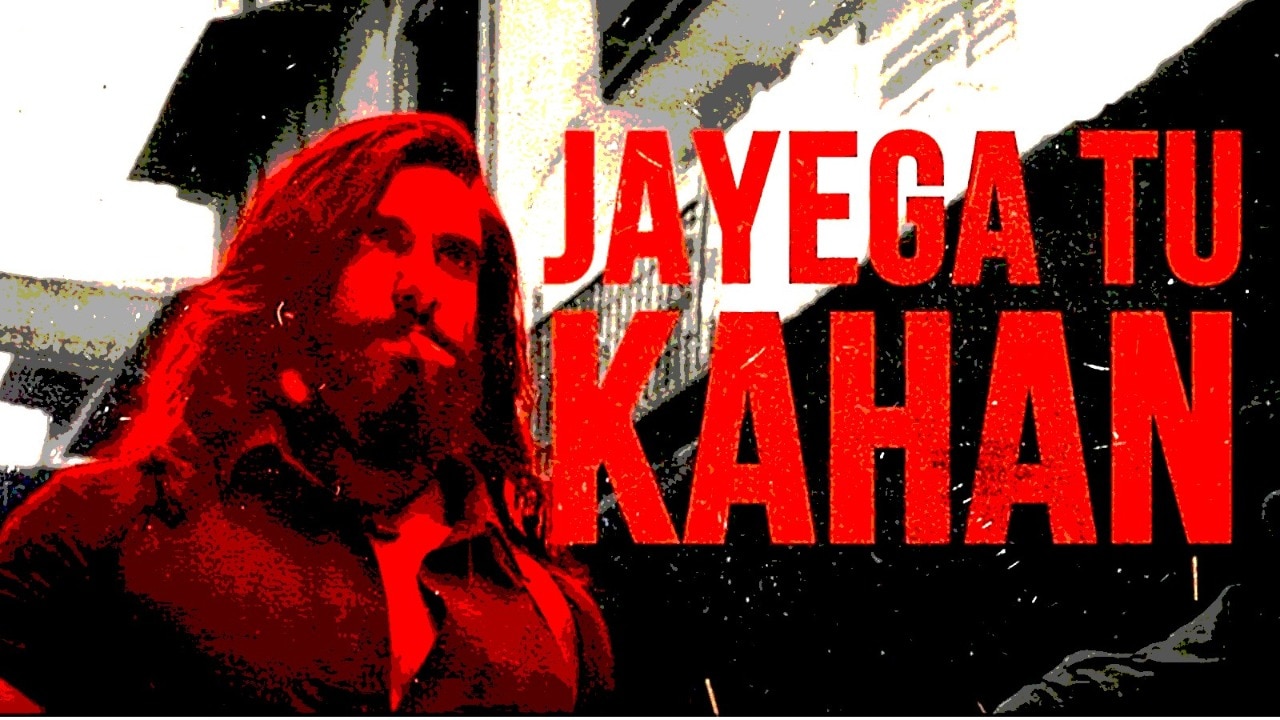
Aditya Dhar doesn't make it easy to watch Dhurandhar: The Revenge. He lets you experience the discomfort, the silence that haunts and the screams that linger longer than you want. But at the centre of it all is India's clear policy: anti-terror, not anti-Pakistan. Consider this your spoiler warning.
Aditya Dhar's Dhurandhar: The Revenge has caught the mood of the nation. It is everywhere: on the streets, in drawing rooms, across social media, in newsrooms, and deep within industry chatter. But why? Is it the sheer scale, the story, the performances, the casting, or the direction? Yes, all of that. But perhaps also something that sits beyond the craft: a messaging that aligns closely with the Indian government's anti-terror doctrine.
Dhar, who has also written the film, dials up the nationalist emotion in this second chapter. If the first Dhurandhar was a playground, The Revenge is the game in motion. It absorbs the government messaging into its bloodstream. The result is cinema that is loud, sharp, unapologetic, and totally unafraid. It is perhaps why many are calling this a new cinematic order.
Dhar has long shown a penchant for painting a certain idea of a "new India". The one that enters enemy territory without hesitation and strikes without apology. He did it in Uri: The Surgical Strike (2019), and he does it again here. But this time, the messaging is more layered. The film, led by Ranveer Singh's Hamza Ali Mazari, keeps underlining India's official position in recent years: India is not against Pakistan, it is against terrorism being birthed, nurtured and polished on its soil.
The same stance of the government became especially pronounced during Operation Sindoor, India's anti-terrorism operation following the Pahalgam terror attack last year. India's Armed Forces, in both tone and language, emphasised, quite clearly, that their fight was not with the Pakistani people or the nation-state in abstract, but with terror networks operating from across the border. Prime Minister Narendra Modi, too, has reiterated the same in his multiple addresses. Dhar takes that calibrated messaging and pushes it into the realm of popular cinema.
Spoiler warning
In one of the film's most emotionally intense moments, Hamza articulates this position clearly to his wife, Yalina (Sara Arjun). He says, in no uncertain terms, that India's fight is with Pakistan-sponsored terrorism, not Pakistan itself. He lists all the terror attacks India has endured as a reminder of decades of violence, and a direct attribution of that violence to systems that nurture and shelter terror groups across the border.


Deepika Padukone attended Rishab Rikhiram Sharma's Mumbai concert, where she was seen enjoying the performance with Ranveer Singh's sister Ritika Bhavnani and mother Anju Bhavnani.

Dhurandhar: The Revenge was set to take a superb opening at the box office simply because of the expectations set by the first part. A major reason why the sequel exceeds these expectations is the emotional depth Jaskirat Singh Rangi's story adds to Hamza's fire.

Rakesh Roshan has praised Dhurandhar: The Revenge, calling it a game-changer and a cinematic milestone that redefines storytelling in Indian cinema.

Ram Charan has praised Dhurandhar 2: The Revenge, calling Aditya Dhar's direction remarkable and Ranveer Singh's performance phenomenal.

Akshay Kumar paid tribute to late actor Chuck Norris, reflecting on how watching the Hollywood legend's "effortless command" on screen profoundly shaped his own martial arts journey.

Dhurandhar 2 created box office history with huge advance bookings and massive footfall on day 1. Trade analysts compare its craze to Sholay and predict a massive weekend.

Rashmika Mandanna and Vijay Deveraonda hosted a young fan and her family at their Hyderabad home. The girl had expressed a wish to attend the couple's wedding in a viral video.

Legendary Hollywood action star of Walker Texas Ranger fame, Chuck Norris, died at the age of 86. He featured in iconic films, such as Lone Wolf McQuade (1983), Code of Silence (1985) and Bruce Lee's The Way of the Dragon (1972).

The trailer for Netflix's Dabba Cartel unveils a gripping crime drama about five women whose dabba business unexpectedly plunges them into the dangerous world of a drug cartel.

Several videos from the Dhurandhar 2 bash have gone viral on social media. Ranveer Singh grooved to the Fa9la song and recreated a slap scene with Saumya Tandon. Ayesha Khan, too, shared behind-the-scenes photos from the party.

In an age of dwindling attention span, Aditya Dhar has achieved the remarkable feat of holding Indian audiences captive for over seven hours across two films. His Dhurandhar series blends history and fiction to create a compelling cinematic universe.

Director Shankar recently watched Dhurandhar: The Revenge and described it as an astounding experience blending real events with fiction. He praised the cast, music, and direction, calling it a historic moment for Indian cinema.

Mani Ratnam has officially announced his next film featuring Vijay Sethupathi and Sai Pallavi, with music by AR Rahman. The project is backed by Lyca Productions and is expected to be a romantic drama.