The dangers of AI animal “slop” videos | Explained Premium
The Hindu
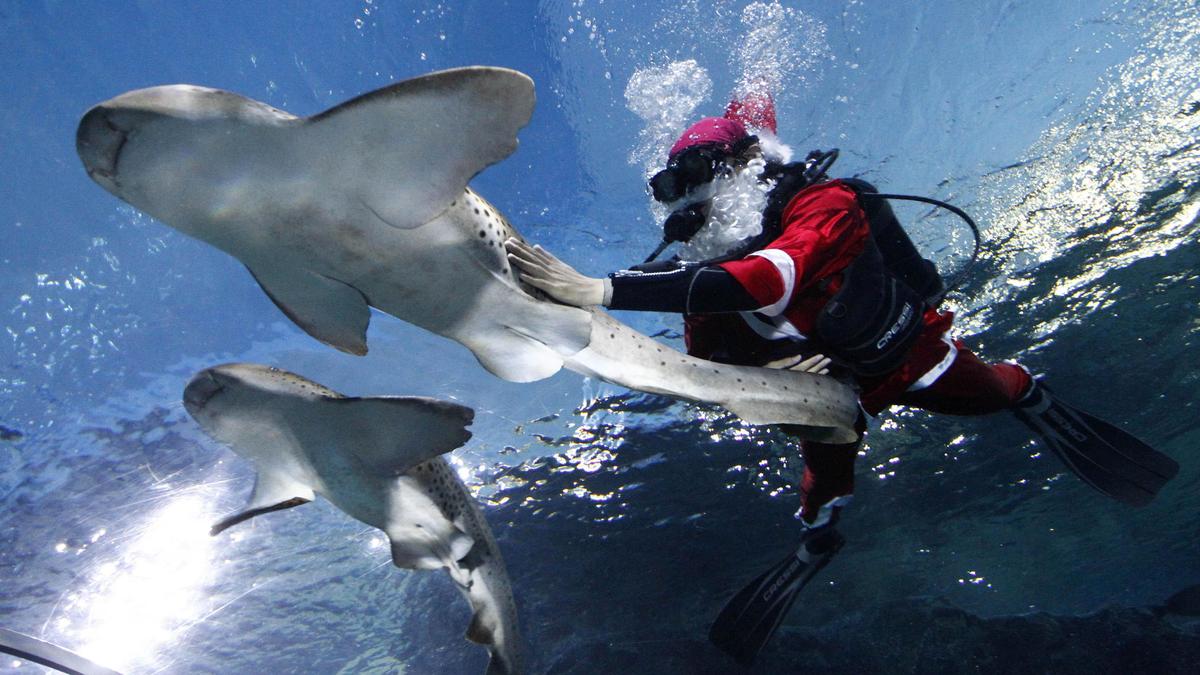
While an AI-generated video of a man taking an underwater selfie with a shark is easy to identify as fake, more realistic Gen AI videos can warp the way we think about wild animals and their behavioural traits
The story so far: Open up Instagram, Meta AI, TikTok, YouTube Shorts, or X on your phone and it won’t be long before you scroll to a short video clip that shows animals and humans sharing a bizarre encounter.
While an AI-generated video of a man taking an underwater selfie with a shark is easy to identify as fake, more realistic Gen AI videos can warp the way we think about wild animals and their behavioural traits, putting both us and them in danger.
This is thanks to a barrage of Generative AI tools that allow users to enter text prompts in everyday language and churn out hyper-realistic videos at scale that can be easily uploaded online. As platforms like Meta pivot to short-form videos in an attempt to surpass TikTok, while X rewards virality and engagement, users are incentivised to make and share more low-cost, low-effort content.
Many AI videos show unrealistic and violent scenarios that could impact the way children perceive and treat animals | Photo Credit: Instagram
As a result, you might have seen gorillas breaking out of zoo enclosures, crocodiles gobbling up their handlers, dying lions surrendering their cubs to humans, fishermen rescuing polar bears, and monkeys dancing with children.
These videos are generally called “AI slop” due to their low-grade entertainment value and short length. Often shared with sensationalised captions or presented as though they are real news events, viewers inevitably waste their time trying to figure out if the content is real or AI generated.


Tamil Nadu Chief Minister M.K. Stalin greets R.N. Ravi on his appointment as West Bengal Governor during a meeting in Raj Bhavan, Chennai.

Rahul Gandhi visits Sivagiri Mutt in Kerala, paying respects to Sree Narayana Guru during his two-day trip.

Madras High Court directs government officials to sensitise on disability rights after unjust job rejection of a qualified applicant.

While an AI-generated video of a man taking an underwater selfie with a shark is easy to identify as fake, more realistic Gen AI videos can warp the way we think about wild animals and their behavioural traits

Government sets wheat procurement target at 30.3 million tonnes for 2026-27, ensuring adequate supply amid record production.

The Iranian ship IRIS Lavan's docking in Kochi sparks public curiosity amid ongoing Israel-Iran tensions and repair uncertainties.

Over five million patients need radiosurgery for brain tumors yearly, but fewer than 10% receive treatment, highlights John R. Adler.

Karnataka's 2026 budget allocates funds to fill 182 tanks in Chikkaballapur and 59 in Hosakote, enhancing irrigation.

Prashanth Vihari inaugurates the vibrant Sanskriti ’26 fest at KITSW

Join the Grape Festival in Rajendranagar on March 7 to explore 59 grape varieties and enhance farming knowledge.

The trailer of Ranveer Singh’s Dhurandhar 2 was unveiled by the makers on Saturday, March 7, 2026. Written and directed by Aditya Dhar, the film also stars Sanjay Dutt, Arjun Rampal, R Madhavan, Akshaye Khanna and Sara Arjun in pivotal roles.

Saudi Defence Minister warns Iran to avoid miscalculation amidst escalating Gulf tensions and recent missile and drone attacks.

Breast cancer cases in India have doubled in 30 years, highlighting treatment access gaps despite advancements, experts warn.