How to transform academic libraries into innovation hubs
The Hindu
How libraries can encourage innovation by lending not just books but also tools
The word ‘library’ immediately brings images of an academic setting with long shelves of books, rows of desks, and an atmosphere of quiet concentration. Libraries are sanctuaries for reading, research and reflection. Despite being integral to campus life, they have seen little structural change, evolving primarily through the addition of new and specialised books.
While this traditional role remains important, it no longer tells the whole story. With ever-growing demands of the market, students are not only expected to understand concepts but also to use them creatively and practically. This shift has pushed universities to rethink where and how learning happens.
An interesting development is the growing role of libraries. Apart from supporting the academic journey, they also support experiential learning. Along with lending books, libraries have now begun lending equipment and technical tools.
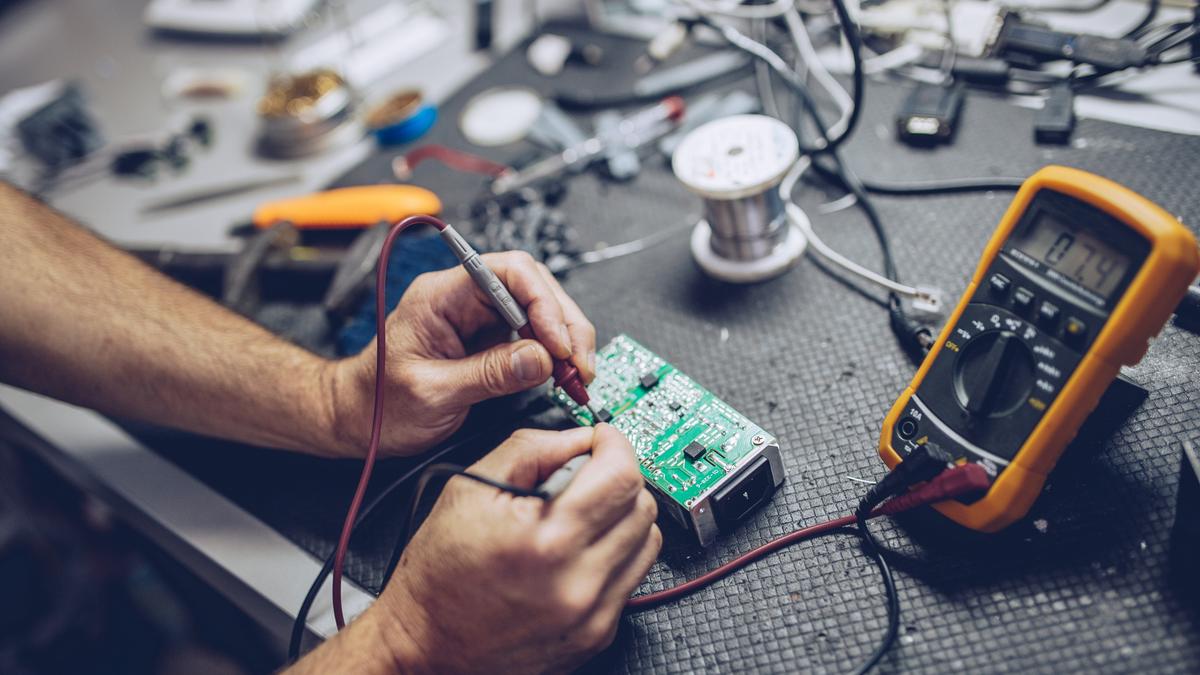
Unlike other major changes that require structure and process, the idea remains simple here. Libraries allow students to borrow electronic components, sensors, basic instruments or prototyping kits. This gives students the freedom to experiment, make mistakes and refine their ideas outside the scheduled laboratory hours. This approach is especially valuable in Engineering, Technology and Applied Sciences, where learning by doing is essential.
Concepts that appear straightforward in lectures often reveal their complexity only when students attempt to implement them. When access to tools is limited to short lab sessions, experimentation can feel rushed and incomplete. By contrast, when students can take equipment with them, learning becomes more flexible and self-paced. They can test ideas late at night, revisit designs multiple times and engage with the problem at hand.
Another important benefit of library-based equipment lending is inclusivity. Not all students can afford personal kits or devices. Even institutions cannot offer unlimited access to laboratories. However, libraries have always functioned on a simple and familiar system. They lend for a specific time frame and hold students accountable in case of loss. This can be extended to the lending of tools and equipment so that students no longer have to worry about spending money on multiple kits or devices to complete their coursework. Their ideas gain the space to develop, they can refine their experiments, try better techniques and understand how innovations work in real life. Libraries also become more than just a quiet study area. Students from different majors can connect share ideas. This is exactly how unique perspectives create tech-led innovations.


Telangana launches ‘Stand With Her’ campaign, promotes women’s safety as a collective responsibility
Telangana's 'Stand With Her' campaign urges youth to champion women's safety, promoting collective responsibility and respect for all.

U.P. Deputy CM Keshav Prasad Maurya's helicopter makes emergency landing in Lucknow due to technical issues shortly after takeoff.

AIADMK to protest on March 13 in Chennai against DMK's neglect of transport workers' demands, led by D. Jayakumar.

Karnataka High Court permits engineering college to terminate faculty due to course closure, mandates ₹40 lakh compensation for professors.

A Kerala man is charged for calling PM Modi a 'traitor' on social media, prompting a police investigation.

Karnataka High Court upholds CBSE's two-year exam debarment of a student for 'inadvertently' carrying a mobile phone into the exam hall.

Calcutta High Court orders release and repatriation of Bangladeshi prisoner, jailed for 21 years since his minor arrest.

MP Su. Venkatesan urges relief for Tamil Nadu's MSMEs impacted by U.S. tariffs, seeking RBI intervention on NPA norms.

A KSRTC bus crash in Eramalloor, Kerala, leaves nearly 40 injured, with 22 hospitalized, some critically.

Telangana's electricity demand peaks at 11,129 MW due to rising temperatures and agricultural usage, surpassing previous records.

Tamil Nadu Chief Minister M.K. Stalin greets R.N. Ravi on his appointment as West Bengal Governor during a meeting in Raj Bhavan, Chennai.

Rahul Gandhi visits Sivagiri Mutt in Kerala, paying respects to Sree Narayana Guru during his two-day trip.

Madras High Court directs government officials to sensitise on disability rights after unjust job rejection of a qualified applicant.