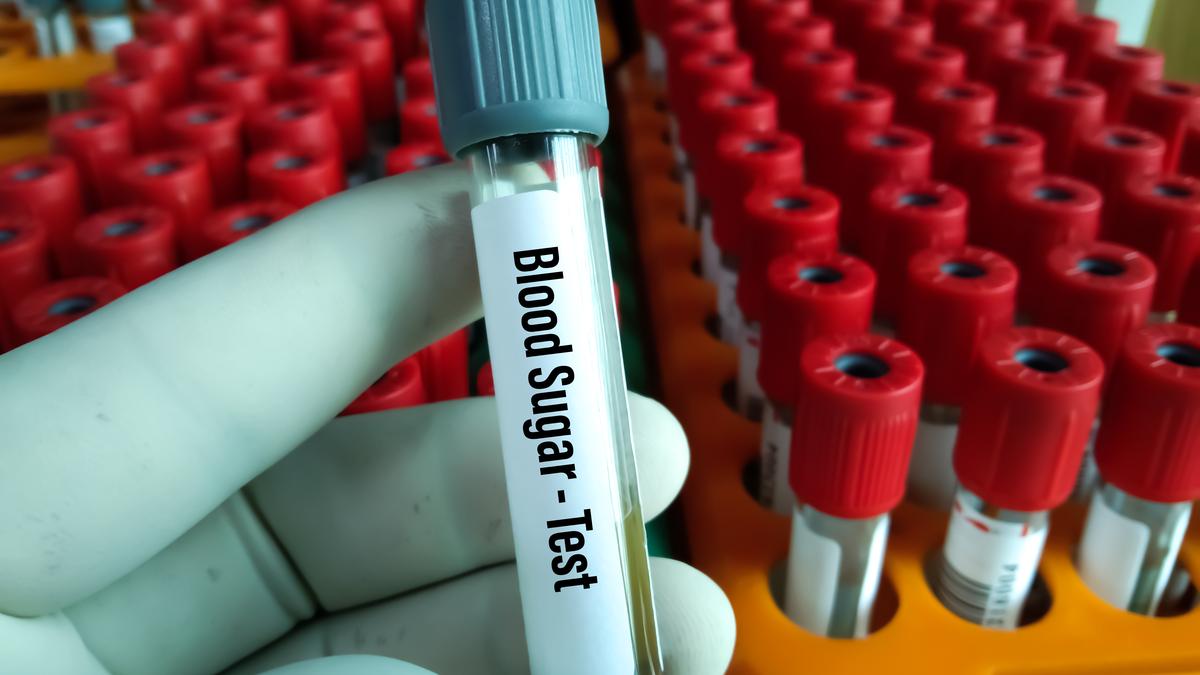
Standard diabetes test glycated haemoglobin (HbA1c) may mislead in diagnosis of type-2 diabetes in India’s population: experts
The Hindu
Experts warn that relying solely on HbA1c for diagnosing type-2 diabetes in India may lead to misleading results.
Standard diabetes test glycated haemoglobin (HbA1c) commonly used to diagnose and monitor type-2 diabetes (T2D) may mislead diagnosis and monitoring in South Asia — particularly India’s population, with the high prevalence of anaemia, haemoglobinopathies (eg: sickle cell disease, thalassaemia), and glucose-6-phosphate dehydrogenase (G6PD) deficiency, noted an article published online in Lancet Regional Health: Southeast Asia.
Led by Anoop Misra, corresponding author and chairman of Fortis C-DOC Centre of Excellence for Diabetes, the review questions reliance on HbA1c as the sole diagnostic or monitoring tool for type-2 diabetes in South Asia.
The article adds that poorly standardised HbA1c assay methods complicate interpretation of HbA1c values. “Overall, reliance solely on HbA1c is constrained by several clinical and biological factors in India. A multiparametric, risk-stratified approach that integrates oral glucose tolerance test, self-monitoring of blood glucose, and whenever possible, continuous glucose monitoring, in addition to relevant hematologic assessments are essential to enhance diagnostic and monitoring accuracy and inform appropriate treatment decisions, especially in primary care and resource-limited settings,’’ said Dr. Misra.
Any condition that affects the quantity, structure, or lifespan of haemoglobin — such as anaemia, haemoglobinopathies, or other red blood cell disorders — can distort HbA1c values and lead to misleading estimates of average blood glucose, the viewpoint article notes.
Shashank Joshi, co-author from Joshi Clinic, Mumbai, explained that in some regions of India, people are nutritionally challenged and have iron-deficiency anaemia, which can distort HbA1c readings.
“This would affect both diagnosis and monitoring thus misleading clinicians. Reliance on HbA1c alone could delay diagnosis by up to four years in men with undetected G6PD deficiency, potentially increasing risk of complications,’’ said Dr. Joshi.


Amid a leadership tussle with Chief Minister Siddaramaiah, Deputy Chief Minister D. K. Shivakumar said that he was travelling to New Delhi to meet party leaders.

Rohit and Kohli downgraded; Gill, Bumrah & Jadeja in top tier of BCCI contracts list

Nellore Collector launches a toll-free helpline for epilepsy patients on International Epilepsy Day to enhance awareness and support.

Delhi Police files FIR over the circulation of ex-Army chief Naravane's unpublished book, causing Lok Sabha disruptions and MP suspensions.

Fog and mist will persist across Tamil Nadu, with winter conditions lasting until mid-February, affecting visibility and temperatures.

Minister Palanivel Thiaga Rajan launches breakfast scheme for sanitation workers in Madurai

Action sought against YSRCP leaders over alleged adulteration of Tirumala laddu

The Kalaignar Centenary facility in Vellore will offer affordable accommodation for patients’ families, enhancing their hospital visit experience.

Bengaluru's GBA uncovers ₹370 crore in property tax evasion using GPS and drone technology across 10,000 properties.

Puducherry Tourism Development Corporation opens a food outlet at Jipmer, offering affordable, hygienic meals for patients and visitors.

DG&IGP issues new guidelines to prevent mechanical FIRs and arrests over social media, ensuring compliance with Supreme Court rulings.

Water provided to wild animals in 100-odd troughs in Coimbatore forests as summer relief

All Party Trade Unions hold a motorcycle rally in Visakhapatnam, demanding the recall of Labour Codes ahead of a general strike.