Sharavathi Hydroelectric Project: The cost of energy transition Premium
The Hindu
Protests against the Sharavathi Pumped Storage Hydroelectric Project in the Western Ghats just got new life
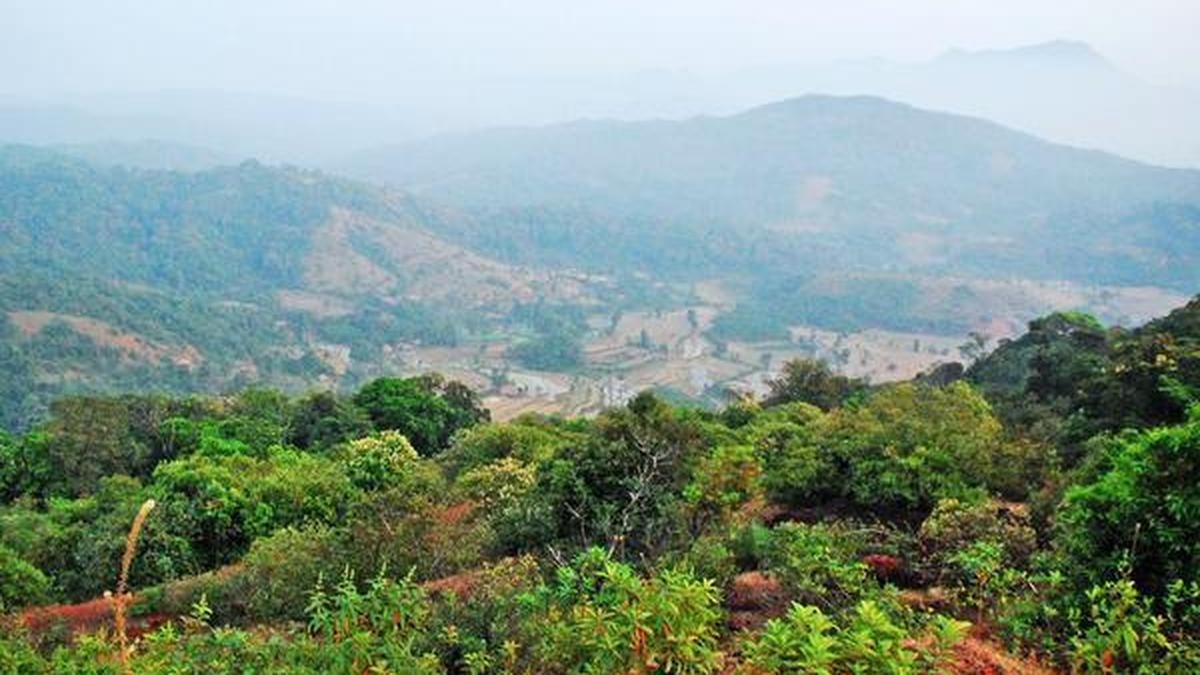
The Karnataka High Court, earlier this month, directed the State government to stop work in the forest area for the Sharavathi Pumped Storage Hydroelectric Project, until further orders. A group of environmentalists had moved the Court, challenging the State Wildlife Board’s approval for the proposed project in the Sharavathi Lion-Tailed Macaque Wildlife Sanctuary which is part of the Western Ghats, and a biodiversity hotspot. The Court’s order boosted the morale of the environmentalists, who have been opposing the project since it was proposed in 2017.
The Karnataka Power Corporation Limited (KPCL) proposed the project in the valley of the Sharavathi river, which flows for about 130 km through the Western Ghats before reaching the Arabian sea. The river is already the State’s primary hydel power source, with four major power stations operating in its valley.
The KPCL aims to generate 2,000 MW through this project to meet peak-hour energy demands, which can touch 18,000 MW daily. The project has been defended on the grounds that the Central Electricity Authority has recommended a transition to clean energy, targeting 50% non-fossil fuel capacity by 2030. Th the cost of the project which was estimated to be around ₹4,800 crore in 2017, has gone up to nearly ₹10,240 crore.
Furthermore, while the project has received the approval of the State Wildlife Board and an in-principle approval from the National Board of Wildlife (NBWL), forest and environmental clearances are still pending.
Sharavati valley project: Meeting growing power demand vs. keeping forests pristine
Sharavati Pumped Storage Project: Forest panel of MoEF defers proposal to divert forest land and decides to wait for site report


Pinarayi Vijayan launches his election campaign in Dharmadam, aiming for a third consecutive term amid tightening competition.

Delhi Speaker Vijender Gupta has written to Lieutenant-Governor Taranjit Singh Sandhu seeking directions to instal audible signals at traffic intersections across the city to ensure the safety of mobility-impaired individuals and senior citizens.

GVMC council concludes its five-year term, highlighting significant development projects and global events that enhanced Visakhapatnam's recognition.

Karnataka SC/ST Commission discusses internal reservation issues amidst confusion over reduced quotas for Scheduled Castes and Tribes.

President Droupadi Murmu serves Akshaya Patra’s 5 billionth meal, highlighting child nutrition and education at Rashtrapati Bhavan.

PM Modi and UAE President agree on ensuring safe navigation through the Strait of Hormuz amid regional tensions.

JNU student leaders face severe repercussions for activism, risking their academic futures amid allegations and online abuse.

India Post launches 24-hour and 48-hour Speed Post services in Bengaluru, ensuring urgent delivery across major metro cities.

A 24-hour control room in Krishnagiri monitors the Model Code of Conduct and manages election-related complaints ahead of polls.

Madurai Collector inaugurates voter awareness campaign

MLC Kishore Kumar Puttur criticizes the State for poor implementation of the Centre's health scheme for senior citizens.

Karnataka's Health Minister announces redeployment of specialists to taluk hospitals to reduce neonatal mortality rates effectively.

Celebrate IPL's start and Polly Umrigar's legacy, reflecting on cricket's evolution and the enduring impact of its pioneers.