Maharashtra Women’s Commission begins work on menstrual leave framework
The Hindu
Maharashtra Women’s Commission initiates drafting of menstrual leave framework, emphasizing women's dignity and equality in the workplace.
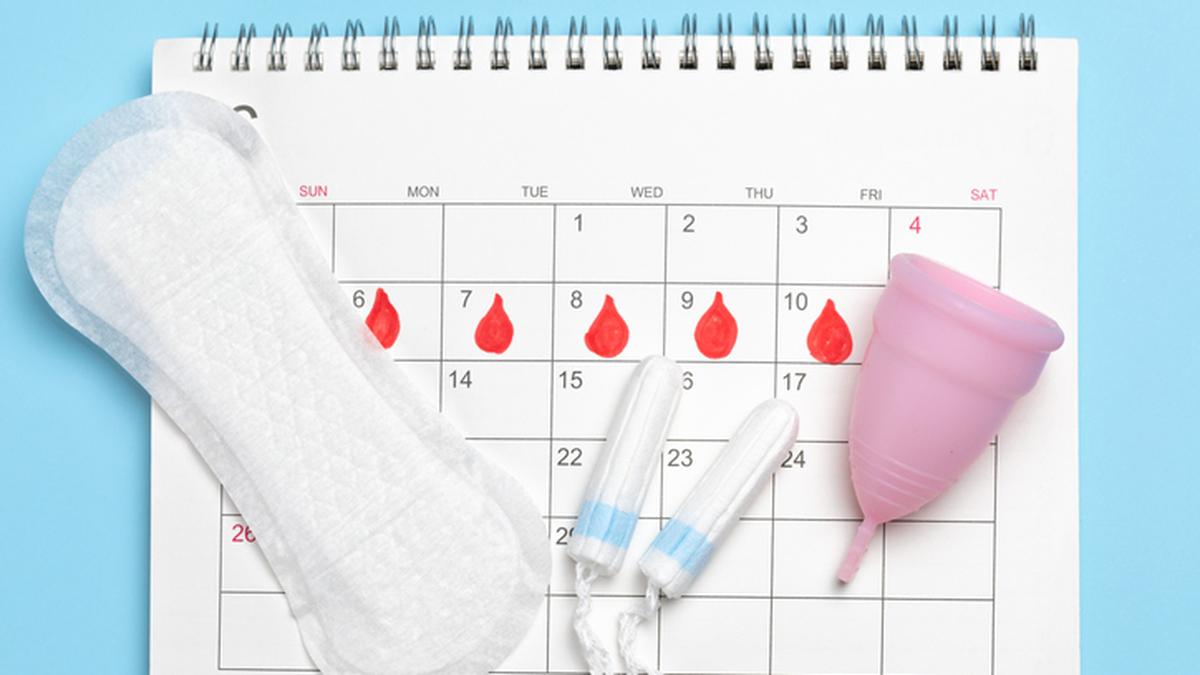
Maharashtra State Commission for Women has started the process to draft a framework for menstrual leave in the State. The move comes within two days after State Health Minister Prakash Abiktar announced that the government was mulling the introduction of menstrual leave for working women. The commission held the first round of discussion with experts from several fields in Mumbai on Friday (February 27, 2026).
“Only one round of talks is not enough. We will soon have another round and a framework will be created. It will be submitted to the State government thereafter,” Rupali Chakankar, chairperson of Maharashtra State Women’s Commission, said on Friday.
She said that a few States and private companies have already taken a lead in the matter. “Bihar was the first State to bring in menstrual leave in 1992. We need to think about whether this leave should be applicable only in government establishments or in other places too. The Women’s Commission has started working for the menstrual rights of the sugarcane cutting labourer women in the past six months,” she said.
Maharashtra Legislative Council chairperson and senior Shiv Sena leader Neelam Gorhe, who has been working on women’s rights for four decades, said it was important to reach a consensus and prepare a “carefully worded” draft that does not discriminate against women or cause more stigma.
“This discussion is not just about menstruation, but about women’s health and hygiene. It is associated with women’s dignity, the availability of resources, (and) the equality she should enjoy. The society gives a mixed response. On one hand, some say it is important. On the other hand, some say that it leads to discrimination as women then prove that they are inferior and need concessions, though they speak of empowerment,” Ms. Chakankar said.
Some speakers expressed apprehension that the policy might lead to discrimination against women and private companies might decide against hiring women. “When maternity leave was increased from three months to six months, many companies thought about their employment policies. At a time when the issue is still a taboo, will women not be employed due to this,” asked advocate Audrey D’Mello from Majlis, an organisation which works for women. She said it is the constitutional right of women, as it can be a part of positive discrimination which comes under the Fundamental Rights under Article 15(3) of the Constitution. This provision empowers the government to make laws for the welfare of women and children.


Deve Gowda reaffirms JD(S)'s commitment to NDA, criticizing Congress and highlighting the party's achievements at a Vijayapura rally.

Shahid Thekkil emphasises timely government support for the differently-abled to ensure their equal societal progress in Mangaluru.

Owaisi condemns Modi's Israel visit, linking Zionism and RSS ideology to hatred, while highlighting Palestinian suffering and injustices.

Copper blade theft from Coimbatore sub-stations raises alarms as rising prices and demand fuel criminal activity.

Chief Minister M.K. Stalin inspects the ₹300-crore Thanthai Periyar Library project in Coimbatore, emphasizing its progress and features.

GVMC's final council meeting scheduled for February 28 will address key civic issues and proposals before the council's term ends.

Kerala aims to be India's first dumpsite-free State in two years, with significant waste management advancements underway.

Hundreds of unemployed youth, including college students, participated in the job fair organised by the Shivamogga district administration and Zilla Panchayat on Friday. The administration invited over 30 companies that offered job opportunities to youth, including those who had failed in SSLC and PUC.

Digital infrastructure is essential for Visakhapatnam's growth, positioning it as a trillion-dollar economy and national AI hub.

Bihar's 'Meri Panchayat' app sees over 3.22 lakh users, enhancing rural transparency and civic engagement in local governance.

Forest department collaborates with fishermen to rescue and conserve endangered Dugongs along the Pudukottai coast.

The Department of Clinical Psychology at the All India Institute of Speech and Hearing (AIISH) organised a national seminar and Continuing Rehabilitation Education (CRE) event on “Current trends and emerging challenges in the assessment and management of specific learning disability (SLD)” here recently. The two-day event brought together leading professionals, academicians, and researchers.

Maharashtra Women’s Commission initiates drafting of menstrual leave framework, emphasizing women's dignity and equality in the workplace.