India is world's second-largest arms importer, but domestic production increasing
India Today
India has emerged as the second-largest importer of major weapons with an 8.2 per cent share of global arms imports, according to the SIPRI data. Only war-torn Ukraine is ahead of India.
India continues to rank among the world’s top arms importers, emerging as the second-largest importer of major weapons with an 8.2 per cent share of global arms imports, according to the latest data released by the Stockholm International Peace Research Institute (SIPRI). Only war-torn Ukraine, with a 9.7 per cent share, imported more weapons globally during the latest assessment period.
Although India continues to modernise its military capabilities amid evolving regional and global security challenges, the latest data also reflect a gradual decline in defence imports and rise in domestic and indigenous production. Between 2019 and 2023, India accounted for around 9.8% of global arms imports, placing it at the top of the list. However, recent assessments show that the share has fallen to about 8.3 per cent.
The SIPRI data also points to changing sourcing patterns of India’s military purchases. While Russia remains the largest supplier, accounting for about 40 per cent of India’s arms imports. Meanwhile, France has emerged as the second-largest supplier with around 29 per cent share.
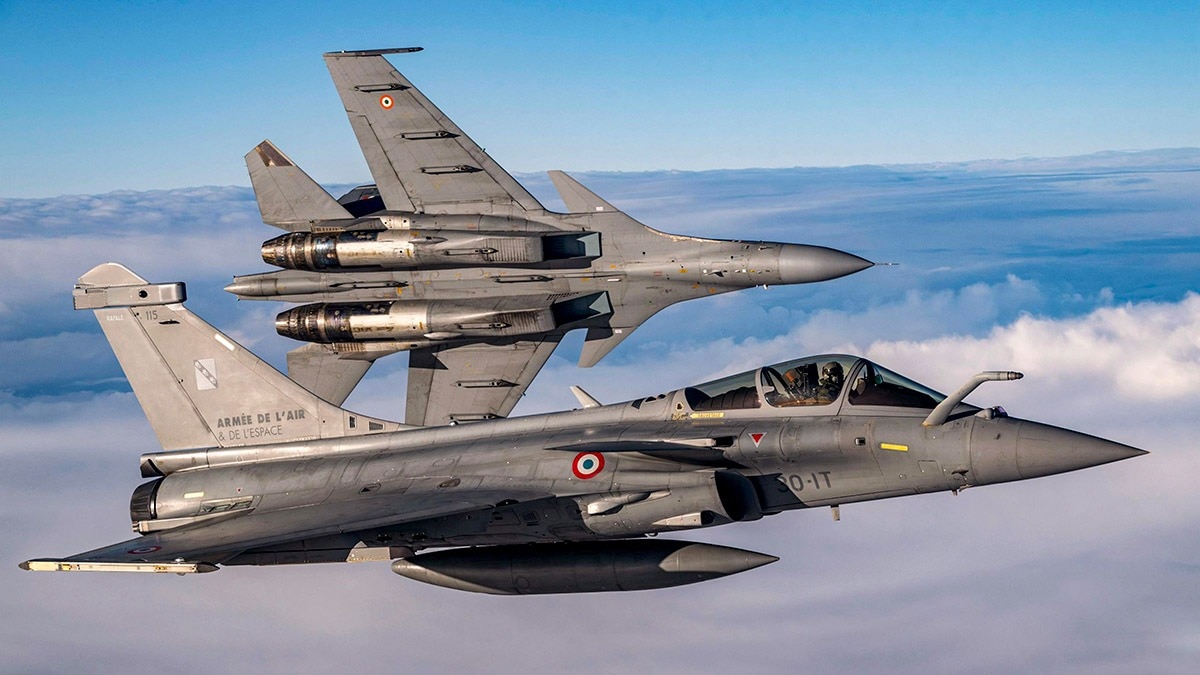
France's rise has been driven by major deals like the acquisition of Rafale fighter jets. With India and France already working on a deal to procure 114 more Rafales for the Indian Air Force, the percentage of defence procurement from France is all set to go up in the near future.
Israel is a distant third, comprising roughly 15 per cent of India's import mix. It is worth noting that India and Israel have ramped up their defence co-operation for missiles, drones and surveillance systems.
The rise of France and Israel in India's import mix has led to Russia losing its pre-dominant position. Previous SIPRI analyses show that Russia’s share of India’s arms imports has been steadily declining from over 70 per cent in the early 2010s, as New Delhi diversified procurement and expanded partnerships with multiple countries.


A woman murdered her husband with the help of her lover and tried to pass it off as death due to natural causes. Her remarriage exposed the murder plot.

India has emerged as the second-largest importer of major weapons with an 8.2 per cent share of global arms imports, according to the SIPRI data. Only war-torn Ukraine is ahead of India.

Sharjeel Imam is among several accused booked in the larger conspiracy case linked to the communal violence that erupted in northeast Delhi in February 2020. The riots had left 53 people dead and over 700 injured.

The Supreme Court asked states to work on framing a policy to provide acid attack survivors with government jobs or necessary alliance.

The Iran war has seen Tehran choking the Strait of Hormuz, one of the busiest routes for oil and gas supplies. This has resulted in panic buying of LPG cylinders in parts of India. What do officials and experts say? Is there an LPG shortage in India?

The clarification comes days after a US submarine sank an Iranian warship in the Indian Ocean off Sri Lanka on March 4, killing at least 87 sailors.

PM Modi is expected to take part in three events in Kochi, the state's largest city and financial centre. He is also expected to address a National Democratic Alliance rally in the evening of March 11.

According to flight tracking data, the aircraft reached close to the airspace near the border of Ethiopia before abruptly turning around mid-flight. The aircraft later re-entered Indian airspace.

The incident took place when the woman went to Gurugram Civil Hospital after being allegedly assaulted by her live-in partner.

Police have arrested Hardik, accused of stabbing his twin sister Himshikha to death and attacking his mother in Uttar Pradesh's Moradabad. During interrogation, he told police he acted in rage after a breakup with a woman he met on Instagram.

Delhi High Court puts on hold adverse remarks against CBI in liquor policy case order

External Affairs Minister S Jaishankar reiterated India's call for restraint and said dialogue and diplomacy must be pursued to de-escalate tensions in West Asia.

Routine checks at restaurants in Hyderabad last November led tax officers to spot discrepancies between customer footfall and lower sales recorded in billing software, prompting a deeper investigation.